
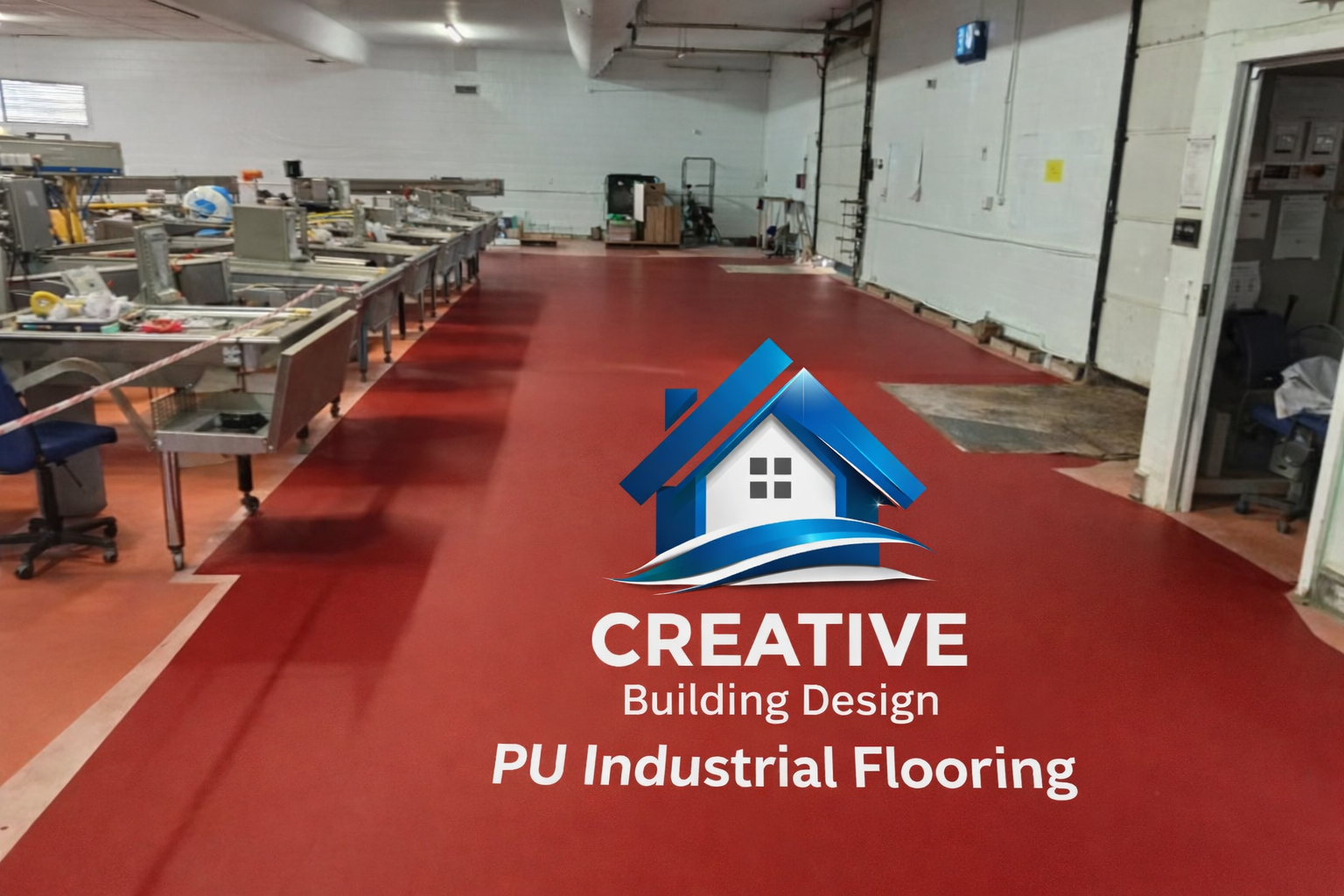
PU industrial flooring refers to polyurethane-based flooring systems designed for heavy-duty environments such as factories, warehouses, food processing plants, and pharmaceutical facilities. It is a seamless, durable, and highly resistant surface that can withstand extreme mechanical, chemical, and thermal stress.
Key Features of PU Industrial Flooring
High Durability
PU flooring is known for its long lifespan and ability to resist wear and tear even under heavy machinery and continuous traffic.
Chemical Resistance
It offers excellent resistance against oils, acids, alkalis, and solvents, making it ideal for industrial environments.
Thermal Shock Resistance
Polyurethane flooring can tolerate sudden temperature changes, including hot water washdowns and cold storage conditions.
Seamless Finish
The flooring system creates a smooth, joint-free surface that prevents dirt, bacteria, and moisture accumulation.
Slip Resistance
PU flooring can be customized with anti-slip textures to improve safety in wet or oily conditions.
Types of PU Industrial Flooring
Self-Leveling PU Flooring
This type provides a smooth and even surface, commonly used in cleanrooms and laboratories.
PU Screed Flooring
A thicker and more robust system designed for heavy-duty industrial applications with high impact resistance.
PU Coating Systems
Thin-layer coatings used for moderate traffic areas where cost-effectiveness is important.
Anti-Static PU Flooring
Specially designed to control static electricity in electronics manufacturing and sensitive environments.
Advantages of PU Industrial Flooring
Long Service Life
PU flooring systems are highly durable and require minimal maintenance over time.
Hygienic Surface
The seamless nature makes it easy to clean and ideal for industries requiring strict hygiene standards.
Flexibility
Unlike epoxy, PU flooring is more flexible, allowing it to absorb impacts and resist cracking.
UV Stability
It performs well in areas exposed to sunlight without discoloration or degradation.
Applications of PU Industrial Flooring
Food and Beverage Industry
Used in processing plants, kitchens, and storage areas due to hygiene and chemical resistance.
Pharmaceutical Industry
Provides a sterile and contamination-free environment.
Manufacturing Units
Ideal for heavy machinery areas where impact and abrasion resistance are required.
Warehouses and Logistics Centers
Handles high traffic from forklifts and heavy loads.
Cold Storage Facilities
Performs well under low temperatures and thermal cycling.
Installation Process of PU Industrial Flooring
Surface Preparation
The concrete substrate is cleaned, repaired, and mechanically prepared to ensure proper adhesion.
Primer Application
A primer is applied to enhance bonding between the substrate and PU system.
Mixing and Application
The polyurethane material is mixed and applied using trowels or rollers depending on the system type.
Curing
The floor is allowed to cure properly to achieve maximum strength and durability.
Maintenance of PU Industrial Flooring
Regular Cleaning
Routine cleaning with appropriate solutions helps maintain hygiene and appearance.
Periodic Inspection
Checking for wear or damage ensures timely repairs and extended lifespan.
Avoid Harsh Chemicals
Although resistant, using compatible cleaning agents preserves the floor’s integrity.
PU Flooring vs Epoxy Flooring
Flexibility
PU flooring is more flexible, reducing the risk of cracks under stress.
Temperature Resistance
PU performs better in extreme temperature variations compared to epoxy.
Application Areas
Epoxy is often used in dry environments, while PU is preferred in wet or temperature-sensitive areas.
Choosing epoxy vs polyurethane industrial floors:
Industrial flooring plays a critical role in durability, safety, and long-term maintenance. Two of the most widely used solutions are epoxy flooring and polyurethane flooring. Each has unique properties that make it suitable for different industrial environments.
What is Epoxy Flooring?
Composition and Structure
Epoxy flooring is a thermosetting resin system made by mixing epoxy resin with a hardener. Once cured, it forms a rigid plastic material that bonds strongly to concrete surfaces.
Key Features of Epoxy Flooring
Epoxy floors are known for their high strength, chemical resistance, and glossy finish. They create a seamless and hard surface that can withstand heavy machinery and traffic.
Common Industrial Applications
Epoxy flooring is commonly used in warehouses, manufacturing plants, automotive workshops, and storage facilities where mechanical strength is essential.
What is Polyurethane Flooring?
Composition and Flexibility
Polyurethane flooring is made from polymer compounds that create a more flexible and elastic surface compared to epoxy. This flexibility allows it to absorb impacts and resist cracking.
Key Features of Polyurethane Flooring
Polyurethane floors are resistant to temperature fluctuations, UV exposure, and abrasion. They also provide better elasticity and noise reduction.
Common Industrial Applications
Polyurethane flooring is ideal for food processing plants, cold storage facilities, pharmaceutical industries, and environments with thermal cycling.
Differences Between Epoxy and Polyurethane Flooring
Durability and Strength
Epoxy flooring offers superior compressive strength, making it ideal for heavy loads. Polyurethane, while strong, excels in flexibility and impact resistance.
Flexibility and Crack Resistance
Polyurethane flooring is more flexible and can handle substrate movement without cracking. Epoxy is more rigid and may crack under stress or temperature changes.
Chemical Resistance
Epoxy flooring provides excellent resistance to chemicals such as acids and solvents. Polyurethane also offers chemical resistance but performs better against organic acids and cleaning agents.
Temperature Resistance
Polyurethane flooring performs better in extreme temperatures and environments with frequent thermal changes. Epoxy may become brittle under such conditions.
UV Stability
Polyurethane flooring is UV stable and does not yellow over time. Epoxy flooring may discolor when exposed to sunlight.
Installation Time
Epoxy flooring typically requires longer curing time. Polyurethane flooring cures faster, allowing quicker return to service.
Advantages of Epoxy Flooring
High Load-Bearing Capacity
Epoxy floors can handle heavy machinery, forklifts, and continuous traffic without damage.
Seamless and Hygienic Surface
The smooth surface prevents dust accumulation and makes cleaning easy, which is important for industrial hygiene.
Cost-Effectiveness
Epoxy flooring is generally more economical for large industrial spaces requiring strong and durable surfaces.
Advantages of Polyurethane Flooring
Thermal Shock Resistance
Polyurethane floors can withstand rapid temperature changes without cracking or delamination.
Flexibility and Comfort
The elastic nature reduces stress on joints and provides better comfort for workers standing for long periods.
UV and Weather Resistance
Polyurethane flooring is suitable for both indoor and outdoor applications due to its resistance to sunlight and weather conditions.
Disadvantages of Epoxy Flooring
Brittleness
Epoxy flooring can become brittle over time, especially in environments with temperature fluctuations.
UV Sensitivity
Exposure to sunlight can cause discoloration and degradation of the surface.
Disadvantages of Polyurethane Flooring
Higher Cost
Polyurethane flooring is generally more expensive than epoxy due to its advanced properties.
Complex Installation
Installation requires skilled professionals and precise conditions for proper curing.
Choosing the Right Flooring for Industrial Use
Consider the Working Environment
If your facility involves heavy machinery and static loads, epoxy flooring is a strong choice. For environments with temperature changes and movement, polyurethane is more suitable.
Evaluate Chemical Exposure
Choose epoxy for harsh chemicals like solvents and acids. Opt for polyurethane in areas exposed to organic acids and frequent cleaning.
Assess Temperature Conditions
Polyurethane is the better option for environments with extreme heat or cold, such as cold storage or food processing units.
Budget and Maintenance
Epoxy flooring is more budget-friendly initially, while polyurethane may offer better long-term performance in demanding conditions.
Polyurethane industrial flooring:
Polyurethane industrial flooring, often called PU flooring, is a high-performance floor coating system made from polyurethane resins. It is designed to create a seamless, durable, and chemical-resistant surface for industrial environments such as factories, warehouses, food processing plants, and pharmaceutical facilities.
Key Characteristics
Polyurethane flooring is known for its flexibility, thermal resistance, and ability to withstand heavy loads. Unlike rigid flooring systems, it can absorb impacts and resist cracking under stress or temperature fluctuations.
Types of Polyurethane Industrial Flooring
PU Coating Systems
Thin-layer polyurethane coatings are applied to protect concrete surfaces from wear, chemicals, and moisture. These are ideal for light to medium-duty industrial areas.
PU Screed Flooring
PU screeds are thicker systems designed for heavy-duty environments. They provide excellent resistance to abrasion, chemicals, and extreme temperatures, making them suitable for food and beverage industries.
Self-Leveling PU Flooring
This type creates a smooth, seamless, and glossy finish. It is often used in areas requiring hygiene and easy cleaning, such as laboratories and clean rooms.
Anti-Static PU Flooring
Specially designed to dissipate static electricity, this flooring is used in electronics manufacturing and sensitive industrial environments.
Benefits of Polyurethane Industrial Flooring
High Durability
Polyurethane flooring can withstand heavy machinery, constant foot traffic, and mechanical stress without significant wear.
Chemical Resistance
It resists oils, solvents, acids, and other harsh chemicals commonly found in industrial settings.
Thermal Shock Resistance
PU flooring performs well under extreme temperature changes, making it ideal for cold storage and hot processing areas.
Seamless and Hygienic Surface
The seamless finish prevents bacteria buildup and makes cleaning easy, which is crucial for food and pharmaceutical industries.
Slip Resistance
Anti-slip additives can be incorporated to enhance safety in wet or oily conditions.
Applications of Polyurethane Industrial Flooring
Manufacturing Plants
Used in heavy industrial zones where machinery and production processes demand strong and resilient flooring.
Food and Beverage Industry
Ideal for hygienic environments due to its seamless and easy-to-clean surface.
Pharmaceutical Facilities
Provides a sterile, chemical-resistant flooring solution.
Warehouses and Logistics Centers
Handles heavy loads from forklifts and storage systems effectively.
Cold Storage and Freezers
Performs well under low temperatures and thermal cycling conditions.
Installation Process of PU Industrial Flooring
Surface Preparation
The concrete substrate must be cleaned, repaired, and mechanically prepared to ensure proper adhesion.
Priming
A primer is applied to enhance bonding between the substrate and the PU system.
Mixing and Application
Polyurethane components are mixed and applied evenly using rollers or trowels, depending on the system.
Curing
The floor is allowed to cure for a specified time to achieve maximum strength and durability.
Maintenance of Polyurethane Industrial Flooring
Regular Cleaning
Routine cleaning with appropriate detergents helps maintain appearance and performance.
Periodic Inspection
Inspect for damage or wear to address issues early and extend the floor’s lifespan.
Repair and Recoating
Damaged areas can be repaired, and recoating can restore the surface when needed.
Polyurethane vs Other Industrial Flooring Systems
PU vs Epoxy Flooring
Polyurethane flooring is more flexible and resistant to temperature changes, while epoxy is harder but more brittle under stress.
PU vs Concrete Flooring
Compared to bare concrete, PU flooring offers superior durability, chemical resistance, and a seamless finish.
Challenges of Polyurethane Industrial Flooring
Higher Initial Cost
PU flooring systems can be more expensive upfront compared to traditional coatings.
Skilled Installation Required
Proper application requires experienced professionals to ensure optimal performance.
What Is Polyurethane Industrial Flooring?
Polyurethane (PU) industrial flooring is a high-performance floor coating system designed to withstand extreme industrial environments. It is made from a combination of resins and hardeners that create a flexible yet highly durable surface. Unlike traditional coatings, polyurethane floors adapt well to temperature changes and mechanical stress, making them ideal for demanding applications.
Key Characteristics of PU Flooring
Polyurethane flooring is known for its elasticity, chemical resistance, and long-lasting performance. It provides a seamless finish that protects concrete substrates while enhancing overall durability. Its ability to resist cracking under thermal expansion makes it particularly useful in industries where temperature fluctuations are common.
Superior Durability and Strength
High Impact Resistance
Polyurethane floors are designed to handle heavy machinery, constant foot traffic, and mechanical loads without showing signs of wear. This makes them perfect for warehouses, factories, and production facilities.
Abrasion Resistance
One of the biggest advantages of PU flooring is its resistance to abrasion. Even in high-traffic environments, the surface remains intact and maintains its appearance over time.
Excellent Chemical Resistance
Protection Against Harsh Chemicals
Industrial environments often involve exposure to chemicals such as acids, alkalis, oils, and solvents. Polyurethane flooring provides excellent resistance, preventing damage and prolonging floor life.
Ideal for Food and Pharmaceutical Industries
PU flooring is widely used in food processing plants and pharmaceutical facilities due to its resistance to chemical spills and cleaning agents.
Thermal Resistance and Flexibility
Withstands Extreme Temperatures
Polyurethane flooring performs well in both high and low temperatures. It can handle thermal shock, such as sudden temperature changes from hot water washdowns or freezing conditions.
Flexible Structure Prevents Cracking
Unlike rigid flooring systems, PU floors have a flexible structure that absorbs impact and movement, reducing the risk of cracks and surface damage.
Hygienic and Easy to Clean
Seamless and Non-Porous Surface
The seamless nature of polyurethane flooring prevents the accumulation of dirt, bacteria, and moisture. This makes it highly hygienic and suitable for clean environments.
Low Maintenance Requirements
PU floors are easy to clean and require minimal maintenance. Regular sweeping and occasional washing are usually enough to keep them in top condition.
Slip Resistance and Safety
Anti-Slip Properties
Polyurethane flooring can be customized with anti-slip textures to reduce the risk of accidents in wet or oily conditions.
Enhances Workplace Safety
By providing a stable and secure walking surface, PU flooring helps improve overall workplace safety and reduces the likelihood of slips and falls.
Fast Installation and Long Service Life
Quick Application Process
Polyurethane flooring systems can often be installed quickly, minimizing downtime in industrial operations.
Long-Term Cost Efficiency
Although the initial installation cost may be higher, the long lifespan and low maintenance requirements make PU flooring a cost-effective solution over time.
Versatility in Industrial Applications
Suitable for Various Industries
Polyurethane flooring is used in a wide range of industries, including manufacturing, food processing, pharmaceuticals, and chemical plants.
Customizable Finishes
PU flooring can be tailored in terms of thickness, texture, and color to meet specific operational requirements.
Environmental and Operational Benefits
Eco-Friendly Options
Many modern polyurethane flooring systems are designed with low VOC emissions, making them environmentally friendly.
Improves Operational Efficiency
With its durability, safety features, and low maintenance, polyurethane flooring supports smoother and more efficient industrial operations.
What is PU Flooring and how does it work?
Understanding PU Flooring
PU flooring, also known as polyurethane flooring, is a seamless floor coating system made from polymer-based materials that create a strong, flexible, and durable surface. It is widely used in industrial, commercial, and residential environments due to its high performance and long-lasting nature. Unlike traditional flooring systems, PU flooring forms a continuous layer that bonds tightly with the concrete substrate, eliminating joints and weak points.
How PU Flooring Works
PU flooring works by chemically reacting its components to form a tough and elastic surface. This reaction creates a coating that is resistant to wear, chemicals, and environmental stress. Its flexibility allows it to absorb impacts and handle thermal expansion better than rigid flooring systems like epoxy.
Key Benefits of PU Flooring
One of the main advantages of PU flooring is its durability. It can withstand heavy loads, frequent traffic, and harsh conditions without cracking or degrading. Additionally, it provides excellent resistance to chemicals such as oils, acids, and solvents, making it ideal for industrial use. PU flooring is also known for its thermal resistance, which allows it to perform well in both hot and cold environments.
Where PU Flooring is Commonly Used
PU flooring is commonly used in factories, warehouses, hospitals, commercial kitchens, parking areas, and even residential spaces. Its versatility makes it suitable for areas that require both strength and aesthetic appeal.
Maintenance and Longevity
Another important aspect of PU flooring is its low maintenance requirement. Since it is seamless and non-porous, it does not trap dirt or bacteria, making cleaning easy and efficient. With proper care, PU flooring can last for many years, making it a cost-effective solution in the long run.
How long does PU flooring last?
Lifespan of PU Flooring
PU flooring is known for its long lifespan, often lasting between 10 to 20 years or more depending on the quality of materials used and the conditions it is exposed to. In industrial environments with heavy machinery and high traffic, the lifespan may vary, but it still performs better than many traditional flooring systems.
Factors Affecting Durability
Several factors influence how long PU flooring lasts. These include the quality of installation, thickness of the coating, type of usage, and level of maintenance. Proper surface preparation and professional installation play a crucial role in ensuring maximum durability.
Importance of Maintenance
Regular cleaning and periodic inspections can help maintain the condition of PU flooring. Avoiding excessive mechanical damage and using appropriate cleaning agents will also contribute to its longevity.
Long-Term Value
Although the initial cost of PU flooring may be higher, its long lifespan and minimal maintenance needs make it a cost-effective investment. Over time, it reduces the need for repairs and replacements, saving both time and money.
Is PU flooring better than epoxy flooring?
Key Differences Between PU and Epoxy
PU flooring and epoxy flooring are both popular choices, but they have different characteristics. PU flooring is more flexible and resistant to temperature changes, while epoxy is harder and more rigid. This makes PU more suitable for environments with thermal fluctuations.
Performance Comparison
PU flooring performs better in areas exposed to heat, chemicals, and heavy impacts. Its elasticity allows it to absorb shocks without cracking, whereas epoxy may become brittle over time. Additionally, PU flooring has better UV resistance, meaning it does not yellow or degrade when exposed to sunlight.
Application Suitability
Epoxy flooring is often used in dry indoor environments where high mechanical strength is required. On the other hand, PU flooring is preferred for industrial kitchens, outdoor areas, and spaces with temperature variations.
Cost vs Value
While epoxy flooring may have a lower upfront cost, PU flooring offers better long-term value due to its durability and reduced maintenance requirements. Choosing between the two depends on the specific needs of the project.
How is PU flooring installed?
Surface Preparation
The installation of PU flooring begins with thorough surface preparation. The concrete substrate must be cleaned, repaired, and leveled to ensure proper adhesion. Any dust, oil, or moisture must be removed before applying the coating.
Priming the Surface
A primer is applied to enhance the bond between the concrete and the PU coating. This step is crucial for ensuring durability and preventing peeling or delamination.
Application of PU Layers
The PU material is mixed and applied in multiple layers, depending on the required thickness and performance. These layers may include a base coat, body coat, and topcoat. Each layer is allowed to cure before the next one is applied.
Curing Process
After application, the floor needs time to cure and harden. The curing time can vary depending on environmental conditions such as temperature and humidity.
Professional Installation
Proper installation by experienced professionals is essential for achieving the best results. Poor installation can lead to issues such as bubbles, uneven surfaces, and reduced lifespan.
Is PU flooring easy to maintain?
Low Maintenance Requirements
PU flooring is designed to be low maintenance, making it an ideal choice for busy environments. Its seamless and non-porous surface prevents dirt, dust, and bacteria from accumulating.
Cleaning Process
Cleaning PU flooring is simple and usually involves regular sweeping and occasional mopping with mild cleaning solutions. For industrial settings, mechanical cleaning equipment can be used.
Long-Term Care
Periodic inspections and minor repairs can help maintain the floor’s appearance and performance. Avoiding harsh chemicals and abrasive tools will also extend its life.
Cost Efficiency
Because of its durability and ease of maintenance, PU flooring reduces overall maintenance costs. This makes it a practical and economical flooring solution for both commercial and industrial use.
Conclusion
PU industrial flooring is a high-performance solution tailored for demanding environments. Its durability, flexibility, and resistance to chemicals and temperature make it a preferred choice across various industries. Proper installation and maintenance ensure long-lasting performance and cost efficiency.
Leave a Reply