
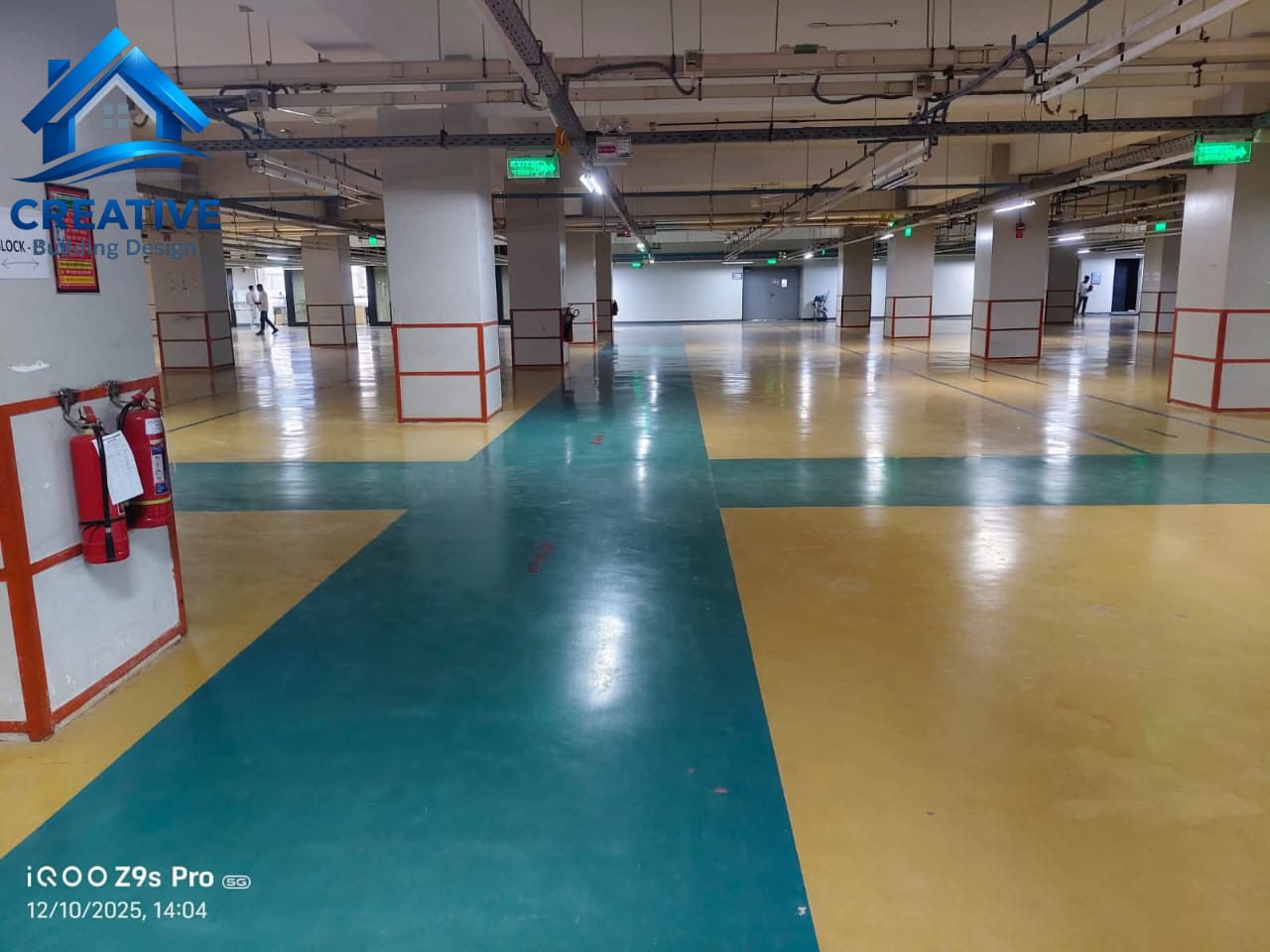
Polyurethane (PU) flooring has become one of the most advanced and reliable flooring solutions in Bangladesh due to its durability, flexibility, and aesthetic appeal. As industries, commercial spaces, and residential projects continue to modernize, the demand for high-performance flooring systems has increased significantly. PU flooring stands out because of its ability to withstand harsh environmental conditions, heavy traffic, and chemical exposure while maintaining a smooth and attractive finish.
In Bangladesh, where humidity, temperature fluctuations, and heavy usage are common challenges, PU flooring provides a long-lasting and practical solution. It is widely used in factories, hospitals, pharmaceuticals, food processing units, warehouses, showrooms, and even modern homes.
What is PU Flooring?
PU flooring refers to a seamless flooring system made from polyurethane resin. It is applied as a liquid coating that cures to form a durable, flexible, and resilient surface. Unlike traditional flooring materials such as tiles or concrete, PU flooring offers a joint-free surface, making it hygienic and easy to maintain.
Key Components of PU Flooring
- Polyurethane resin
- Hardener
- Pigments (for color customization)
- Additives for performance enhancement
How PU Flooring Works
The liquid PU material is poured and spread evenly over a prepared substrate. It chemically reacts and hardens, forming a strong and elastic surface. This elasticity allows the flooring to absorb impacts and resist cracking.
Types of PU Flooring in Bangladesh
PU flooring is available in several types depending on the application and performance requirements.
Self-Leveling PU Flooring
This type creates a smooth, glossy surface and is ideal for commercial and industrial spaces.
PU Screed Flooring
A thicker system designed for heavy-duty industrial environments. It is highly resistant to chemicals and temperature changes.
PU Coating
A thin layer applied over existing floors for protection and aesthetic improvement.
Anti-Slip PU Flooring
Designed for areas where safety is critical, such as kitchens and wet zones.
Decorative PU Flooring
Used in showrooms and residential spaces for aesthetic purposes.
Advantages of PU Flooring
PU flooring offers numerous benefits that make it a preferred choice in Bangladesh.
High Durability
PU floors can withstand heavy loads and high traffic, making them ideal for industrial use.
Chemical Resistance
They resist oils, acids, and other chemicals, making them suitable for factories and laboratories.
Thermal Resistance
PU flooring performs well under temperature fluctuations, unlike epoxy flooring.
Flexibility
The elastic nature of PU helps prevent cracks and damage.
Hygienic Surface
Seamless installation prevents bacteria buildup, making it suitable for hospitals and food industries.
Easy Maintenance
Cleaning is simple due to its smooth and non-porous surface.
PU Flooring vs Epoxy Flooring
Understanding the difference between PU and epoxy flooring is important when choosing the right system.
Flexibility Comparison
PU flooring is more flexible, making it better for environments with temperature variations.
Durability
Both are durable, but PU performs better in extreme conditions.
Chemical Resistance
PU has superior resistance to a wider range of chemicals.
Application Areas
- Epoxy: warehouses, garages
- PU: food processing, pharmaceuticals, cold storage
Application Areas of PU Flooring in Bangladesh
PU flooring is widely used across different sectors in Bangladesh.
Industrial Sector
Factories, manufacturing plants, and warehouses use PU flooring for its strength and resistance.
Commercial Spaces
Shopping malls, showrooms, and offices benefit from its aesthetic and durability.
Healthcare Facilities
Hospitals and clinics prefer PU flooring for hygiene and safety.
Food Industry
Food processing units require seamless, easy-to-clean flooring.
Residential Use
Modern homes use PU flooring for stylish and durable interiors.
Installation Process of PU Flooring
Proper installation is crucial for the performance of PU flooring.
Surface Preparation
- Cleaning the surface
- Removing dust and grease
- Repairing cracks
Priming
A primer is applied to ensure proper bonding.
Mixing and Application
PU materials are mixed and applied evenly.
Curing
The floor is left to cure for a specific time.
Maintenance of PU Flooring
Maintaining PU flooring is simple but essential for longevity.
Regular Cleaning
Use mild detergents and water.
Avoid Harsh Chemicals
Although resistant, prolonged exposure should be avoided.
Periodic Inspection
Check for damage and repair immediately.
Challenges of PU Flooring in Bangladesh
Despite its advantages, PU flooring has some challenges.
Initial Cost
It may be higher compared to traditional flooring.
Skilled Labor Requirement
Proper installation requires experienced professionals.
Environmental Conditions
Humidity can affect installation if not controlled properly.
Future of PU Flooring in Bangladesh
The demand for PU flooring is expected to grow rapidly due to industrial expansion and modern construction trends. As awareness increases, more businesses and homeowners are choosing PU flooring for its long-term benefits.
Water Based Polyurethane for Floors
Introduction
Water based polyurethane is a modern flooring solution known for fast drying and low odor.
Key Features
Eco-Friendly Formula
Uses water instead of harsh chemicals.
Fast Drying Time
Dries quickly, often within a few hours per coat.
Clear Finish
Does not change or yellow the natural color of wood.
Advantages
Safe for Indoor Use
Ideal for homes with children and pets.
Easy Application
Simple to apply and clean up after use.
Limitations
Lower Thickness
May require more coats compared to oil-based versions.
Less Heavy-Duty Strength
Not always ideal for industrial flooring.
Hardwood Floor Polyurethane
Overview
Hardwood floor polyurethane is specially designed to protect wooden flooring while maintaining its natural look.
Importance
Protection from Damage
Shields wood from scratches, moisture, and stains.
Enhances Appearance
Brings out the natural grain and texture of wood.
Types
Oil-Based
- Strong protection
- Warm finish
- Slower drying
Water-Based
- Clear finish
- Quick drying
- Low odor
Floor Polyurethane
What It Is
Floor polyurethane is a protective coating applied to various flooring types to increase strength and durability.
Features
Strong Surface Protection
Creates a tough layer against wear and damage.
Versatile Application
Suitable for wood, concrete, and engineered floors.
Benefits
Long-Term Performance
Extends floor lifespan significantly.
Attractive Finish
Available in matte, satin, and glossy options.
How to Apply Polyurethane to Hardwood Floors?
Step 1: Surface Preparation
Cleaning
Remove all dust, dirt, and old coatings.
Sanding
Smooth the surface to ensure proper adhesion.
Step 2: Choosing the Right Product
Water-Based Option
Best for fast drying and natural appearance.
Oil-Based Option
Best for durability and rich color.
Step 3: Application Process
First Coat
Apply a thin, even layer using a brush or applicator.
Drying Time
Allow proper drying before applying the next coat.
Step 4: Sanding Between Coats
Light Sanding
Helps improve bonding between layers.
Step 5: Additional Coats
Reapplication
Apply multiple coats for better protection.
How Many Coats of Polyurethane for Hardwood Floors?
General Recommendation
Most hardwood floors require 2 to 4 coats depending on usage.
Factors Affecting Number of Coats
Traffic Level
High-traffic areas require more coats.
Type of Polyurethane
Water-based usually needs more layers than oil-based.
Residential Use
Standard Homes
2 to 3 coats are usually sufficient.
Commercial Use
Offices and Shops
3 to 4 coats are recommended for durability.
Importance of Multiple Coats
Stronger Protection
Each coat adds durability and resistance.
Longer Lifespan
More coats ensure long-lasting flooring performance.
About Us
Creative Epoxy BD is a leading provider of advanced flooring solutions in Bangladesh, specializing in PU and epoxy flooring systems. With years of experience in the industry, the company delivers high-quality flooring services tailored to industrial, commercial, and residential needs. Their team of skilled professionals ensures proper installation, durability, and customer satisfaction in every project.
If you are looking for the best PU flooring in Bangladesh, the market is full of reliable industrial flooring companies offering high-quality polyurethane (PU) solutions for factories, hospitals, warehouses, and commercial spaces. PU flooring has become a top choice due to its durability, flexibility, chemical resistance, and hygienic properties, making it ideal for Bangladesh’s industrial and environmental conditions.
Below is a clear guide to help you understand the top PU flooring companies and solutions in Bangladesh.
What Makes a PU Flooring “Best” in Bangladesh?
High Durability
The best PU flooring must withstand heavy traffic, machinery, and impact.
Chemical Resistance
Important for factories, labs, and food industries.
Hygienic & Seamless Surface
No joints mean no bacteria or dust accumulation.
Temperature Resistance
Essential for Bangladesh’s hot and humid climate.
Long Lifespan
Quality PU flooring can last 10–20 years with proper maintenance.
Best PU Flooring Choice by Use Case
Industrial Use
- Fountech
- FLOORX
- Falcon Solution
Food & Pharma Industry
- Ducon (Ducrete MF)
- FLOORX
Commercial & Decorative Use
- Falcon Solution
- Expotech BD
Why PU Flooring is Popular in Bangladesh
PU flooring is becoming more popular in Bangladesh because:
- Rapid industrial growth
- Expansion of pharmaceutical and food industries
- Demand for hygienic flooring
- Need for chemical-resistant factory floors
- Long-term cost efficiency
How Many Coats of Polyurethane on Floor?
Understanding Polyurethane Floor Coating
What is Polyurethane Used for on Floors?
Polyurethane is a protective finishing layer applied to wooden and sometimes concrete floors to enhance durability, shine, and resistance against scratches, moisture, and daily wear. It is commonly used on hardwood floors to extend lifespan and maintain a polished appearance.
Why Coating Layers Matter
The number of coats directly affects how strong and long-lasting the floor finish will be. Too few coats may result in weak protection, while too many can cause uneven texture or extended drying issues. Proper layering ensures balance between durability and appearance.
Standard Number of Polyurethane Coats for Floors
Recommended Coats for New Floors
For most new hardwood floors, the standard recommendation is:
- 2 to 3 coats of polyurethane for water-based products
- 3 to 4 coats for oil-based products
New wood absorbs more finish, so multiple coats are necessary to create a strong protective layer.
Recommended Coats for Refinished Floors
When refinishing existing floors, fewer coats may be needed:
- 2 to 3 coats are usually sufficient
Because the surface has already been sealed previously, it does not absorb as much product.
Difference Between Water-Based and Oil-Based Polyurethane
Water-based polyurethane:
- Dries faster
- Requires more coats for durability
- Produces a clear finish
Oil-based polyurethane:
- Dries slower
- Provides thicker protection per coat
- Slight amber tone over time
Factors That Affect Number of Coats
Type of Wood Surface
Softwoods like pine absorb more polyurethane and may require extra coats compared to hardwoods like oak or maple.
Floor Usage Level
High-traffic areas such as hallways, living rooms, or commercial spaces may need an additional protective coat for long-term durability.
Application Method
- Brush application may require more coats for even coverage
- Roller or applicator pad ensures smoother finish with standard coat count
- Spray application can sometimes reduce required layers due to uniform spread
Environmental Conditions
Humidity, temperature, and airflow can affect drying time and finish quality, which may influence how many coats are ideal.
Step-by-Step Coating Process
Surface Preparation
- Sand the floor properly
- Remove dust and debris
- Ensure surface is completely clean and dry
First Coat Application
The first coat acts as a sealer. It penetrates the wood and creates a base layer for additional coats.
Sanding Between Coats
Light sanding between coats ensures:
- Better adhesion
- Smooth surface
- Removal of dust particles or bubbles
Final Coats Application
The final 1–2 coats provide:
- Maximum protection
- Gloss or satin finish
- Long-lasting durability
Common Mistakes to Avoid
Applying Too Few Coats
This results in weak protection, leading to scratches and early wear.
Over-Applying Coats
Too many coats can cause:
- Cloudy finish
- Peeling over time
- Uneven surface texture
Skipping Dry Time
Not allowing proper drying between coats can trap moisture and reduce finish quality.
How to Apply Polyurethane to Floors?
Preparation Before Applying Polyurethane
Clean the Floor Surface
Before applying polyurethane, make sure the floor is completely clean. Remove dust, dirt, grease, and old coatings. A vacuum and damp mop can help ensure a smooth surface.
Repair Any Damage
Fill cracks, holes, or uneven areas using wood filler or appropriate repair materials. A smooth base ensures an even polyurethane finish.
Sand the Floor Properly
Sanding is essential for proper adhesion. Use medium to fine-grit sandpaper to remove the old finish and create a smooth surface. After sanding, clean all dust thoroughly.
Ensure Proper Ventilation
Open windows and ensure good airflow in the area. Polyurethane emits strong fumes during application and drying.
Choosing the Right Polyurethane
Water-Based Polyurethane
Dries faster, has low odor, and gives a clear finish that does not yellow over time.
Oil-Based Polyurethane
More durable and provides a warm amber tone, but takes longer to dry and has a stronger smell.
Applying Polyurethane on Floors
Step 1: Stir the Polyurethane Properly
Do not shake the can. Stir gently to avoid air bubbles that can affect the finish.
Step 2: Apply the First Coat
Use a high-quality brush, roller, or applicator pad. Apply a thin, even layer following the wood grain or floor direction.
Step 3: Allow Drying Time
Let the first coat dry completely. Drying time depends on the product type and environmental conditions.
Step 4: Sand Lightly Between Coats
Once dry, lightly sand the surface with fine-grit sandpaper to remove imperfections and improve adhesion.
Step 5: Clean Dust Again
Remove all sanding dust using a vacuum or microfiber cloth before applying the next coat.
Step 6: Apply Additional Coats
Apply 2 to 4 coats depending on durability needs. Each coat should be thin and even.
Drying and Curing Process
Initial Drying
The surface may feel dry within hours, but avoid walking on it during this period.
Full Curing Time
Full curing can take several days. Avoid heavy furniture or rugs until the coating fully hardens.
Maintenance After Application
Regular Cleaning
Use a soft broom or damp mop to clean the floor. Avoid harsh chemicals.
Avoid Scratches
Use furniture pads to prevent scratches and maintain the finish.
Recoating When Needed
Over time, apply a fresh coat to restore shine and protection.
How to apply polyurethane to wood floors?
Preparing the Wood Floor for Polyurethane Application
Clean the Surface Thoroughly
Before applying polyurethane, make sure the wood floor is completely clean. Remove dust, dirt, and debris using a vacuum or broom. Follow up with a damp mop to eliminate fine particles. Any dirt left behind can get trapped in the finish and affect the final look.
Sand the Floor Properly
Sanding is essential to create a smooth and even surface. Use a drum sander or orbital sander for large areas and hand sanders for corners. Start with medium-grit sandpaper and finish with fine-grit for a polished surface. This step also helps the polyurethane adhere better.
Remove Dust After Sanding
After sanding, thoroughly clean the floor again. Use a vacuum and a tack cloth to remove all dust. Even tiny dust particles can ruin the smoothness of the polyurethane coat.
Choosing the Right Polyurethane
Oil-Based vs Water-Based Polyurethane
Oil-based polyurethane provides a warm amber tone and is highly durable, but it takes longer to dry. Water-based polyurethane dries faster, has low odor, and maintains the natural color of the wood. Choose based on your preference and project needs.
Select the Appropriate Finish
Polyurethane comes in different finishes such as gloss, semi-gloss, satin, and matte. Gloss offers a shiny look, while satin and matte provide a more natural appearance.
Applying the First Coat of Polyurethane
Use the Right Tools
Apply polyurethane using a high-quality brush, foam brush, or lambswool applicator. Using the right tool ensures even coverage and minimizes streaks or bubbles.
Apply Thin and Even Coats
Start applying along the grain of the wood. Use long, smooth strokes and avoid overloading the applicator. Thin coats dry more evenly and reduce the risk of bubbles.
Allow Proper Drying Time
Let the first coat dry completely according to the manufacturer’s instructions. This usually takes several hours for water-based and longer for oil-based polyurethane.
Sanding Between Coats
Lightly Sand the Surface
After the first coat dries, lightly sand the surface using fine-grit sandpaper (around 220 grit). This helps remove imperfections and prepares the surface for the next coat.
Clean the Floor Again
Remove all sanding dust using a vacuum and tack cloth. A clean surface ensures the next coat adheres properly.
Applying Additional Coats
Apply Multiple Coats
Apply at least two to three coats of polyurethane for durability. Repeat the same process: apply thin coats, allow drying, and lightly sand between each layer.
Maintain Consistent Application
Always follow the grain and keep your strokes consistent. Avoid stopping in the middle of a section to prevent visible lines.
Final Drying and Curing
Allow the Floor to Cure
After the final coat, allow the floor to cure fully. While it may feel dry within a day, full curing can take several days. Avoid heavy furniture or foot traffic during this time.
Ensure Proper Ventilation
Keep the room well-ventilated during drying and curing. This helps the polyurethane set properly and reduces odor, especially for oil-based products.
Maintenance After Application
Avoid Early Use
Do not place rugs or heavy furniture immediately after finishing. Give the surface enough time to harden completely.
Clean Gently
Use a soft mop or cloth for cleaning. Avoid harsh chemicals that can damage the polyurethane finish.
Regular Maintenance
Keep the floor free from dust and scratches by sweeping regularly and using protective pads under furniture.
How do you apply polyurethane on hardwood floors?
Preparation Before Applying Polyurethane
Clean the Hardwood Floor
Thoroughly sweep and vacuum the floor to remove dust, dirt, and debris. Use a damp microfiber mop to eliminate any remaining particles. Make sure the floor is completely dry before moving to the next step.
Sand the Surface
Lightly sand the hardwood floor using fine-grit sandpaper (usually 120–220 grit). This helps open the wood pores and ensures better adhesion of the polyurethane.
Remove Sanding Dust
After sanding, vacuum the entire area and wipe it down with a tack cloth or a slightly damp cloth to remove all dust particles.
Choosing the Right Polyurethane
Oil-Based Polyurethane
Oil-based polyurethane provides a warm amber finish and is highly durable. It takes longer to dry and has a stronger odor.
Water-Based Polyurethane
Water-based polyurethane dries faster, has less odor, and maintains the natural color of the wood. It may require more coats for durability.
Applying the First Coat
Stir the Polyurethane
Gently stir the polyurethane before use. Avoid shaking the can to prevent bubbles from forming.
Apply with a Brush or Applicator
Use a high-quality brush, foam brush, or lambswool applicator. Apply the polyurethane in the direction of the wood grain using long, even strokes.
Maintain a Wet Edge
Work in small sections and keep a wet edge to avoid lap marks and uneven finishes.
Drying and Sanding Between Coats
Allow Proper Drying Time
Let the first coat dry completely. Drying time varies depending on the type of polyurethane used.
Light Sanding Between Coats
Lightly sand the surface with fine-grit sandpaper (220 grit) to smooth out imperfections and improve adhesion for the next coat.
Clean the Surface Again
Remove all sanding dust using a vacuum and tack cloth before applying the next coat.
Applying Additional Coats
Apply Second and Third Coats
Repeat the application process for at least 2–3 coats. More coats provide better protection and durability.
Ensure Even Coverage
Apply each coat evenly and avoid over-brushing to prevent streaks and bubbles.
Final Drying and Curing
Let the Floor Dry Completely
Allow the final coat to dry thoroughly before walking on the floor. Follow manufacturer recommendations for drying time.
Full Cure Time
Polyurethane may take several days to fully cure. Avoid placing heavy furniture or rugs until the curing process is complete.
Maintenance Tips
Avoid Moisture and Dirt
Keep the floor clean and dry to maintain the finish. Use mats at entry points to reduce dirt.
Use Proper Cleaning Methods
Clean the floor with a damp mop and avoid harsh chemicals that can damage the polyurethane finish.
Regular Inspection
Check for scratches or wear over time and reapply polyurethane if needed to maintain protection.
How long after polyurethane can you walk on floors?
Initial Drying Time
Polyurethane typically becomes dry to the touch within 4 to 12 hours, depending on the type of polyurethane used and environmental conditions like temperature and humidity. However, this does not mean the floor is ready for walking.
When You Can Walk on the Floor
In most cases, you can walk on polyurethane-coated floors after 24 hours. It is recommended to walk with clean socks and avoid shoes to prevent marks or damage to the surface.
Water-Based Polyurethane Drying Time
Water-based polyurethane dries faster than oil-based options. You can usually walk on the floor after about 12 to 24 hours, but light foot traffic only is advised.
Oil-Based Polyurethane Drying Time
Oil-based polyurethane takes longer to cure. Walking is generally safe after 24 to 48 hours, but caution is necessary to avoid scratches or dents.
Full Cure Time
Even though you can walk on the floor after a day or two, full curing takes much longer. Polyurethane floors typically need 7 to 30 days to fully cure and reach maximum hardness.
Tips for Safe Walking
Avoid dragging furniture or placing heavy objects on the floor during the first week. Use soft footwear or walk barefoot to minimize damage while the finish continues to harden.
How many coats of polyurethane on floors?
Standard Number of Coats
For most flooring projects, applying 2 to 3 coats of polyurethane is considered ideal. This provides a strong protective layer while maintaining a smooth and attractive finish.
Water-Based Polyurethane Coats
Water-based polyurethane typically requires 3 to 4 coats. This type dries faster and has a thinner consistency, so multiple layers are needed to achieve proper durability and coverage.
Oil-Based Polyurethane Coats
Oil-based polyurethane usually needs 2 to 3 coats. It is thicker and more durable per layer, which means fewer coats are required compared to water-based options.
High-Traffic Areas
In areas with heavy foot traffic, such as hallways or commercial spaces, applying 3 to 4 coats is recommended to ensure long-lasting protection and resistance to wear.
New vs. Refinished Floors
New hardwood floors often need 3 coats to build a solid protective base. Refinished floors may only require 2 coats, depending on the condition of the surface.
Additional Coat Considerations
Always allow proper drying time between coats and lightly sand between applications to improve adhesion. Applying too many coats can lead to a cloudy finish, while too few may reduce durability.
Final Recommendation
For best results, follow the manufacturer’s instructions and adjust the number of coats based on the type of polyurethane, floor condition, and usage level.
How to apply oil based polyurethane?
What Is Oil-Based Polyurethane?
Oil-based polyurethane is a durable protective finish commonly used on wood surfaces such as floors, furniture, and cabinets. It provides a warm amber tone and strong resistance to scratches, moisture, and wear. Compared to water-based options, it takes longer to dry but offers a tougher, longer-lasting finish.
Tools and Materials Needed
Essential Tools
- Natural bristle brush or foam brush
- Lint-free cloth or tack cloth
- Sandpaper (120, 150, and 220 grit)
- Vacuum or soft broom
- Paint tray or container
- Stir stick
Materials
- Oil-based polyurethane
- Mineral spirits (for cleaning and thinning if needed)
Surface Preparation
Clean the Surface
Ensure the surface is free from dust, grease, and debris. Use a vacuum or damp cloth to clean thoroughly.
Sand the Surface
Sand the wood using medium-grit sandpaper (120–150 grit) to smooth imperfections. Finish with fine-grit sandpaper (220 grit) for a smooth base.
Remove Dust
After sanding, remove all dust using a vacuum and tack cloth. Any leftover particles can ruin the finish.
Stirring the Polyurethane
Avoid Shaking
Do not shake the can, as it creates bubbles. Instead, stir the polyurethane slowly and thoroughly before use.
Applying the First Coat
Use Thin Coats
Dip the brush lightly and apply a thin, even coat following the direction of the wood grain.
Work in Sections
Apply the finish in small sections to maintain a wet edge and avoid lap marks.
Check for Bubbles
If bubbles appear, gently brush over them to smooth out.
Drying Time
Allow Proper Drying
Let the first coat dry for 8 to 24 hours, depending on temperature and humidity.
Sanding Between Coats
Light Sanding
Once dry, lightly sand the surface using 220-grit sandpaper to remove imperfections.
Clean Again
Remove all dust with a vacuum and tack cloth before applying the next coat.
Applying Additional Coats
Repeat the Process
Apply 2 to 3 additional thin coats, following the same method.
Maintain Consistency
Ensure each coat is even and smooth to build a durable finish.
Final Drying and Curing
Drying vs. Curing
The surface may feel dry within a day, but full curing can take several days to weeks.
Avoid Heavy Use
Avoid placing heavy objects or using the surface heavily until it fully cures.
Cleanup and Maintenance
Clean Tools
Use mineral spirits to clean brushes and tools immediately after use.
Maintain the Finish
Keep the surface clean and avoid harsh chemicals to extend the life of the polyurethane coating.
How Many Coats of Polyurethane on Hardwood Floors?
Standard Number of Coats
For most hardwood floors, applying 2 to 3 coats of polyurethane is recommended. This ensures proper protection, durability, and a smooth finish. Two coats may be sufficient for low-traffic areas, while three coats provide better resistance in high-traffic spaces like living rooms and hallways.
Water-Based vs Oil-Based Polyurethane
Water-based polyurethane typically requires 3 coats because it is thinner and dries faster. Oil-based polyurethane is thicker and more durable per layer, so 2 to 3 coats are usually enough. However, many professionals still apply three coats for maximum longevity.
High-Traffic Areas
In areas with heavy foot traffic, such as entryways or commercial spaces, applying 3 to 4 coats is ideal. Extra layers help protect against scratches, moisture, and daily wear.
New Floors vs Refinishing
New hardwood floors generally need 3 coats to build a strong protective layer from scratch. When refinishing an existing floor, 2 coats may be enough if the surface is already in good condition after sanding.
Drying Time Between Coats
Each coat should be allowed to dry completely before applying the next. Water-based polyurethane usually dries within a few hours, while oil-based products may require up to 24 hours. Light sanding between coats helps improve adhesion and smoothness.
Final Recommendation
For best results, apply at least 3 coats of polyurethane on hardwood floors. This provides a balance of durability, appearance, and long-term protection.
What Is Liquid Polyurethane Used For?
Liquid polyurethane is a versatile synthetic material widely used across construction, manufacturing, automotive, and industrial sectors. It is valued for its durability, flexibility, chemical resistance, and strong bonding properties. Depending on its formulation, liquid polyurethane can be applied as a coating, adhesive, sealant, or casting material.
Liquid Polyurethane in Flooring Applications
Protective Floor Coatings
Liquid polyurethane is commonly used as a protective coating for concrete, wood, and industrial floors. It creates a seamless, durable surface that resists abrasion, chemicals, and moisture, making it ideal for warehouses, factories, hospitals, and residential spaces.
Decorative Flooring Finishes
It is also used to enhance the appearance of floors by providing a glossy or matte finish. Liquid polyurethane coatings can highlight natural wood grains or add color to concrete surfaces while maintaining long-term protection.
Use in Construction and Building
Waterproofing Systems
Liquid polyurethane is applied as a waterproof membrane on roofs, balconies, and terraces. It forms a seamless barrier that prevents water penetration and protects structures from damage.
Joint Sealants
In construction, it is used to seal expansion joints and cracks in concrete structures. Its flexibility allows it to accommodate movement without breaking or losing adhesion.
Automotive and Industrial Uses
Protective Coatings for Vehicles
Liquid polyurethane is used in automotive paints and coatings to provide scratch resistance, UV protection, and long-lasting shine on vehicle surfaces.
Industrial Equipment Protection
Machinery and equipment are coated with polyurethane to protect against corrosion, chemicals, and wear, extending their lifespan in harsh environments.
Adhesives and Sealants
Strong Bonding Agent
Liquid polyurethane serves as a powerful adhesive that bonds materials such as wood, metal, plastic, and glass. It is widely used in furniture manufacturing and construction.
Flexible Sealing Solutions
It is used as a sealant in windows, doors, and pipelines due to its elasticity and resistance to environmental conditions.
Use in Mold Making and Casting
Flexible Molds
Liquid polyurethane is used to create flexible molds for casting concrete, plaster, wax, and resin products. These molds are durable and can reproduce fine details.
Product Prototyping
Manufacturers use liquid polyurethane for rapid prototyping and producing custom parts, especially in design and engineering applications.
Marine and Outdoor Applications
Boat and Deck Coatings
Liquid polyurethane is applied to boats and decks to protect against water, salt, and UV exposure. It helps maintain structural integrity and appearance.
Outdoor Surface Protection
It is used on outdoor furniture, bridges, and metal structures to prevent weather-related damage and corrosion.
Electrical and Electronics Industry
Insulation and Encapsulation
Liquid polyurethane is used to insulate electrical components and protect them from moisture, dust, and vibration. It enhances the reliability of electronic devices.
Cable Protection
It is also applied in cable coatings to improve durability and resistance to environmental stress.
Furniture and Wood Finishing
Wood Surface Protection
Liquid polyurethane is widely used as a finish for wooden furniture, cabinets, and flooring. It provides a protective layer that resists scratches, stains, and heat.
Aesthetic Enhancement
It enhances the natural beauty of wood by adding depth and richness to its appearance, available in various finishes from high gloss to satin.
FAQs About PU Flooring in Bangladesh
What is PU flooring and why is it popular in Bangladesh?
PU flooring is a high-performance flooring system made from polyurethane resin. It is popular in Bangladesh because it offers excellent durability, flexibility, and resistance to chemicals and temperature changes. These features make it suitable for industries, hospitals, and commercial spaces. Additionally, its seamless finish ensures hygiene, which is essential in food processing and healthcare environments. The growing industrial sector in Bangladesh has significantly contributed to its popularity.
Is PU flooring suitable for residential use?
Yes, PU flooring is increasingly being used in residential properties in Bangladesh. It provides a modern, sleek look and is highly durable compared to traditional flooring options. Its flexibility prevents cracks, making it ideal for long-term use. Moreover, it is easy to clean and maintain, which is beneficial for homeowners. Decorative PU flooring options also allow customization in terms of color and design.
How long does PU flooring last?
PU flooring can last 10–20 years or more depending on usage and maintenance. In industrial environments, its lifespan depends on factors such as load, chemical exposure, and cleaning practices. Proper installation and regular maintenance significantly increase its durability. Compared to traditional flooring, PU flooring offers a much longer service life.
Is PU flooring better than epoxy flooring?
PU flooring is better than epoxy flooring in environments with temperature fluctuations and chemical exposure. Its flexibility makes it resistant to cracking, while epoxy is more rigid. However, epoxy flooring may be more suitable for certain applications where hardness is required. The choice depends on the specific needs of the project.
What are the maintenance requirements for PU flooring?
PU flooring requires minimal maintenance. Regular cleaning with water and mild detergent is sufficient to keep it in good condition. Avoid using harsh chemicals frequently, even though the surface is resistant. Periodic inspections help identify and fix minor damages before they become major issues.
Conclusion
PU flooring is a modern, durable, and versatile flooring solution that is gaining widespread popularity in Bangladesh. Its ability to withstand harsh conditions, combined with its aesthetic appeal and low maintenance requirements, makes it an ideal choice for various applications. As industries continue to grow and infrastructure develops, PU flooring will play a crucial role in shaping the future of construction and design in Bangladesh.
Leave a Reply