
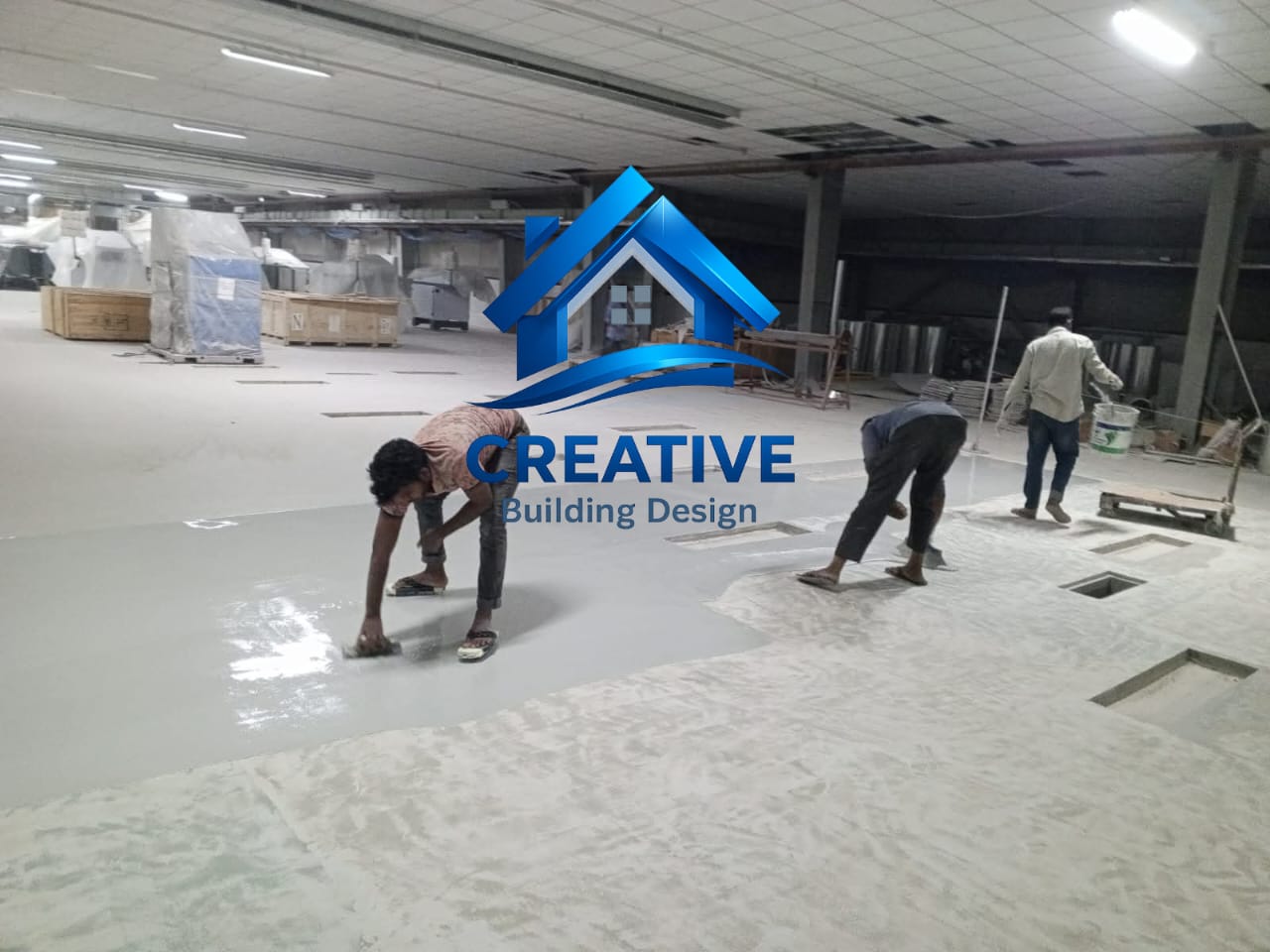
Floor hardener is an essential construction material used to improve the durability, strength, and wear resistance of concrete floors. In Bangladesh, where industrialization and infrastructure development are rapidly growing, floor hardeners have become a critical solution for warehouses, factories, commercial buildings, and even residential garages. These materials are specially designed to strengthen the surface of concrete floors, making them more resistant to abrasion, impact, and chemical exposure.
Concrete floors, though strong in compression, often suffer from surface wear, dusting, and cracking when exposed to heavy loads and continuous traffic. Floor hardeners solve these problems by creating a dense and durable surface layer that extends the life of the floor. With the increasing demand for long-lasting and low-maintenance flooring solutions, floor hardeners are widely used across Bangladesh.
Types of Floor Hardener Available in Bangladesh
Dry Shake Floor Hardener
Dry shake floor hardener is one of the most commonly used types in Bangladesh. It is applied to freshly poured concrete before it fully sets. This type of hardener consists of cement, aggregates, and special additives that improve strength and abrasion resistance.
Dry shake hardeners are widely used in industrial floors, parking areas, and warehouses. They are known for their excellent durability and cost-effectiveness.
Liquid Floor Hardener
Liquid floor hardener, also known as chemical hardener, is applied to cured concrete surfaces. It penetrates deep into the concrete and reacts chemically to form a harder and denser surface.
This type is ideal for existing floors that need strengthening without major reconstruction. It is commonly used in factories, showrooms, and commercial buildings.
Metallic Floor Hardener
Metallic floor hardeners contain metallic aggregates that provide superior strength and resistance to heavy impact. These are mainly used in heavy-duty industrial environments such as steel plants and heavy machinery workshops.
Non-Metallic Floor Hardener
Non-metallic hardeners use mineral aggregates instead of metal. They are suitable for areas where rust or corrosion must be avoided, such as food processing plants and pharmaceutical industries.
Key Benefits of Floor Hardener
Increased Durability
Floor hardeners significantly increase the lifespan of concrete floors by protecting them from wear and tear.
Dust-Free Surface
One of the biggest problems in untreated concrete floors is dust formation. Floor hardeners eliminate dusting and create a clean environment.
High Load-Bearing Capacity
Hardened floors can withstand heavy machinery, vehicles, and constant traffic without damage.
Chemical Resistance
Floor hardeners improve resistance to chemicals, oils, and other industrial substances.
Low Maintenance
Floors treated with hardeners require minimal maintenance compared to untreated concrete.
Applications of Floor Hardener in Bangladesh
Industrial Factories
Factories in Bangladesh heavily rely on floor hardeners to maintain smooth and durable surfaces for machinery and operations.
Warehouses and Logistics Centers
With the growth of e-commerce and logistics, warehouses require strong floors that can handle heavy loads and constant movement.
Commercial Buildings
Shopping malls, showrooms, and office buildings use floor hardeners to maintain aesthetic and durable flooring.
Parking Areas
Parking garages need high-strength floors to withstand vehicle traffic and oil spills.
Residential Use
Homeowners also use floor hardeners in garages and outdoor spaces for durability.
Installation Process of Floor Hardener
Surface Preparation
Proper surface preparation is crucial. The concrete must be clean, level, and free from dust and debris.
Application of Hardener
For dry shake hardeners, the material is spread evenly over freshly laid concrete. For liquid hardeners, it is applied using a sprayer or roller.
Finishing
The surface is then troweled to achieve a smooth and dense finish.
Curing
Proper curing ensures maximum strength and durability.
Factors Affecting Floor Hardener Performance
Quality of Concrete
The base concrete quality plays a major role in the effectiveness of the hardener.
Application Technique
Improper application can lead to uneven surfaces and reduced performance.
Environmental Conditions
Temperature and humidity can affect the curing process.
Maintenance Practices
Regular cleaning and maintenance extend the life of the floor.
Floor Hardener vs Epoxy Flooring
Durability Comparison
Floor hardeners provide excellent durability, but epoxy flooring offers additional chemical resistance and aesthetic appeal.
Cost Effectiveness
Floor hardeners are generally more cost-effective compared to epoxy systems.
Application Complexity
Floor hardeners are easier to apply than epoxy coatings.
Aesthetic Differences
Epoxy floors offer more design options, while floor hardeners focus on functionality.
Floor Hardener Market in Bangladesh
Growing Demand
The demand for floor hardeners in Bangladesh is increasing due to rapid industrial growth.
Availability of Materials
Both local and imported floor hardeners are available in the market.
Skilled Labor
There is a growing number of skilled professionals specializing in floor hardener application.
Challenges
Challenges include lack of awareness and improper application practices.
Maintenance Tips for Floor Hardened Surfaces
Regular Cleaning
Keep the floor clean to prevent dust accumulation.
Avoid Harsh Chemicals
Use mild cleaning agents to maintain the surface.
Repair Damages Early
Address cracks and damages immediately to prevent further deterioration.
Periodic Inspection
Regular inspection ensures long-term performance.
FAQs About Floor Hardener In Bangladesh
What is floor hardener and why is it important?
Floor hardener is a specialized material applied to concrete surfaces to improve their strength, durability, and resistance to wear. In Bangladesh, where construction quality and long-term performance are crucial, floor hardeners play an important role in ensuring that concrete floors remain strong under heavy use. Concrete floors without hardeners tend to produce dust over time, which can affect both the environment and machinery. This dusting occurs because the surface layer of concrete is weaker than the inner structure. Floor hardeners eliminate this problem by strengthening the top layer and making it more resistant to abrasion. Another important reason for using floor hardeners is their ability to handle heavy loads. In industrial environments such as factories and warehouses, floors are constantly exposed to heavy machinery and vehicles. Without proper reinforcement, these floors can crack and deteriorate quickly.
Floor hardeners also improve the overall appearance of floors. They create a smooth and polished surface that is easier to clean and maintain. This is especially important in commercial spaces where cleanliness and aesthetics are essential. In Bangladesh, where environmental conditions such as humidity and temperature can affect concrete performance, floor hardeners provide an extra layer of protection. They help prevent moisture penetration and reduce the risk of damage caused by environmental factors.
Overall, floor hardeners are essential for ensuring the longevity, performance, and safety of concrete floors in various applications.
Which type of floor hardener is best for industrial use?
Choosing the best floor hardener for industrial use depends on several factors, including the type of industry, load requirements, and environmental conditions. In Bangladesh, industries such as manufacturing, logistics, and heavy engineering require highly durable flooring solutions. Dry shake floor hardeners are widely used in industrial applications due to their excellent abrasion resistance and cost-effectiveness. They are applied during the concrete pouring process, which ensures strong bonding with the surface. This makes them ideal for new construction projects.
For existing floors, liquid hardeners are a popular choice. They penetrate deep into the concrete and chemically react to strengthen the surface. This type is suitable for upgrading old floors without major renovation. Metallic floor hardeners are recommended for heavy-duty industries where floors are exposed to extreme loads and impact. These hardeners provide superior strength and durability but are not suitable for environments where corrosion is a concern. Non-metallic floor hardeners are preferred in industries such as food processing and pharmaceuticals. They do not rust and provide a clean and hygienic surface. Environmental factors such as moisture and temperature should also be considered when selecting a floor hardener. In areas with high humidity, moisture-resistant hardeners are recommended. Ultimately, the best floor hardener for industrial use in Bangladesh depends on specific project requirements. Consulting with professionals can help in making the right choice.
How long does a floor hardener last?
The lifespan of a floor hardener depends on various factors, including the type of hardener used, quality of application, and maintenance practices. In Bangladesh, where floors are often subjected to heavy use, proper installation and care are essential for achieving long-lasting results. On average, a well-applied floor hardener can last between 10 to 20 years. In industrial environments with heavy traffic, the lifespan may vary depending on usage intensity. Floors that experience constant movement of heavy machinery may require periodic maintenance to maintain their performance. The quality of the base concrete also plays a significant role in determining the lifespan. If the underlying concrete is weak, even the best hardener may not perform effectively. Therefore, it is important to ensure high-quality concrete during construction.
Maintenance is another critical factor. Regular cleaning and timely repairs can significantly extend the life of a hardened floor. Neglecting maintenance can lead to surface damage and reduced performance. Environmental conditions such as exposure to chemicals, moisture, and temperature fluctuations can also affect durability. Using the appropriate type of hardener for specific conditions can help in maximizing lifespan. In Bangladesh, where construction standards are improving, the use of high-quality floor hardeners and proper application techniques can ensure long-lasting and durable flooring solutions.
Is floor hardener better than epoxy flooring?
Floor hardener and epoxy flooring serve different purposes, and choosing between them depends on specific requirements. In Bangladesh, both options are widely used in industrial and commercial applications. Floor hardeners are primarily used to strengthen and protect concrete surfaces. They are cost-effective and easy to apply, making them a popular choice for large-scale industrial projects. They provide excellent resistance to abrasion and heavy loads but have limited decorative options. Epoxy flooring, on the other hand, is a coating system that provides both protection and aesthetics. It offers a glossy finish and can be customized with different colors and designs. Epoxy floors are also highly resistant to chemicals and moisture.
In terms of durability, both options perform well, but epoxy flooring offers additional protection against chemical exposure. However, epoxy systems are generally more expensive and require skilled application. For industrial environments where functionality and cost are the main concerns, floor hardeners are often the preferred choice. For commercial spaces where appearance is important, epoxy flooring may be more suitable. Maintenance requirements also differ. Floor hardeners require minimal maintenance, while epoxy floors may need periodic re-coating.
How to maintain a floor with hardener?
Maintaining a floor treated with hardener is relatively simple but essential for ensuring long-term performance. In Bangladesh, where dust and environmental factors can affect flooring, proper maintenance practices are important. Regular cleaning is the first step in maintaining a hardened floor. Dust and debris should be removed using a broom or vacuum cleaner. This helps prevent surface scratches and keeps the floor looking clean.
Using mild cleaning agents is recommended for washing the floor. Harsh chemicals should be avoided as they can damage the surface over time. Water-based cleaners are usually sufficient for most applications. Periodic inspection is also important. Any cracks or damages should be repaired promptly to prevent further deterioration. Ignoring small issues can lead to bigger problems in the future. In industrial environments, protective measures such as using mats or pads under heavy machinery can help reduce wear and tear. This is especially important in areas with high traffic. Avoid dragging heavy objects across the floor, as this can cause scratches and damage the surface. Instead, use proper lifting equipment. Sealing the floor periodically can provide additional protection and enhance durability. This is particularly useful in areas exposed to moisture or chemicals. By following these maintenance practices, floors treated with hardeners can remain strong, durable, and visually appealing for many years in Bangladesh.
Can floor hardener be applied on old concrete floors?
Yes, floor hardeners can be applied on old concrete floors, but the method and type of hardener will differ from new construction applications. In Bangladesh, many industrial and commercial facilities prefer upgrading their existing floors rather than replacing them entirely, and this is where liquid or chemical floor hardeners become highly effective. Unlike dry shake hardeners, which are used during the concrete pouring stage, liquid floor hardeners are designed specifically for cured or old concrete surfaces. These hardeners penetrate deep into the pores of the concrete and react chemically with free lime (calcium hydroxide) present in the slab. This reaction forms calcium silicate hydrate, which is the same compound responsible for concrete strength. As a result, the floor becomes denser, harder, and more resistant to wear and dusting.
However, proper surface preparation is crucial before applying a hardener on an old floor. The surface must be thoroughly cleaned to remove dirt, oil, grease, and any existing coatings. Mechanical grinding or shot blasting may be required to open up the pores of the concrete and ensure proper penetration of the hardener. Cracks and damages should be repaired before application. If the floor is severely deteriorated, a resurfacing layer may be necessary before applying the hardener. Skipping these steps can result in poor performance and uneven hardening. In Bangladesh, where many older factories and warehouses have worn-out floors, applying a liquid floor hardener is a cost-effective solution to restore durability without major reconstruction. It improves surface strength, reduces dusting, and enhances overall performance.
Does floor hardener prevent cracks in concrete?
Floor hardener does not completely prevent cracks in concrete, but it significantly reduces the chances of surface-level damage and improves overall durability. In Bangladesh, where environmental conditions such as temperature fluctuations and moisture can affect concrete, understanding the role of floor hardeners in crack prevention is important. Concrete cracks primarily occur due to shrinkage, thermal expansion, improper curing, or structural movement. Since floor hardeners are applied to the surface layer, they mainly enhance surface strength rather than addressing structural issues. Therefore, they cannot stop deep structural cracks caused by poor design or foundation problems. However, floor hardeners do help in minimizing surface cracks and micro-cracking. By increasing the density and hardness of the top layer, they make the surface more resistant to abrasion and minor stress. This reduces the likelihood of small cracks forming due to daily wear and tear.
Another benefit is improved resistance to moisture penetration. In Bangladesh’s humid climate, moisture can seep into concrete and cause expansion, leading to cracks over time. Floor hardeners create a denser surface that limits water absorption, thereby reducing this risk. Proper application also plays a role. When dry shake hardeners are applied correctly during the finishing stage of concrete, they create a strong bond with the surface. This helps in distributing loads more evenly and reducing stress concentrations that can lead to cracks. It is important to note that crack prevention starts with good construction practices. Proper mix design, reinforcement, curing, and joint placement are essential. Floor hardeners should be seen as an additional protective layer rather than a standalone solution for crack prevention.
Is floor hardener suitable for residential use in Bangladesh?
Yes, floor hardener is suitable for residential use in Bangladesh, although it is more commonly associated with industrial and commercial applications. As modern construction trends evolve, homeowners are increasingly adopting floor hardeners for garages, driveways, basements, and outdoor areas. One of the main advantages of using floor hardeners in residential settings is improved durability. Areas like garages and driveways are subjected to vehicle traffic, oil spills, and heavy loads. A hardened concrete surface can withstand these conditions much better than untreated concrete. Another benefit is dust reduction. Many homes in Bangladesh experience dust issues due to untreated concrete floors, especially in storage areas or basements. Floor hardeners eliminate this problem by creating a dense, dust-free surface. In terms of maintenance, hardened floors are easier to clean and require less effort compared to regular concrete. This makes them a practical choice for busy households. Additionally, they offer resistance to stains and minor chemical exposure, which is useful in areas like kitchens and utility spaces. Aesthetic improvement is another factor. While floor hardeners are primarily functional, they can also provide a smooth and slightly polished finish. For homeowners who prefer a minimalist or industrial look, this can be an attractive option. Cost-effectiveness is also important. Compared to other flooring solutions such as tiles or epoxy coatings, floor hardeners are relatively affordable. This makes them accessible for a wide range of residential projects in Bangladesh. However, proper application is essential to achieve the desired results. Hiring experienced professionals ensures that the hardener is applied evenly and effectively.
What are the common mistakes during floor hardener application?
Applying floor hardener requires skill and precision, and mistakes during the process can significantly affect the final result. In Bangladesh, where construction practices may vary, understanding these common errors can help ensure better outcomes. One of the most common mistakes is improper timing of application. For dry shake hardeners, applying the material too early or too late can lead to poor bonding with the concrete surface. If applied too early, it may absorb too much moisture and become weak. If applied too late, it may not integrate properly with the concrete. Another frequent issue is uneven distribution of the hardener. This results in inconsistent surface strength and appearance. Some areas may become harder than others, leading to uneven wear over time. Inadequate surface preparation is a major problem, especially when applying liquid hardeners on existing floors. Failing to clean the surface properly or remove contaminants can prevent proper penetration and reduce effectiveness.
Poor finishing techniques can also cause defects such as cracks, scaling, or surface delamination. Using incorrect tools or applying excessive pressure during troweling can damage the surface. Skipping proper curing is another critical mistake. Curing allows the concrete and hardener to achieve maximum strength. Without adequate curing, the floor may become weak and prone to damage. Environmental factors are often overlooked. High temperatures, wind, or low humidity can cause rapid drying, which affects the performance of the hardener. Proper measures should be taken to control these conditions during application.Lastly, using low-quality materials can compromise the entire process. Investing in high-quality floor hardeners ensures better performance and durability. Avoiding these common mistakes requires proper planning, skilled labor, and adherence to best practices. This ensures that floor hardeners deliver their full benefits in Bangladesh.
How to choose the right floor hardener supplier in Bangladesh?
Choosing the right floor hardener supplier in Bangladesh is crucial for ensuring quality and long-term performance. With the growing demand for construction materials, there are many suppliers in the market, but not all offer reliable products and services. One of the first factors to consider is product quality. A reputable supplier should provide high-quality floor hardeners that meet industry standards. It is important to check product specifications, certifications, and performance data before making a decision.
Experience and reputation are also key considerations. Suppliers with a proven track record in the industry are more likely to deliver consistent quality. Customer reviews and project references can provide valuable insights into their reliability. Technical support is another important aspect. A good supplier should offer guidance on product selection, application methods, and maintenance. This is especially important in Bangladesh, where environmental conditions can vary and affect performance. Availability of different types of hardeners is also beneficial. A supplier that offers a range of options, such as dry shake, liquid, metallic, and non-metallic hardeners, can help you choose the best solution for your specific needs. Pricing should be considered carefully, but it should not be the only deciding factor. Extremely low prices may indicate poor quality products. It is better to focus on value for money rather than just cost. After-sales service is another important factor. Reliable suppliers provide support even after the purchase, including troubleshooting and maintenance advice.Finally, timely delivery is essential for construction projects. Delays in material supply can disrupt schedules and increase costs.
Can floor hardener be applied on old concrete floors?
Yes, floor hardeners can be applied on old concrete floors, but the method and type of hardener will differ from new construction applications. In Bangladesh, many industrial and commercial facilities prefer upgrading their existing floors rather than replacing them entirely, and this is where liquid or chemical floor hardeners become highly effective.
Unlike dry shake hardeners, which are used during the concrete pouring stage, liquid floor hardeners are designed specifically for cured or old concrete surfaces. These hardeners penetrate deep into the pores of the concrete and react chemically with free lime (calcium hydroxide) present in the slab. This reaction forms calcium silicate hydrate, which is the same compound responsible for concrete strength. As a result, the floor becomes denser, harder, and more resistant to wear and dusting.
However, proper surface preparation is crucial before applying a hardener on an old floor. The surface must be thoroughly cleaned to remove dirt, oil, grease, and any existing coatings. Mechanical grinding or shot blasting may be required to open up the pores of the concrete and ensure proper penetration of the hardener.
Cracks and damages should be repaired before application. If the floor is severely deteriorated, a resurfacing layer may be necessary before applying the hardener. Skipping these steps can result in poor performance and uneven hardening.
In Bangladesh, where many older factories and warehouses have worn-out floors, applying a liquid floor hardener is a cost-effective solution to restore durability without major reconstruction. It improves surface strength, reduces dusting, and enhances overall performance.
Overall, while applying floor hardener on old concrete is possible and beneficial, the success of the process depends on proper preparation, correct product selection, and professional application.
Does floor hardener prevent cracks in concrete?
Floor hardener does not completely prevent cracks in concrete, but it significantly reduces the chances of surface-level damage and improves overall durability. In Bangladesh, where environmental conditions such as temperature fluctuations and moisture can affect concrete, understanding the role of floor hardeners in crack prevention is important. Concrete cracks primarily occur due to shrinkage, thermal expansion, improper curing, or structural movement. Since floor hardeners are applied to the surface layer, they mainly enhance surface strength rather than addressing structural issues. Therefore, they cannot stop deep structural cracks caused by poor design or foundation problems. However, floor hardeners do help in minimizing surface cracks and micro-cracking. By increasing the density and hardness of the top layer, they make the surface more resistant to abrasion and minor stress. This reduces the likelihood of small cracks forming due to daily wear and tear.
Another benefit is improved resistance to moisture penetration. In Bangladesh’s humid climate, moisture can seep into concrete and cause expansion, leading to cracks over time. Floor hardeners create a denser surface that limits water absorption, thereby reducing this risk.
Proper application also plays a role. When dry shake hardeners are applied correctly during the finishing stage of concrete, they create a strong bond with the surface. This helps in distributing loads more evenly and reducing stress concentrations that can lead to cracks. It is important to note that crack prevention starts with good construction practices. Proper mix design, reinforcement, curing, and joint placement are essential. Floor hardeners should be seen as an additional protective layer rather than a standalone solution for crack prevention.
Is floor hardener suitable for residential use in Bangladesh?
Yes, floor hardener is suitable for residential use in Bangladesh, although it is more commonly associated with industrial and commercial applications. As modern construction trends evolve, homeowners are increasingly adopting floor hardeners for garages, driveways, basements, and outdoor areas. One of the main advantages of using floor hardeners in residential settings is improved durability. Areas like garages and driveways are subjected to vehicle traffic, oil spills, and heavy loads. A hardened concrete surface can withstand these conditions much better than untreated concrete.
Another benefit is dust reduction. Many homes in Bangladesh experience dust issues due to untreated concrete floors, especially in storage areas or basements. Floor hardeners eliminate this problem by creating a dense, dust-free surface. In terms of maintenance, hardened floors are easier to clean and require less effort compared to regular concrete. This makes them a practical choice for busy households. Additionally, they offer resistance to stains and minor chemical exposure, which is useful in areas like kitchens and utility spaces. Aesthetic improvement is another factor. While floor hardeners are primarily functional, they can also provide a smooth and slightly polished finish. For homeowners who prefer a minimalist or industrial look, this can be an attractive option. Cost-effectiveness is also important. Compared to other flooring solutions such as tiles or epoxy coatings, floor hardeners are relatively affordable. This makes them accessible for a wide range of residential projects in Bangladesh. However, proper application is essential to achieve the desired results. Hiring experienced professionals ensures that the hardener is applied evenly and effectively.
What are the common mistakes during floor hardener application?
Applying floor hardener requires skill and precision, and mistakes during the process can significantly affect the final result. In Bangladesh, where construction practices may vary, understanding these common errors can help ensure better outcomes. One of the most common mistakes is improper timing of application. For dry shake hardeners, applying the material too early or too late can lead to poor bonding with the concrete surface. If applied too early, it may absorb too much moisture and become weak. If applied too late, it may not integrate properly with the concrete. Another frequent issue is uneven distribution of the hardener. This results in inconsistent surface strength and appearance. Some areas may become harder than others, leading to uneven wear over time.
Inadequate surface preparation is a major problem, especially when applying liquid hardeners on existing floors. Failing to clean the surface properly or remove contaminants can prevent proper penetration and reduce effectiveness. Poor finishing techniques can also cause defects such as cracks, scaling, or surface delamination. Using incorrect tools or applying excessive pressure during troweling can damage the surface.
Skipping proper curing is another critical mistake. Curing allows the concrete and hardener to achieve maximum strength. Without adequate curing, the floor may become weak and prone to damage. Environmental factors are often overlooked. High temperatures, wind, or low humidity can cause rapid drying, which affects the performance of the hardener. Proper measures should be taken to control these conditions during application. Lastly, using low-quality materials can compromise the entire process. Investing in high-quality floor hardeners ensures better performance and durability. Avoiding these common mistakes requires proper planning, skilled labor, and adherence to best practices. This ensures that floor hardeners deliver their full benefits in Bangladesh.
How to choose the right floor hardener supplier in Bangladesh?
Choosing the right floor hardener supplier in Bangladesh is crucial for ensuring quality and long-term performance. With the growing demand for construction materials, there are many suppliers in the market, but not all offer reliable products and services.One of the first fa ctors to consider is product quality. A reputable supplier should provide high-quality floor hardeners that meet industry standards. It is important to check product specifications, certifications, and performance data before making a decision. Experience and reputation are also key considerations. Suppliers with a proven track record in the industry are more likely to deliver consistent quality. Customer reviews and project references can provide valuable insights into their reliability.
Technical support is another important aspect. A good supplier should offer guidance on product selection, application methods, and maintenance. This is especially important in Bangladesh, where environmental conditions can vary and affect performance. Availability of different types of hardeners is also beneficial. A supplier that offers a range of options, such as dry shake, liquid, metallic, and non-metallic hardeners, can help you choose the best solution for your specific needs.
Pricing should be considered carefully, but it should not be the only deciding factor. Extremely low prices may indicate poor quality products. It is better to focus on value for money rather than just cost. After-sales service is another important factor. Reliable suppliers provide support even after the purchase, including troubleshooting and maintenance advice. Finally, timely delivery is essential for construction projects. Delays in material supply can disrupt schedules and increase costs.
Final Thoughts
Floor hardener has become an essential component in modern construction practices in Bangladesh, especially with the rapid growth of industrial, commercial, and infrastructure projects. As the demand for durable, long-lasting, and low-maintenance flooring continues to rise, floor hardeners offer a practical and cost-effective solution for enhancing the performance of concrete surfaces.
Concrete alone, while strong, is not always sufficient to withstand the heavy loads, abrasion, and environmental conditions commonly found in Bangladesh. Floor hardeners address these challenges by significantly improving surface strength, reducing dust formation, and increasing resistance to wear and chemicals. This makes them highly suitable for factories, warehouses, parking areas, commercial buildings, and even residential applications.
Leave a Reply