
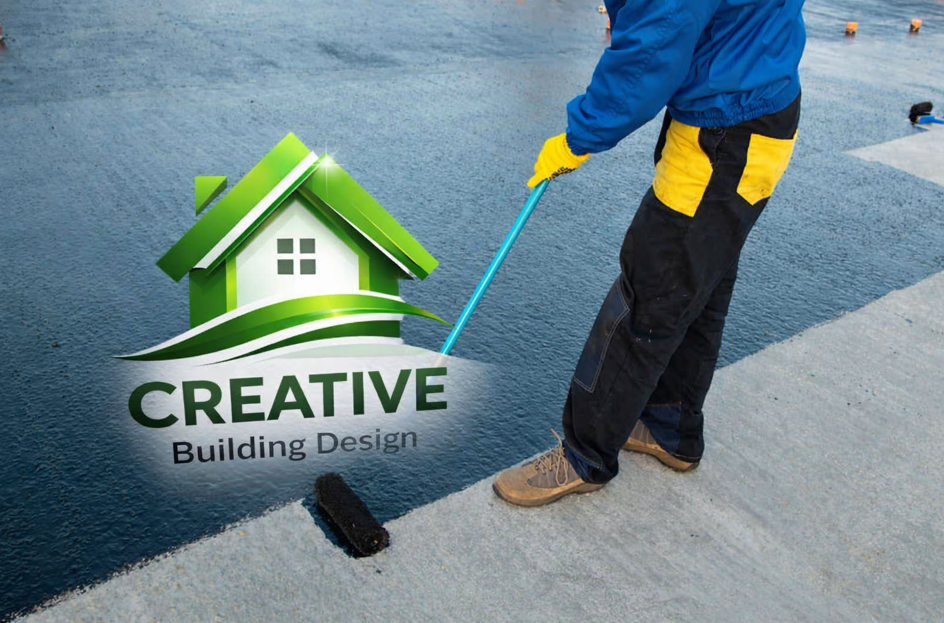
Waterproofing is an essential part of modern construction that protects buildings from water damage, moisture intrusion, and structural deterioration. Whether it is a residential home, commercial building, or industrial facility, applying the right waterproofing solution ensures durability, safety, and long-term cost savings. In areas with high humidity or heavy rainfall, waterproofing becomes even more critical to maintain the integrity of structures.
This article explores everything you need to know about waterproofing solutions, including types, benefits, applications, and frequently asked questions.
What is Waterproofing?
Waterproofing is the process of making a structure resistant to water penetration. It involves applying specialized materials and techniques to prevent water from entering surfaces such as roofs, walls, basements, and foundations.
Water infiltration can cause serious issues such as cracks, mold growth, corrosion of steel reinforcement, and weakening of concrete. A proper waterproofing solution eliminates these risks and extends the lifespan of the building.
Importance of Waterproofing Solutions
Protection Against Structural Damage
Water seepage can gradually weaken concrete and steel, leading to cracks and eventual structural failure. Waterproofing prevents water from penetrating and damaging the core structure.
Prevention of Mold and Mildew
Moisture creates an ideal environment for mold and mildew growth, which can affect indoor air quality and cause health problems. Waterproofing helps maintain a dry and healthy environment.
Increased Property Value
Buildings with effective waterproofing systems are more durable and require less maintenance, making them more attractive to buyers and investors.
Cost Savings
Repairing water damage can be expensive. Investing in waterproofing early reduces the need for frequent repairs and maintenance.
Types of Waterproofing Solutions
Cementitious Waterproofing
Cementitious waterproofing is one of the most commonly used methods due to its simplicity and cost-effectiveness. It involves applying a cement-based coating to surfaces like bathrooms, kitchens, and water tanks.
Liquid Waterproofing Membrane
This method uses a liquid coating that forms a seamless and flexible membrane once cured. It is ideal for roofs, terraces, and balconies.
Bituminous Waterproofing
Bituminous waterproofing uses asphalt-based materials to create a protective layer. It is widely used for roofing and foundation protection due to its durability.
Polyurethane Waterproofing
Polyurethane waterproofing provides a highly flexible and resistant coating. It is suitable for areas exposed to harsh weather conditions and heavy water exposure.
Sheet Membrane Waterproofing
This method involves using pre-formed sheets that are applied to surfaces. It offers consistent thickness and excellent waterproofing performance.
Common Areas That Require Waterproofing
Roof Waterproofing
Roofs are constantly exposed to rain, sunlight, and temperature changes. Waterproofing protects against leaks and extends roof lifespan.
Basement Waterproofing
Basements are prone to water seepage due to underground moisture. Proper waterproofing prevents flooding and dampness.
Bathroom Waterproofing
Bathrooms are high-moisture areas that require effective waterproofing to prevent leaks and damage to adjacent walls.
Foundation Waterproofing
The foundation is the most critical part of any structure. Waterproofing ensures it remains strong and stable over time.
Terrace and Balcony Waterproofing
Open areas like terraces and balconies are exposed to direct weather conditions, making waterproofing essential.
Waterproofing Materials Used
Waterproofing Chemicals
These include liquid coatings, admixtures, and sealants that enhance water resistance.
Waterproofing Membranes
Membranes can be liquid-applied or sheet-based, providing a protective barrier against water.
Sealants
Sealants are used to fill cracks and joints, preventing water from entering through gaps.
Admixtures
These are added to concrete to improve its waterproofing properties from within.
Steps Involved in Waterproofing
Surface Preparation
Proper cleaning and repair of the surface are essential before applying any waterproofing material.
Application of Primer
A primer improves adhesion between the surface and waterproofing material.
Application of Waterproofing Layer
The selected waterproofing solution is applied evenly to create a protective barrier.
Curing and Inspection
After application, the surface is cured and inspected to ensure effectiveness.
Advantages of Professional Waterproofing
Expert Application
Professionals have the knowledge and experience to apply waterproofing solutions correctly.
Use of High-Quality Materials
Professional services use advanced materials that provide long-lasting protection.
Warranty and Assurance
Many waterproofing services offer warranties, giving peace of mind to property owners.
Common Waterproofing Problems
Cracks in Concrete
Cracks allow water to seep into the structure, causing damage over time.
Poor Drainage
Improper drainage systems can lead to water accumulation and seepage issues.
Low-Quality Materials
Using inferior materials can result in ineffective waterproofing and frequent repairs.
Improper Application
Incorrect application techniques can compromise the effectiveness of waterproofing.
How to Choose the Right Waterproofing Solution?
Identify the Problem Area
Different areas require different waterproofing methods. Understanding the issue helps in selecting the right solution.
Consider Climate Conditions
Weather conditions play a significant role in determining the appropriate waterproofing method.
Evaluate Budget and Durability
Choose a solution that balances cost with long-term performance.
Consult Professionals
Seeking expert advice ensures the best waterproofing solution for your needs.
Maintenance Tips for Waterproofed Surfaces
Regular Inspection
Check for signs of damage or wear and address issues promptly.
Clean Surfaces
Keep surfaces clean to maintain the effectiveness of waterproofing materials.
Repair Minor Damages
Fix small cracks or leaks before they become major problems.
Ensure Proper Drainage
Maintain drainage systems to prevent water accumulation.
FAQs About Waterproofing Solutions
What is the best waterproofing method for roofs?
Choosing the best waterproofing method for roofs depends on several important factors, including the type of roof structure, weather conditions, exposure to sunlight, and the overall usage of the building. There is no single universal solution that works for every situation, which is why understanding the characteristics of different waterproofing systems is essential before making a decision. For flat roofs, which are very common in both residential and commercial buildings, liquid waterproofing membranes are widely considered one of the most effective options. These membranes are applied in liquid form and cure into a seamless, flexible layer that can easily adapt to surface movement and temperature changes. Because there are no joints or seams, the risk of water leakage is significantly reduced. This makes liquid membranes especially suitable for areas that experience heavy rainfall or water ponding.
Polyurethane waterproofing is another highly recommended method for roof protection. It offers excellent flexibility and strong resistance to harsh environmental conditions such as UV radiation, extreme temperatures, and heavy rain. Polyurethane coatings can expand and contract with the roof surface, which helps prevent cracks and long-term damage. This type of waterproofing is particularly beneficial for roofs exposed to intense weather conditions. Bituminous waterproofing systems are also commonly used, especially for large-scale projects. These systems involve the application of asphalt-based materials that create a thick, durable barrier against water. Bituminous membranes are known for their long lifespan and strong adhesion, making them a reliable choice for both flat and slightly sloped roofs. In addition to selecting the right material, proper surface preparation and application techniques are crucial. Even the best waterproofing product can fail if it is not applied correctly. Cleaning the surface, repairing cracks, and ensuring proper drainage are all necessary steps before applying any waterproofing system.
How long does waterproofing last?
The lifespan of a waterproofing system varies depending on several factors, including the type of materials used, the quality of application, environmental conditions, and how well the system is maintained over time. While waterproofing is designed to provide long-term protection, it is not always a permanent solution, and periodic inspection is necessary to ensure continued effectiveness. Different waterproofing materials offer different durability levels. For example, cementitious waterproofing systems are generally more affordable and easy to apply, but they may have a shorter lifespan compared to more advanced solutions. These systems are often used in internal areas like bathrooms and water tanks, where they can last for several years with proper care. On the other hand, liquid-applied membranes and polyurethane coatings tend to offer longer-lasting performance. These materials are flexible and resistant to environmental stress, which allows them to maintain their integrity over time. In many cases, such systems can last well over a decade when applied correctly and maintained properly.
Bituminous waterproofing membranes are also known for their durability. They are commonly used in roofing and foundation applications and can provide reliable protection for many years. However, their lifespan may be affected by factors such as exposure to sunlight, temperature fluctuations, and physical wear and tear. Environmental conditions play a significant role in determining how long waterproofing lasts. Buildings located in areas with heavy rainfall, high humidity, or extreme temperature changes may experience faster wear and tear. In such cases, choosing a more robust waterproofing system and performing regular maintenance becomes even more important. Maintenance is another key factor that influences the longevity of waterproofing. Regular inspections can help identify small issues such as cracks, blisters, or weak spots before they develop into major problems. Timely repairs and proper drainage management can significantly extend the life of the waterproofing system.
Can waterproofing be done on existing buildings?
Yes, waterproofing can be effectively applied to existing buildings, and in many cases, it is an essential step in maintaining and restoring the structural integrity of older constructions. Over time, buildings are exposed to various environmental factors such as rain, humidity, and temperature changes, which can lead to cracks, leaks, and moisture-related damage. Applying waterproofing solutions to an existing structure helps address these issues and prevents further deterioration. The process of waterproofing an existing building typically begins with a thorough inspection. This step is crucial to identify problem areas such as cracks in walls, damaged roofs, water seepage in basements, or damp patches on ceilings. Understanding the root cause of water intrusion allows professionals to choose the most suitable waterproofing method. Surface preparation is one of the most important stages in this process. Before applying any waterproofing material, the existing surface must be cleaned and repaired. This may involve removing old coatings, sealing cracks, fixing damaged concrete, and ensuring the surface is smooth and free of contaminants. Proper preparation ensures strong adhesion and long-lasting performance of the waterproofing system.
Depending on the condition of the building and the area being treated, different waterproofing methods may be used. For example, liquid membranes are often applied to roofs and terraces, while cementitious coatings are commonly used in bathrooms and internal walls. For basements and foundations, more robust systems such as bituminous membranes or injection grouting may be required to stop water infiltration. One of the key advantages of waterproofing existing buildings is that it helps extend the lifespan of the structure without the need for major reconstruction. It also improves indoor comfort by eliminating dampness, reducing mold growth, and enhancing air quality. Additionally, it can increase the value of the property by making it more durable and attractive to potential buyers. However, it is important to note that the success of waterproofing in existing buildings largely depends on the expertise of the professionals involved. Incorrect diagnosis or poor application can lead to ineffective results. Therefore, it is always recommended to consult experienced contractors who can assess the situation accurately and implement the right solution.
Is waterproofing necessary for all buildings?
Waterproofing is a fundamental requirement for all types of buildings, regardless of their size, design, or location. While some structures may appear less vulnerable to water damage, the reality is that every building is exposed to moisture in some form, whether from rain, humidity, groundwater, or internal water usage. Without proper waterproofing, even minor exposure to water can lead to significant problems over time. One of the main reasons waterproofing is necessary is to protect the structural integrity of a building. Water can penetrate through small cracks and pores in concrete, eventually reaching the reinforcement steel inside. This can cause corrosion, which weakens the structure and may lead to serious safety concerns. Waterproofing acts as a barrier that prevents water from entering and damaging these critical components. In addition to structural protection, waterproofing is essential for maintaining a healthy indoor environment. Moisture inside a building can lead to the growth of mold and mildew, which not only damages surfaces but also poses health risks to occupants. Respiratory issues, allergies, and unpleasant odors are common problems associated with damp environments. Proper waterproofing helps keep interiors dry and comfortable.
Different parts of a building require waterproofing for different reasons. Roofs need protection from rain and sunlight, basements must resist groundwater pressure, and bathrooms require waterproofing to handle constant exposure to water. Even walls and balconies can benefit from waterproofing to prevent seepage and surface damage. Another important aspect to consider is long-term cost savings. While waterproofing may involve an initial investment, it significantly reduces the need for frequent repairs and maintenance. Fixing water damage can be expensive and time-consuming, especially if the problem is not addressed early. By applying waterproofing during construction or renovation, property owners can avoid these issues and save money in the long run. Furthermore, waterproofing enhances the durability and value of a property. Buildings that are well-protected against water damage tend to last longer and maintain their appearance over time. This makes them more appealing to buyers, tenants, and investors.
How do I know if my building needs waterproofing?
Identifying whether a building requires waterproofing is crucial for preventing serious damage and maintaining a safe living or working environment. There are several visible and hidden signs that indicate the presence of moisture problems, and recognizing these early can help you take timely action. One of the most common signs that a building needs waterproofing is the appearance of damp patches on walls or ceilings. These patches often indicate water seepage from external sources such as rain or internal issues like leaking pipes. Over time, these damp areas can expand and cause further damage if not addressed. Water stains are another clear indicator of moisture intrusion. These stains may appear as discolored spots or streaks on walls and ceilings, often accompanied by peeling paint or bubbling plaster. Such symptoms suggest that water has penetrated the surface and is affecting the underlying structure.
The presence of mold and mildew is also a strong sign that waterproofing is needed. Mold typically grows in damp and poorly ventilated areas, such as bathrooms, basements, and corners of rooms. It not only damages surfaces but also poses health risks, making it important to address the issue promptly. Cracks in walls, floors, or foundations can also allow water to enter the building. Even small cracks can become pathways for moisture, especially during heavy rainfall. If you notice cracks that are widening or accompanied by dampness, it is a clear indication that waterproofing measures are required. In some cases, you may experience a musty or unpleasant odor inside the building. This is often caused by trapped moisture and hidden mold growth. Such odors are a sign that water is present in areas that may not be immediately visible.
Basements and lower levels are particularly prone to water seepage. If you notice water accumulation, damp floors, or increased humidity in these areas, it is important to consider waterproofing solutions to prevent further issues. Regular inspections are key to identifying these signs early. It is advisable to check areas that are frequently exposed to water, such as roofs, bathrooms, and external walls. If you are unsure about the condition of your building, consulting a professional can provide a more accurate assessment.
What is the difference between damp-proofing and waterproofing?
Damp-proofing and waterproofing are often used interchangeably, but they serve different purposes and offer varying levels of protection against moisture. Understanding the difference between these two methods is important when choosing the right solution for your building. Damp-proofing is a technique used to prevent moisture from entering a building in the form of vapor or minor dampness. It is typically applied to walls and floors to resist the absorption of moisture from the ground or surrounding environment. Damp-proofing materials create a barrier that slows down the movement of moisture, but they are not designed to withstand significant water pressure. Waterproofing, on the other hand, provides a higher level of protection by completely preventing water from penetrating a structure. It is designed to handle situations where water is present in larger quantities or under pressure, such as in basements, roofs, and water tanks. Waterproofing systems create a strong, impermeable barrier that blocks water entirely.
The choice between damp-proofing and waterproofing depends on the specific needs of the building. For example, damp-proofing may be sufficient for areas with low moisture exposure, such as internal walls. However, in areas that are exposed to heavy rain, groundwater, or continuous water contact, waterproofing is essential. Another key difference lies in the materials used. Damp-proofing typically involves coatings or membranes that are less flexible and less resistant to water pressure. Waterproofing materials, such as liquid membranes, bituminous coatings, and polyurethane systems, are more robust and capable of withstanding harsh conditions. Installation methods also vary between the two. Damp-proofing is generally simpler and less expensive, making it a cost-effective solution for minor moisture issues. Waterproofing, however, requires more thorough surface preparation and professional application to ensure long-lasting performance. In terms of durability, waterproofing systems tend to last longer and provide more reliable protection compared to damp-proofing. While damp-proofing can help reduce moisture problems, it may not be sufficient in areas with severe water exposure.
Can I do waterproofing myself?
Many property owners consider doing waterproofing themselves as a way to save costs, especially for small-scale projects. While it is possible to handle certain minor waterproofing tasks independently, it is important to understand the limitations and risks associated with a do-it-yourself approach. Simple applications, such as sealing small cracks, applying basic waterproof coatings in bathrooms, or using sealants around windows and joints, can often be done without professional assistance. There are many ready-to-use waterproofing products available that are designed for easy application and require minimal technical knowledge. For these types of tasks, following the manufacturer’s instructions carefully can yield satisfactory results. However, more complex waterproofing projects, such as roof waterproofing, basement protection, or foundation treatment, require a higher level of expertise. These areas are critical to the overall structure of the building and are often exposed to significant water pressure and environmental stress. Incorrect application in such cases can lead to serious problems, including persistent leaks and structural damage.
One of the biggest challenges in DIY waterproofing is proper surface preparation. Without adequate cleaning, crack repair, and priming, the waterproofing material may not adhere properly, resulting in failure over time. Professionals have the tools and experience to prepare surfaces correctly and ensure optimal performance. Another important factor is the selection of the right waterproofing system. Different areas require different solutions, and choosing the wrong product can lead to ineffective results. Professionals can assess the specific conditions and recommend the most suitable materials for long-term protection. Additionally, professional waterproofing services often come with warranties, providing assurance that any issues will be addressed. DIY solutions do not offer this level of security, which means any mistakes or failures will need to be corrected at your own expense. Safety is also a consideration, especially when working on roofs or handling chemical-based materials. Professionals are trained to follow safety protocols and use protective equipment, reducing the risk of accidents.
How much maintenance does waterproofing require?
Waterproofing systems are designed to provide long-term protection with minimal maintenance, but they are not entirely maintenance-free. Regular care and inspection are essential to ensure that the system continues to perform effectively over time. One of the key aspects of maintaining waterproofing is periodic inspection. This involves checking surfaces for signs of wear, damage, or deterioration. Common issues to look for include cracks, peeling coatings, blisters, or areas where the waterproofing layer may have weakened. Identifying these problems early allows for timely repairs, preventing more serious damage.
Cleaning is another important part of maintenance. Dirt, debris, and standing water can affect the performance of waterproofing systems, especially on roofs and terraces. Keeping these areas clean ensures proper drainage and reduces the risk of water accumulation, which can lead to leaks. Drainage systems should also be regularly checked and maintained. Blocked or damaged drains can cause water to pool on surfaces, increasing pressure on the waterproofing layer. Ensuring that water flows freely away from the building helps preserve the integrity of the system. In some cases, minor repairs may be required to maintain effectiveness. This could include resealing joints, filling small cracks, or reapplying coatings in areas that have experienced wear. These small interventions can significantly extend the lifespan of the waterproofing system. Environmental factors can also influence maintenance needs. Buildings located in areas with harsh weather conditions, such as heavy rainfall or extreme temperatures, may require more frequent inspections and upkeep. Similarly, high-traffic areas like balconies may experience faster wear and require additional attention. Professional maintenance services can provide a more thorough evaluation of the waterproofing system. Experts can identify hidden issues and recommend appropriate solutions to ensure long-term performance.
Which areas of a building are most vulnerable to water damage?
Certain parts of a building are more exposed to water and moisture, making them highly vulnerable to damage if not properly waterproofed. Understanding these areas helps property owners take preventive measures before serious issues arise. Roofs are one of the most exposed areas since they directly face rain, sunlight, and environmental changes. Flat roofs, in particular, are more prone to water accumulation, which can lead to leakage if waterproofing is inadequate. Even small cracks or poor drainage can allow water to seep through over time.
Basements and foundations are also highly vulnerable because they are in constant contact with soil moisture and groundwater. Without proper waterproofing, water can seep through walls and floors, causing dampness, mold growth, and even structural weakening. Bathrooms and kitchens are internal areas that experience frequent water usage. Continuous exposure to water increases the risk of seepage into walls and floors. Without proper waterproofing layers, water can leak into adjacent rooms, leading to costly repairs. Balconies and terraces are another critical area. These spaces are directly exposed to rain and temperature fluctuations. Improper slope or drainage can result in water pooling, which eventually penetrates the surface.
External walls are often overlooked, but they also play a major role in preventing water intrusion. Rainwater can penetrate through porous materials or cracks, especially in buildings with poor exterior finishes. By identifying and properly treating these vulnerable areas, building owners can significantly reduce the risk of water damage and extend the life of the structure.
What are the common mistakes in waterproofing?
Waterproofing failures often occur not because of poor materials, but due to common mistakes during planning and application. Avoiding these errors is essential to ensure long-lasting results. One of the most frequent mistakes is inadequate surface preparation. Applying waterproofing materials on dirty, uneven, or damaged surfaces reduces adhesion and effectiveness. Cracks, dust, and oil residues must be properly cleaned and repaired before application. Choosing the wrong waterproofing method is another common issue. Different areas require different solutions, and using an unsuitable product can lead to failure. For example, a system designed for internal use may not perform well on exposed roofs. Improper application thickness can also cause problems. Applying too thin a layer may not provide sufficient protection, while overly thick layers can lead to cracking or peeling. Following manufacturer guidelines is crucial. Ignoring drainage systems is another critical mistake. Even the best waterproofing cannot perform effectively if water is allowed to accumulate. Proper slope and drainage design must be ensured to direct water away from the structure.
Lack of curing time is also a problem. Many waterproofing materials require adequate curing to achieve full strength and performance. Rushing this process can weaken the system. Lastly, lack of maintenance is often overlooked. Even a well-applied waterproofing system needs periodic inspection and minor repairs to remain effective. Avoiding these common mistakes can significantly improve the performance and lifespan of waterproofing solutions.
What is the role of waterproofing chemicals?
Waterproofing chemicals play a crucial role in modern construction by enhancing the water resistance of various building materials. These chemicals are designed to either block water penetration or improve the inherent properties of construction materials like concrete.One of the primary uses of waterproofing chemicals is in coatings. Liquid-applied chemicals form a protective layer on surfaces, preventing water from entering. These coatings can be flexible or rigid, depending on the application, and are commonly used on roofs, walls, and terraces. Admixtures are another important category of waterproofing chemicals. These are added directly to concrete or mortar during mixing. They work by reducing the porosity of the material, making it less permeable to water. This type of waterproofing is particularly useful for foundations, basements, and water-retaining structures. Sealants are used to fill joints, cracks, and gaps where water could potentially enter. These chemicals provide flexibility and ensure that movement in the structure does not create new pathways for water.
Crystalline waterproofing chemicals are also gaining popularity. These chemicals react with moisture and concrete components to form crystals that block pores and micro-cracks. This provides long-term internal protection against water penetration. Waterproofing chemicals are essential because they offer versatility and can be tailored to different applications. They improve durability, reduce maintenance, and provide reliable protection against moisture-related damage.
How does climate affect waterproofing performance?
Climate plays a significant role in determining the effectiveness and longevity of waterproofing systems. Different environmental conditions can impact how materials perform over time, making it important to choose solutions that are suitable for specific climates. In regions with heavy rainfall, waterproofing systems must be able to handle continuous water exposure. Materials with strong water resistance and seamless application, such as liquid membranes, are often preferred in such conditions.
High humidity levels can also affect waterproofing performance. Moisture in the air can lead to condensation, which may compromise certain materials if they are not designed for such environments. Proper ventilation and moisture-resistant coatings are essential in these cases. Extreme temperatures can cause expansion and contraction of building materials. Waterproofing systems must be flexible enough to accommodate these movements without cracking. Polyurethane and elastomeric coatings are commonly used in areas with large temperature variations. UV exposure is another important factor. Prolonged exposure to sunlight can degrade certain waterproofing materials, reducing their effectiveness. UV-resistant coatings are necessary for roofs and other exposed surfaces. Cold climates present different challenges, such as freezing and thawing cycles. Water trapped in small cracks can freeze and expand, causing further damage. Waterproofing systems in such regions must be able to withstand these conditions.
What is the cost-effectiveness of waterproofing?
Waterproofing is often viewed as an additional expense, but in reality, it is a highly cost-effective investment. The benefits it provides far outweigh the initial cost, especially when considering long-term savings. One of the main advantages of waterproofing is the prevention of costly repairs. Water damage can affect walls, ceilings, floors, and even structural components. Repairing such damage can be expensive and time-consuming. Waterproofing eliminates or significantly reduces these risks.
It also reduces maintenance costs. Buildings without proper waterproofing often require frequent repairs due to leaks and dampness. By investing in a reliable waterproofing system, property owners can minimize ongoing maintenance expenses. Energy efficiency is another factor to consider. Moisture can affect insulation performance, leading to higher energy consumption for heating or cooling. Waterproofing helps maintain a stable indoor environment, reducing energy costs. Additionally, waterproofing increases property value. Buildings that are well-maintained and free from water damage are more attractive to buyers and tenants. This can lead to higher resale value and better rental income. In industrial and commercial settings, waterproofing also protects equipment and inventory from water damage, preventing financial losses.
How often should waterproofing be inspected?
Regular inspection is a key part of maintaining an effective waterproofing system. While waterproofing materials are designed to last for years, periodic checks ensure that any issues are identified and addressed early. For most buildings, it is recommended to inspect waterproofing systems at least once or twice a year. However, the frequency may vary depending on factors such as location, climate, and the type of waterproofing used. Roofs and terraces should be inspected more frequently, especially after heavy rainfall or extreme weather conditions. These areas are directly exposed and more likely to develop issues such as cracks or water pooling.
Basements and foundations should also be checked regularly for signs of dampness, water seepage, or mold growth. Early detection can prevent more serious structural problems. Bathrooms and internal wet areas may require less frequent inspection, but it is still important to check for leaks, damaged sealants, and water stains. During inspections, it is important to look for visible signs of damage, such as peeling coatings, cracks, or discoloration. Drainage systems should also be checked to ensure proper water flow. Professional inspections can provide a more detailed assessment. Experts use specialized tools and techniques to detect hidden issues that may not be visible to the naked eye.
Conclusion
Waterproofing solutions are a crucial investment for any building. They protect against water damage, improve durability, and reduce maintenance costs. By choosing the right waterproofing method and ensuring proper application, you can safeguard your property for years to come. Whether for residential, commercial, or industrial use, a reliable waterproofing solution ensures a safe and long-lasting structure.
Leave a Reply