Polyurethane (PU) flooring is a high-performance flooring solution widely used in industrial, commercial, and residential environments due to its durability, flexibility, and chemical resistance. Unlike traditional flooring systems, PU flooring is designed to withstand extreme conditions such as temperature fluctuations, heavy traffic, and exposure to chemicals. Over the past decade, PU flooring has gained significant popularity in countries like Bangladesh due to its long lifespan and cost-effectiveness.
PU flooring is made from polyurethane resins, which create a seamless and highly resilient surface when applied. This flooring system is commonly used in factories, hospitals, warehouses, food processing plants, and even modern homes. Its versatility and aesthetic appeal make it an excellent choice for both functional and decorative purposes.
What is PU Flooring?
PU flooring is a type of resin-based flooring system composed of polyurethane materials. It is applied as a liquid coating that cures to form a strong, seamless, and flexible surface. This flooring system is often compared to epoxy flooring, but PU flooring is more flexible and better suited for environments where thermal expansion and contraction occur frequently.
Key Components of PU Flooring
- Polyurethane resin
- Hardener
- Pigments for color
- Additives for strength and flexibility
How PU Flooring Works
PU flooring forms a chemical bond with the substrate, usually concrete, creating a durable and long-lasting surface. The flexibility of polyurethane allows it to absorb impacts and resist cracking, making it ideal for heavy-duty applications.
Types of PU Flooring
PU flooring comes in various types depending on usage and requirements.
PU Screed Flooring
This is a heavy-duty flooring system used in industrial environments. It is highly resistant to chemicals, abrasion, and temperature extremes.
PU Self-Leveling Flooring
Used for smooth and glossy finishes, this type is ideal for commercial and residential spaces.
PU Concrete Flooring
A combination of polyurethane and cementitious materials, offering extreme durability.
PU Coating System
Thin layer coatings used for light-duty applications and decorative finishes.
Benefits of PU Flooring
PU flooring offers numerous advantages that make it superior to many traditional flooring options.
High Durability
PU floors can withstand heavy loads, machinery, and foot traffic without damage.
Chemical Resistance
Resistant to acids, alkalis, oils, and other harsh chemicals.
Thermal Shock Resistance
Can handle sudden temperature changes without cracking.
Seamless Finish
Provides a smooth and hygienic surface with no joints.
Easy Maintenance
Requires minimal cleaning and maintenance.
Anti-Slip Properties
Can be customized with anti-slip textures for safety.
Aesthetic Appeal
Available in various colors and finishes.
PU Flooring vs Epoxy Flooring
While both PU and epoxy flooring are popular, they have distinct differences.
Flexibility
PU flooring is more flexible, while epoxy is rigid.
Temperature Resistance
PU performs better in extreme temperatures.
Durability
Both are durable, but PU is better for dynamic environments.
Cost
Epoxy is generally cheaper, but PU offers better long-term value.
Applications of PU Flooring
PU flooring is used across various industries.
Industrial Applications
- Factories
- Warehouses
- Manufacturing plants
Commercial Applications
- Shopping malls
- Offices
- Hospitals
Residential Applications
- Garages
- Kitchens
- Living spaces
Specialized Areas
- Food processing plants
- Cold storage facilities
- Pharmaceutical industries
Installation Process of PU Flooring
Installing PU flooring requires professional expertise.
Surface Preparation
The concrete surface is cleaned and repaired.
Primer Application
A primer is applied to ensure proper adhesion.
Mixing Materials
Polyurethane resin and hardener are mixed.
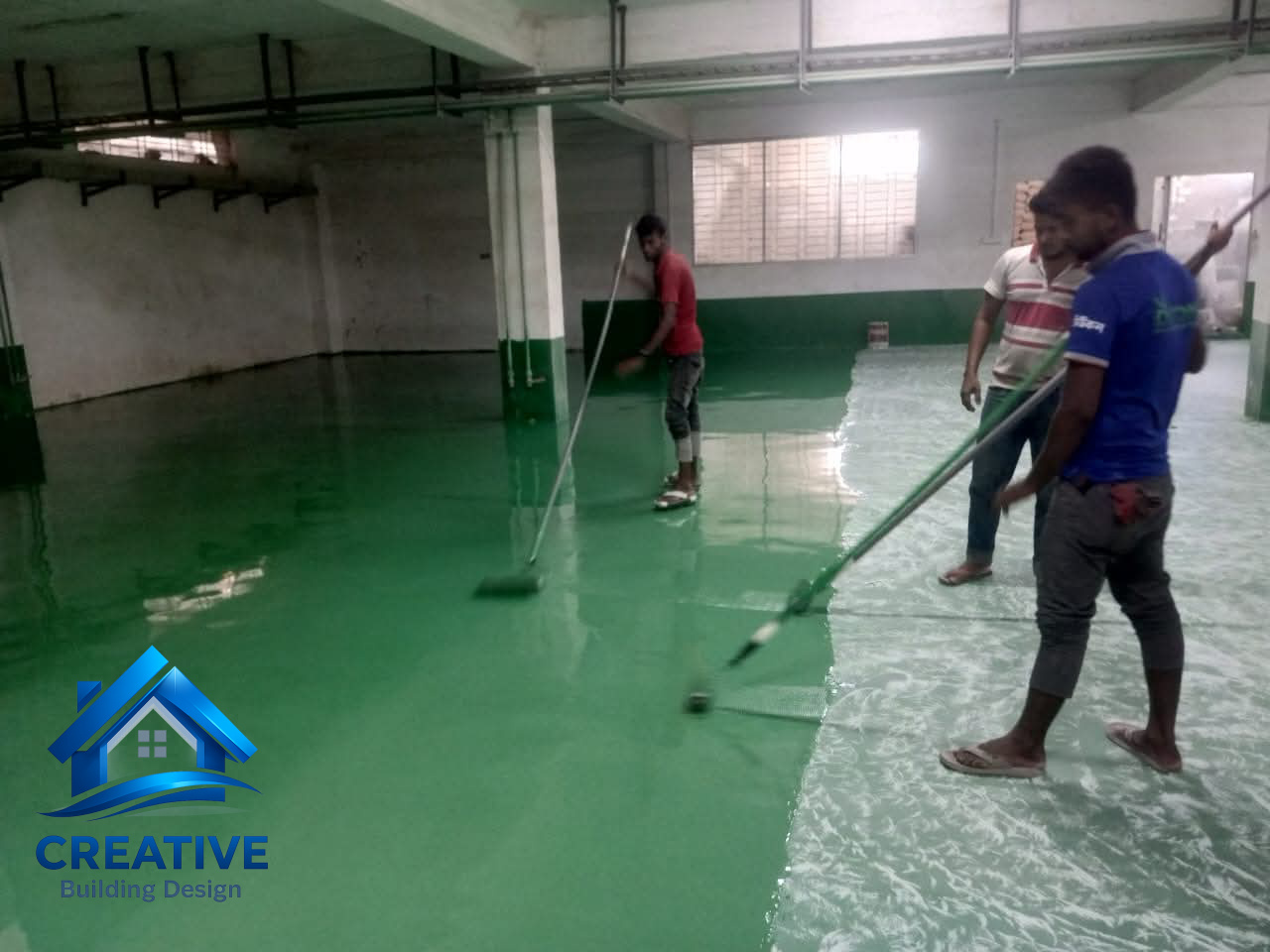
Application
The mixture is applied evenly across the surface.
Curing
The floor is left to cure for 24–72 hours.
Maintenance of PU Flooring
PU flooring is low maintenance but still requires proper care.
Regular Cleaning
Use mild detergents and water.
Avoid Harsh Chemicals
Although resistant, unnecessary exposure should be avoided.
Periodic Inspection
Check for wear and tear.
Repair and Recoating
Minor damages can be easily repaired.
Cost of PU Flooring
The cost depends on several factors:
Area Size
Larger areas reduce per square meter cost.
Thickness
Thicker floors cost more but offer better durability.
Type of PU Flooring
Industrial-grade is more expensive than residential.
Labor Cost
Professional installation affects pricing.
Advantages of PU Flooring in Bangladesh
PU flooring is becoming popular in Bangladesh due to:
Climate Suitability
Handles humidity and temperature changes well.
Industrial Growth
Increasing demand in factories and warehouses.
Long-Term Investment
Reduces maintenance and repair costs.
Common Problems and Solutions
Cracking
Usually caused by poor installation.
Solution: Proper surface preparation.
Peeling
Occurs due to moisture issues.
Solution: Moisture testing before installation.
Discoloration
Due to UV exposure.
Solution: Use UV-resistant coatings.
Environmental Impact of PU Flooring
PU flooring is environmentally friendly when installed correctly.
Low VOC Options
Modern PU systems have low emissions.
Long Lifespan
Reduces waste and replacement frequency.
Energy Efficiency
Reflective surfaces improve lighting efficiency.
Future Trends in PU Flooring
Eco-Friendly Materials
Increasing use of sustainable products.
Advanced Technology
Improved durability and performance.
Decorative Finishes
Growing demand for aesthetic designs.
About Us – CreativeEpoxyBD
CreativeEpoxyBD is a leading flooring solutions provider specializing in high-quality PU and epoxy flooring systems in Bangladesh. With years of experience in the industry, the company is committed to delivering durable, cost-effective, and visually appealing flooring solutions tailored to meet the needs of industrial, commercial, and residential clients.
The team at CreativeEpoxyBD consists of skilled professionals who use advanced techniques and premium materials to ensure long-lasting results. From initial consultation to final installation, the company maintains strict quality control and customer satisfaction.
CreativeEpoxyBD offers a wide range of services including PU flooring, epoxy flooring, floor repair, and maintenance. Their expertise ensures that every project is completed efficiently and within budget. Whether you need flooring for a factory, warehouse, hospital, or home, CreativeEpoxyBD is a trusted choice.
Advanced Technical Properties of PU Flooring
Polyurethane flooring stands out because of its superior technical characteristics that go beyond basic durability and aesthetics. These advanced properties make PU flooring a preferred choice in demanding environments.
Elasticity and Flexibility
One of the defining features of PU flooring is its elasticity. Unlike rigid flooring systems, polyurethane can expand and contract with temperature changes. This flexibility prevents cracking and ensures structural integrity even in extreme environments such as cold storage facilities or high-temperature industrial zones.
Abrasion Resistance
PU flooring offers excellent resistance to wear and tear caused by heavy machinery, foot traffic, and movement of goods. This makes it highly suitable for warehouses, logistics centers, and manufacturing units.
Impact Resistance
Due to its flexible nature, PU flooring absorbs shocks and impacts effectively. This reduces damage from dropped tools or equipment, making it ideal for workshops and industrial areas.
Moisture Tolerance
PU flooring can tolerate higher levels of moisture during installation compared to epoxy systems. This makes it suitable for areas where complete dryness is difficult to achieve.
Chemical Composition and Structure
Understanding the chemical composition of PU flooring helps explain its performance advantages.
Polyol and Isocyanate Reaction
PU flooring is formed through a chemical reaction between polyols and isocyanates. This reaction creates a मजबूत polymer network that gives the flooring its strength and flexibility.
Cross-Linking Structure
The cross-linked molecular structure enhances durability and resistance to chemicals, heat, and mechanical stress.
Additives and Fillers
Various additives are used to improve properties such as UV resistance, anti-slip texture, and color stability.
Thickness Variations in PU Flooring
PU flooring systems are available in different thicknesses depending on application needs.
Thin Coating (0.5–1 mm)
- Suitable for light-duty areas
- Used in residential and office spaces
- Provides decorative finish
Medium Thickness (1–3 mm)
- Ideal for commercial environments
- Offers moderate durability
- Common in retail stores and showrooms
Heavy-Duty Screed (4–9 mm)
- Designed for industrial use
- High resistance to chemicals and impact
- Used in factories and processing plants
Surface Finishes and Design Options
PU flooring is not just functional—it also offers extensive design flexibility.
Matte Finish
Provides a subtle and elegant look, often used in offices and homes.
Glossy Finish
Creates a reflective surface that enhances lighting and aesthetics.
Textured Finish
Improves slip resistance and safety in wet areas.
Decorative Flakes and Patterns
Allows customization with colors, chips, and patterns for unique designs.
PU Flooring for Specialized Industries
PU flooring is widely used in specialized sectors due to its performance capabilities.
Food and Beverage Industry
- Resistant to organic acids and cleaning chemicals
- Hygienic and easy to sanitize
- Suitable for wet and hot environments
Pharmaceutical Industry
- Seamless and dust-free surface
- Meets strict hygiene standards
- Resistant to chemical spills
Healthcare Facilities
- Anti-bacterial properties
- Easy to clean and maintain
- Comfortable underfoot
Cold Storage and Freezers
- Withstands sub-zero temperatures
- Maintains flexibility without cracking
Safety Features of PU Flooring
Safety is a critical factor in flooring selection, especially in industrial environments.
Anti-Slip Performance
PU flooring can be customized with anti-slip aggregates to prevent accidents in wet or oily conditions.
Fire Resistance
Certain PU systems are designed to resist fire and reduce flame spread.
Hygienic Surface
Seamless installation prevents accumulation of dust, bacteria, and contaminants.
Noise Reduction
PU flooring absorbs sound, reducing noise levels in busy environments.
PU Flooring Installation Challenges
Despite its advantages, PU flooring installation can present challenges.
Surface Preparation Issues
Improper surface preparation can lead to poor adhesion and failure.
Moisture Problems
Excess moisture in the substrate can cause bubbling or peeling.
Skilled Labor Requirement
PU flooring requires experienced professionals for proper installation.
Environmental Conditions
Temperature and humidity during installation can affect curing and final quality.
Repair and Restoration of PU Flooring
PU flooring is durable but may require repairs over time.
Crack Repair
Minor cracks can be filled with PU repair compounds.
Surface Recoating
A new topcoat can restore appearance and performance.
Partial Replacement
Damaged sections can be removed and replaced without affecting the entire floor.
PU Flooring Lifecycle and Durability
Understanding the lifecycle helps in evaluating long-term value.
Initial Installation Phase
Proper installation ensures maximum lifespan.
Usage Phase
PU flooring performs consistently under heavy use.
Maintenance Phase
Minimal maintenance keeps the floor in optimal condition.
End-of-Life Renewal
Recoating or resurfacing extends usability.
Comparison with Other Flooring Systems
PU flooring competes with various flooring types.
PU vs Tile Flooring
- PU is seamless; tiles have joints
- PU is more hygienic
- Tiles may crack under impact
PU vs Vinyl Flooring
- PU is more durable
- Vinyl is cheaper but less resistant
- PU performs better in industrial settings
PU vs Concrete Flooring
- PU enhances concrete durability
- Provides chemical resistance
- Improves aesthetics
Cost Efficiency Over Time
While PU flooring may have a higher initial cost, it proves economical in the long run.
Reduced Maintenance Costs
Less frequent repairs and cleaning reduce expenses.
Long Lifespan
Durability minimizes replacement costs.
Increased Productivity
Safe and durable floors improve workplace efficiency.
PU Flooring in Modern Architecture
Architects and designers increasingly prefer PU flooring for modern projects.
Minimalist Design Trends
Seamless finishes align with modern aesthetics.
Industrial Style Interiors
PU flooring complements industrial-themed designs.
Smart Buildings
Used in technologically advanced structures for durability and efficiency.
Common Myths About PU Flooring
There are several misconceptions about PU flooring.
Myth: PU Flooring is Too Expensive
Reality: It offers better long-term value than cheaper alternatives.
Myth: It is Only for Industrial Use
Reality: Widely used in residential and commercial spaces.
Myth: Difficult to Maintain
Reality: Requires minimal maintenance.
Myth: Limited Design Options
Reality: Available in a wide range of colors and finishes.
Quality Standards and Certifications
PU flooring systems often meet international quality standards.
ISO Standards
Ensure consistent manufacturing quality.
HACCP Compliance
Important for food industry applications.
GMP Standards
Used in pharmaceutical environments.
Step-by-Step Cleaning Guide
Proper cleaning ensures long-lasting performance.
Daily Cleaning
- Sweep or vacuum dust
- Mop with mild detergent
Weekly Maintenance
- Deep cleaning with appropriate solutions
- Inspect for minor damages
Monthly Care
- Polish if required
- Check for wear in high-traffic areas
Factors to Consider Before Choosing PU Flooring
Before selecting PU flooring, consider the following:
Usage Environment
Industrial, commercial, or residential needs.
Load Requirements
Heavy machinery or light foot traffic.
Chemical Exposure
Type of chemicals the floor will face.
Budget
Initial investment vs long-term value.
Future Innovations in PU Flooring
The PU flooring industry continues to evolve with new technologies.
Self-Healing Floors
Advanced materials that repair minor damages automatically.
Smart Flooring Systems
Integration with sensors for monitoring usage and wear.
Eco-Friendly Solutions
Development of sustainable and recyclable materials.
Detailed Subfloor Requirements for PU Flooring
The performance of PU flooring heavily depends on the condition of the subfloor. A properly prepared subfloor ensures strong adhesion, long lifespan, and optimal performance.
Concrete Strength
The concrete substrate should have sufficient compressive strength, typically at least 20–25 MPa. Weak or damaged concrete can lead to failure of the PU system.
Moisture Content
Moisture is one of the biggest concerns in flooring installation. The moisture content of the concrete should be within acceptable limits, usually below 4–5%. Excess moisture can cause bubbling, delamination, or peeling.
Surface Cleanliness
The surface must be free from dust, oil, grease, laitance, and other contaminants. Mechanical grinding or shot blasting is often used to achieve the required سطح profile.
Level and Evenness
Uneven surfaces must be repaired using leveling compounds before applying PU flooring. A smooth base ensures a uniform finish.
Primers Used in PU Flooring Systems
Primers play a crucial role in ensuring proper bonding between the substrate and the PU layer.
Epoxy-Based Primers
These are commonly used due to their excellent adhesion and penetration into concrete.
PU-Based Primers
Used in systems where compatibility with polyurethane layers is required.
Moisture-Tolerant Primers
Designed for substrates with higher moisture levels, preventing failure due to dampness.
Curing Mechanism of PU Flooring
Understanding the curing process is essential for achieving the desired performance.
Chemical Reaction Curing
PU flooring cures through a chemical reaction between resin and hardener, forming a strong polymer network.
Temperature Influence
Higher temperatures accelerate curing, while lower temperatures slow it down.
Humidity Effects
Humidity can affect surface finish and curing speed, requiring controlled conditions during installation.
Joint Treatment in PU Flooring
Although PU flooring is seamless, joints in the substrate must be treated properly.
Expansion Joints
These are maintained and filled with flexible مواد to accommodate movement.
Construction Joints
Prepared and reinforced to prevent cracking.
Control Joints
Integrated into the PU system to manage stress and movement.
PU Flooring for Heavy Machinery Areas
PU flooring is ideal for environments with heavy machinery due to its strength and resilience.
Load-Bearing Capacity
Can تحمل heavy loads without deformation.
Vibration Resistance
Absorbs vibrations from machinery, reducing structural stress.
Oil and Grease Resistance
Performs well in automotive and mechanical workshops.
Thermal Performance of PU Flooring
PU flooring performs exceptionally well under varying temperature conditions.
High-Temperature Resistance
Suitable for areas exposed to heat, such as kitchens and industrial plants.
Low-Temperature Flexibility
Remains flexible in cold environments like freezers.
Thermal Cycling
Can withstand repeated heating and cooling cycles without damage.
Anti-Microbial and Hygienic Properties
PU flooring is widely used in hygiene-sensitive environments.
Bacteria Resistance
Seamless surface prevents bacterial growth.
Easy Sanitization
Compatible with cleaning agents and disinfectants.
Odor-Free Surface
Does not retain unpleasant smells.
Slip Resistance Ratings
Slip resistance is a key safety feature.
R-Ratings
PU flooring can be designed to meet different slip resistance standards (R9 to R13).
Custom Anti-Slip Additives
Aggregates can be added to increase grip in wet or oily areas.
Color Stability and UV Resistance
Color retention is important for long-term aesthetics.
Aliphatic PU Systems
Highly resistant to UV rays and do not yellow.
Aromatic PU Systems
May discolor over time when exposed to sunlight.
Pigment Quality
High-quality pigments ensure long-lasting color.
Integration with Other Flooring Systems
PU flooring can be combined with other systems for enhanced performance.
PU Over Epoxy
Used to add flexibility and UV resistance.
Hybrid Systems
Combine benefits of multiple مواد for specialized applications.
PU Flooring in Parking Areas
PU flooring is an excellent choice for parking structures.
Crack Bridging Ability
Covers minor cracks in concrete.
Waterproofing Properties
Prevents water seepage.
Tire Resistance
Resistant to wear caused by vehicle movement.
PU Flooring in Educational Institutions
Schools and universities benefit from PU flooring.
Comfort Underfoot
Reduces fatigue for students and staff.
Noise Reduction
Minimizes sound in classrooms and corridors.
Safety Features
Anti-slip surfaces prevent accidents.
Resistance to Biological Contaminants
PU flooring performs well in environments exposed to biological materials.
Mold Resistance
Prevents growth of mold and fungi.
Stain Resistance
Resists stains from organic المواد.
Easy Decontamination
Suitable for laboratories and healthcare settings.
Installation Tools and Equipment
Proper tools are essential for quality installation.
Mixing Equipment
Ensures uniform blending of components.
Trowels and Rollers
Used for application and leveling.
Spike Rollers
Remove air bubbles and ensure smooth finish.
Protective Gear
Ensures safety of workers during installation.
Quality Control During Installation
Maintaining quality during installation is critical.
Thickness Measurement
Ensures uniform application.
Adhesion Testing
Checks bonding strength.
Visual Inspection
Identifies defects such as bubbles or uneven سطح.
Weather Conditions and Installation Timing
Environmental conditions affect installation quality.
Ideal Temperature Range
Usually between 10°C and 30°C.
Avoiding Rain and Moisture
Outdoor installations require dry conditions.
Timing Considerations
Proper scheduling ensures optimal curing.
PU Flooring Warranty and Performance Guarantees
Many PU flooring systems come with warranties.
Manufacturer Warranty
Covers material defects.
Application Warranty
Provided by contractors for workmanship.
Performance Guarantees
Ensure durability under specified conditions.
Long-Term Performance Factors
Several factors influence the long-term success of PU flooring.
Proper Installation
Foundation of durability.
Regular Maintenance
Extends lifespan.
Usage Conditions
Heavy use may require periodic maintenance.
Global Market Trends in PU Flooring
PU flooring is growing globally due to industrial expansion.
Increasing Demand
Driven by manufacturing and infrastructure development.
Technological Advancements
Improved formulations and performance.
Sustainability Focus
Shift toward eco-friendly materials.
PU Flooring for Clean Rooms
Clean rooms require specialized flooring solutions.
Dust-Free Surface
Prevents contamination.
Chemical Resistance
Handles cleaning agents and spills.
Seamless Finish
Maintains controlled environments.
FAQs About PU Flooring
What is PU flooring and why is it popular?
PU flooring, or polyurethane flooring, is a seamless flooring system known for its flexibility, durability, and resistance to chemicals and temperature changes. It is popular because it performs well in both industrial and residential settings. Unlike traditional flooring options, PU flooring does not crack easily and can handle heavy loads and thermal expansion. Its seamless nature also makes it hygienic and easy to clean, which is why it is widely used in hospitals and food processing plants. Additionally, PU flooring offers aesthetic flexibility, allowing users to choose from various colors and finishes. Its long lifespan and low maintenance requirements make it a cost-effective solution over time.
How long does PU flooring last?
PU flooring is known for its exceptional durability and long lifespan. When installed properly and maintained regularly, PU flooring can last anywhere from 10 to 20 years or even longer. The lifespan depends on factors such as the type of PU system used, the level of traffic, and environmental conditions. Industrial-grade PU flooring tends to last longer due to its thickness and strength. Regular maintenance, such as cleaning and occasional recoating, can further extend its life. Compared to traditional flooring options, PU flooring provides better value for money due to its longevity.
Is PU flooring suitable for residential use?
Yes, PU flooring is highly suitable for residential use. It is increasingly being used in modern homes due to its sleek appearance and durability. PU flooring works well in areas like kitchens, garages, and living spaces. Its seamless finish enhances the aesthetic appeal of interiors while providing a comfortable walking surface. Additionally, its resistance to stains and chemicals makes it ideal for households. Homeowners also appreciate its low maintenance requirements and long-lasting performance.
What is the difference between PU and epoxy flooring?
PU and epoxy flooring are both resin-based systems, but they differ in several ways. PU flooring is more flexible, making it better suited for environments with temperature fluctuations. Epoxy flooring, on the other hand, is more rigid and may crack under thermal stress. PU flooring also offers better resistance to UV rays and does not yellow over time. While epoxy is often cheaper initially, PU flooring provides better long-term performance and durability. Choosing between the two depends on the specific requirements of the project.
How do you maintain PU flooring?
Maintaining PU flooring is simple and cost-effective. Regular cleaning with mild detergents and water is usually sufficient to keep the surface clean. Avoid using harsh chemicals unnecessarily, even though PU flooring is resistant to them. Periodic inspections can help identify any minor damages early, allowing for quick repairs. In high-traffic areas, occasional recoating may be required to maintain the floor’s appearance and performance. Proper maintenance ensures that PU flooring remains durable and visually appealing for many years.
Can PU flooring be used in outdoor environments?
PU flooring can be used outdoors, but it depends on the type of polyurethane system applied. Aliphatic PU coatings are specifically designed for outdoor use because they offer excellent UV resistance and do not yellow when exposed to sunlight. This makes them suitable for balconies, terraces, parking areas, and walkways. However, aromatic PU systems are generally used indoors because they may discolor under UV exposure. Outdoor PU flooring also needs proper surface preparation and drainage to prevent water accumulation. When installed correctly, PU flooring can withstand weather changes, rain, and sunlight effectively, making it a versatile option for exterior applications.
How long does it take to install PU flooring?
The installation time for PU flooring depends on several factors such as the size of the area, type of system, and environmental conditions. Typically, the process can take anywhere from 2 to 5 days. Surface preparation alone may take a full day, especially if repairs are needed. After applying the PU layers, curing time is required, which can range from 24 to 72 hours. In industrial settings, thicker PU screeds may take longer to cure. Fast-curing systems are also available for projects that require quick turnaround. Proper planning and professional installation ensure that the flooring is ready for use within the expected timeframe.
Is PU flooring environmentally friendly?
Modern PU flooring systems are designed to be environmentally friendly. Many manufacturers produce low-VOC (volatile organic compound) formulations that reduce harmful emissions during installation. Additionally, the long lifespan of PU flooring minimizes the need for frequent replacement, which reduces waste. Some systems are also solvent-free, making them safer for both installers and occupants. Furthermore, PU flooring contributes to energy efficiency by reflecting light and reducing the need for excessive lighting. When combined with sustainable practices, PU flooring can be a responsible choice for eco-conscious projects.
Can PU flooring be customized?
Yes, PU flooring offers a high level of customization. It is available in a wide range of colors, textures, and finishes to suit different design preferences. Decorative elements such as flakes, quartz, and metallic effects can be added to enhance visual appeal. PU flooring can also be designed with specific functional features such as anti-slip surfaces, matte or glossy finishes, and varying thickness levels. This flexibility makes it suitable for both aesthetic and functional applications. Whether for a modern home or an industrial facility, PU flooring can be tailored to meet specific requirements.
What are the limitations of PU flooring?
While PU flooring has many advantages, it also has some limitations. The initial installation cost can be higher compared to traditional flooring options. It also requires skilled professionals for proper application, as poor installation can lead to issues like peeling or uneven surfaces. In some cases, PU flooring may require periodic recoating in high-traffic areas to maintain its appearance. Additionally, while it is highly resistant to chemicals, prolonged exposure to extremely aggressive substances may still cause damage. Understanding these limitations helps in making an informed decision and ensures that PU flooring is used in the right environment.
Is PU flooring suitable for wet areas like bathrooms or kitchens?
Yes, PU flooring is highly suitable for wet areas such as bathrooms, kitchens, and food preparation zones. Its seamless nature prevents water from penetrating the surface, reducing the risk of damage and mold growth. Additionally, PU flooring can be customized with anti-slip textures to enhance safety in areas where water or oil spills are common. Its resistance to cleaning chemicals makes it ideal for maintaining hygiene in such environments. Proper installation with waterproofing measures ensures long-term performance in wet conditions.
Can PU flooring handle heavy industrial traffic?
PU flooring is specifically designed to handle heavy industrial traffic, including forklifts, pallet trucks, and machinery. Its उच्च durability and impact resistance allow it to perform well under constant stress. In industrial settings, thicker PU screed systems are used to provide maximum strength and longevity. The flooring also resists abrasion and mechanical wear, ensuring it remains functional even in demanding conditions. Regular maintenance further enhances its performance.
Does PU flooring require expansion joints?
Yes, expansion joints are necessary in PU flooring systems, especially in large areas. While PU flooring itself is flexible, the underlying concrete substrate may expand and contract due to temperature changes. Properly designed and treated expansion joints help accommodate this movement and prevent cracking. These joints are filled with flexible materials that integrate seamlessly with the PU system, maintaining both functionality and appearance.
How does PU flooring perform in high-humidity environments?
PU flooring performs exceptionally well in high-humidity environments, making it suitable for tropical climates and moisture-prone areas. Unlike some flooring systems, PU can tolerate a certain level of moisture during installation. Once cured, it forms a مقاوم barrier that prevents water penetration and damage. This makes it ideal for applications such as food processing plants, cold storage, and coastal regions. Proper surface preparation and moisture control further enhance its performance.
Can PU flooring be installed over existing floors?
In many cases, PU flooring can be installed over existing floors such as concrete, tiles, or epoxy coatings, provided the surface is properly prepared. The existing floor must be clean, and free from contaminants. Mechanical preparation methods like grinding or sanding are used to create a մակ surface for better adhesion. In some cases, a հատուկ primer is applied to ensure compatibility between the old surface and the new PU layer. This approach can save time and cost compared to complete floor replacement.
Conclusion
PU flooring has established itself as one of the most reliable and high-performance flooring solutions available today. Its unique combination of durability, flexibility, chemical resistance, and seamless finish makes it suitable for a wide range of environments—from heavy industrial facilities to modern residential interiors. Unlike many traditional flooring systems, PU flooring is designed to adapt to challenging conditions such as temperature fluctuations, moisture exposure, and mechanical stress, ensuring long-term stability and performance.
One of the key strengths of PU flooring lies in its versatility. Whether it is used in factories, hospitals, kitchens, parking areas, or commercial spaces, it consistently delivers both functional and aesthetic benefits. Its ability to resist wear and tear while maintaining a clean, hygienic surface makes it especially valuable in industries where safety and cleanliness are critical. Additionally, the availability of different finishes, textures, and colors allows it to meet both practical and design requirements.
Leave a Reply