
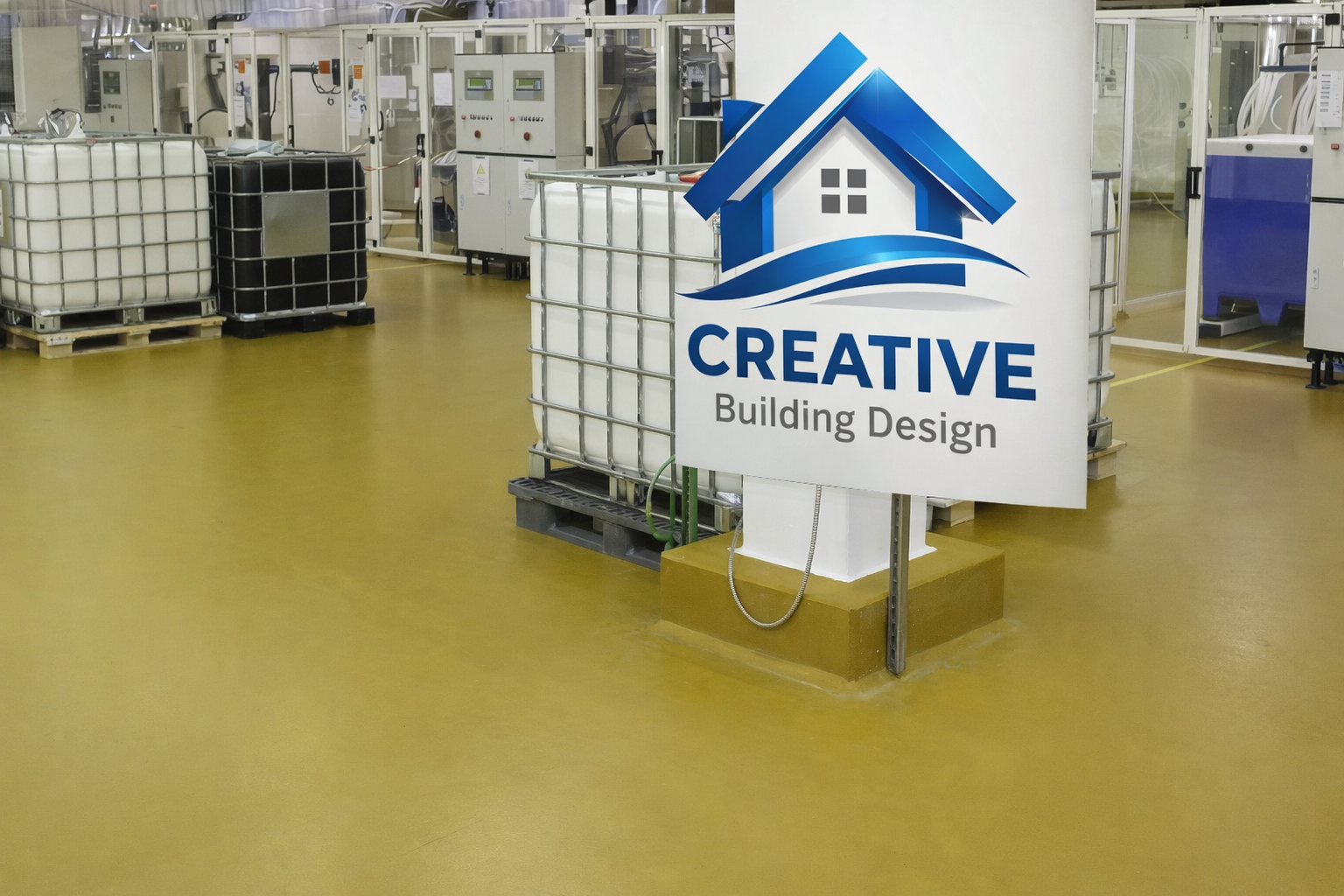
Epoxy flooring has become one of the most popular and reliable flooring solutions across residential, commercial, and industrial environments. Known for its durability, glossy finish, and long-lasting performance, epoxy flooring is a smart investment for anyone looking to enhance both the functionality and aesthetics of a space. Whether it’s a garage, warehouse, hospital, showroom, or home interior, epoxy flooring provides a seamless and highly resistant surface that stands the test of time.
Epoxy is essentially a combination of resin and hardener. When these two components are mixed, a chemical reaction occurs that forms a rigid plastic material. This material bonds extremely well to concrete surfaces, creating a strong, durable, and resistant floor coating. The result is not just a protective layer but a transformative surface that improves the overall look and performance of the floor.
In this comprehensive guide, we will explore everything you need to know about epoxy flooring—from its types, benefits, installation process, and maintenance to cost considerations and why choosing CreativeEpoxyBD.com is the best decision for your flooring needs.
What is Epoxy Flooring?
Understanding the Basics
Epoxy flooring is a surface coating system that is applied over concrete floors to provide protection and decoration. It consists of multiple layers of epoxy resin applied to a floor that is typically at least 2 millimeters thick. When properly installed, epoxy flooring forms a smooth, seamless, and highly durable surface.
How Epoxy Works?
Epoxy flooring works through a chemical bonding process. When resin and hardener are combined, they cure into a rigid plastic material. This material adheres strongly to the concrete surface, creating a bond that is much stronger than traditional paint or sealants.
Epoxy Flooring in Bangladesh
In Bangladesh, the demand for epoxy flooring is growing due to its practical and aesthetic benefits. It is widely used in industries and modern buildings because of the following reasons:
1. High Durability
Epoxy flooring is extremely strong and can handle heavy loads, making it ideal for factories, warehouses, and parking areas.
2. Chemical & Stain Resistance
It resists oil, chemicals, and stains, which is why it is commonly used in hospitals, laboratories, and industrial environments.
3. Seamless & Hygienic Surface
Epoxy creates a smooth, joint-free surface that is easy to clean and prevents dust accumulation—perfect for food industries and healthcare facilities.
4. Modern & Attractive Look
From solid colors to 3D and metallic designs, epoxy flooring offers stylish finishes that enhance interior aesthetics.
5. Low Maintenance
Once installed, epoxy floors require minimal maintenance and can last for many years with proper care.
Types of Epoxy Flooring
Self-Leveling Epoxy Flooring
Self-leveling epoxy is used to create a smooth and even surface over new or old concrete floors. It is ideal for commercial, industrial, and residential spaces such as kitchens, warehouses, and garages.
Decorative Epoxy Flooring
Decorative epoxy flooring includes designs, patterns, and colors that enhance the aesthetic appeal of a space. Metallic epoxy and flake epoxy are popular choices for decorative purposes.
Metallic Epoxy Flooring
Metallic epoxy flooring creates a stunning 3D effect with a glossy finish. It is commonly used in showrooms, luxury homes, and commercial spaces where visual appeal is important.
Epoxy Flake Flooring
This type includes colored flakes added to the epoxy coating to create texture and slip resistance. It is commonly used in garages, gyms, and locker rooms.
Anti-Static Epoxy Flooring
Anti-static epoxy flooring is designed for environments where static electricity must be minimized, such as laboratories and electronic manufacturing facilities.
Epoxy Mortar Flooring
This is the strongest type of epoxy flooring, used in heavy industrial environments where maximum durability is required.
Benefits of Epoxy Flooring:
Durability
Epoxy flooring is incredibly durable and can withstand heavy traffic, machinery, and impact. It is resistant to wear and tear, making it ideal for industrial use.
Chemical Resistance
Epoxy floors are resistant to chemicals such as oils, acids, and solvents. This makes them suitable for factories, laboratories, and garages.
Easy Maintenance
Cleaning epoxy flooring is simple. Its seamless surface prevents dust and dirt from accumulating, making it easy to maintain.
Aesthetic Appeal
With various colors, patterns, and finishes available, epoxy flooring can enhance the look of any space.
Safety
Epoxy flooring can be customized with anti-slip additives, making it safer for both residential and commercial use.
Cost-Effective
Compared to other flooring options, epoxy is relatively affordable and long-lasting, offering excellent value for money.
Epoxy Flooring Installation Process:
Surface Preparation
Proper surface preparation is critical. The concrete must be cleaned, repaired, and free of dust, grease, and moisture.
Primer Application
A primer is applied to ensure strong adhesion between the epoxy and the concrete surface.
Mixing the Epoxy
The resin and hardener are mixed in the correct ratio to initiate the chemical reaction.
Application
The epoxy mixture is applied using rollers or squeegees. Multiple layers may be applied depending on the desired thickness.
Curing
The floor is left to cure for a specified period, usually 24 to 72 hours, depending on the type of epoxy used.
Applications of Epoxy Flooring:
Residential Use
- Garage floors
- Living rooms
- Kitchens
- Basements
Commercial Use
- Retail stores
- Offices
- Showrooms
- Hospitals
Industrial Use
- Factories
- Warehouses
- Manufacturing plants
Maintenance of Epoxy Flooring
Daily Cleaning
Use a soft mop or broom to remove dust and debris.
Deep Cleaning
Occasionally clean with mild detergents and water.
Avoid Harsh Chemicals
Although epoxy is resistant, avoiding harsh chemicals will prolong its lifespan.
Regular Inspection
Check for any damage and repair it promptly to maintain the floor’s integrity.
Cost of Epoxy Flooring
The cost of epoxy flooring depends on several factors:
- Floor size
- Type of epoxy
- Surface condition
- Design complexity
- Labor cost
Despite the initial investment, epoxy flooring is cost-effective due to its durability and low maintenance.
Common Problems and Solutions
Peeling or Delamination
Caused by improper surface preparation. Solution: Proper cleaning and priming.
Bubbles
Caused by trapped air or moisture. Solution: Use proper application techniques.
Discoloration
Caused by UV exposure. Solution: Use UV-resistant coatings.
Environmental Impact
Epoxy flooring is considered environmentally friendly because:
- It reduces the need for frequent replacements
- It minimizes dust and allergens
- It can be applied over existing floors
Why Choose CreativeEpoxyBD.com?
About Us
CreativeEpoxyBD.com is a leading epoxy flooring service provider dedicated to delivering high-quality flooring solutions. With years of experience and a commitment to excellence, we specialize in transforming ordinary floors into extraordinary surfaces.
Our Expertise
At CreativeEpoxyBD.com, we have a team of skilled professionals who are experts in epoxy and polyurethane flooring systems. We use advanced techniques and high-quality materials to ensure long-lasting results.
Our Services
Residential Epoxy Flooring
We provide customized flooring solutions for homes, including garages, living rooms, and kitchens.
Commercial Epoxy Flooring
Our services are ideal for offices, showrooms, and retail spaces, ensuring durability and aesthetic appeal.
Industrial Epoxy Flooring
We offer heavy-duty flooring solutions for factories and warehouses.
Decorative Epoxy Flooring
We create stunning designs with metallic and 3D effects to enhance visual appeal.
Why Choose Us?
Quality Materials
We use only premium-grade epoxy materials to ensure durability and performance.
Skilled Team
Our experienced team ensures precise application and flawless finishes.
Affordable Pricing
We offer competitive pricing without compromising on quality.
Timely Delivery
We complete projects within the agreed timeline.
Customer Satisfaction
Our goal is to exceed customer expectations with every project.
Our Vision:
Our vision is to become the most trusted epoxy flooring company by delivering innovative, durable, and aesthetically pleasing flooring solutions.
Our Mission:
- To provide high-quality epoxy flooring services
- To ensure customer satisfaction
- To use eco-friendly materials
- To continuously improve our techniques
Future of Epoxy Flooring:
The future of epoxy flooring looks promising with advancements in technology. New innovations include:
- Eco-friendly epoxy solutions
- Enhanced durability coatings
- Smart flooring systems
Advanced Technical Insights into Epoxy Flooring:
Chemical Composition and Structure
Epoxy flooring is formed through a thermosetting polymer reaction. The two primary components—epoxide resin and polyamine hardener—undergo a curing process that creates cross-linked polymer chains. This cross-linking is what gives epoxy its exceptional mechanical strength, adhesion, and chemical resistance.
The density of these cross-linked bonds determines the hardness and durability of the final surface. A higher cross-link density results in a stronger, more rigid floor, while lower density formulations can offer flexibility in environments where slight movement is expected.
Thickness and Layer Systems
Epoxy flooring systems vary in thickness depending on their intended use:
Thin Coating (0.5–1 mm)
Used mainly for residential or light-duty commercial spaces. Provides basic protection and aesthetics.
Self-Leveling Systems (1–3 mm)
Ideal for medium-duty environments such as offices and retail spaces.
Heavy-Duty Systems (3–6 mm or more)
Used in industrial settings where floors must withstand heavy machinery, forklifts, and chemical exposure.
Comparison with Other Flooring Types
Epoxy vs Tiles
Tiles can crack, loosen, and collect dirt in grout lines. Epoxy, on the other hand, is seamless and highly durable, eliminating joints where dirt can accumulate.
Epoxy vs Concrete Sealer
Concrete sealers provide minimal protection compared to epoxy. Epoxy forms a thick, protective layer that is resistant to impact, abrasion, and chemicals.
Epoxy vs Vinyl Flooring
Vinyl flooring offers aesthetic appeal but lacks the durability and chemical resistance of epoxy. Epoxy is a better choice for high-traffic and industrial environments.
Design Possibilities with Epoxy Flooring
3D Epoxy Designs
3D epoxy flooring allows you to create stunning visual illusions such as ocean waves, marble textures, or custom artwork. This type of flooring is popular in luxury homes, hotels, and showrooms.
Color Combinations
Epoxy flooring can be customized with a wide range of colors to match branding or interior design themes.
Logo Integration
Businesses can incorporate logos directly into the flooring, enhancing brand identity and professionalism.
Safety Features of Epoxy Flooring
Slip Resistance
Anti-slip additives like quartz sand or aluminum oxide can be added to the epoxy mixture to improve traction.
Fire Resistance
Certain epoxy formulations are fire-resistant, making them suitable for industrial and commercial applications.
Hygienic Surface
Epoxy flooring is non-porous, preventing the growth of bacteria, mold, and fungi. This makes it ideal for hospitals and food processing areas.
Climate Considerations for Epoxy Flooring
High Humidity Environments
In humid regions, moisture can affect epoxy bonding. Moisture barriers and proper surface preparation are essential.
Temperature Sensitivity
Epoxy curing depends on temperature. Low temperatures slow down curing, while high temperatures speed it up.
Step-by-Step Detailed Installation Guide
Step 1: Inspection
Assess the condition of the concrete surface. Identify cracks, moisture issues, and contaminants.
Step 2: Surface Preparation
Grinding or shot blasting is used to remove old coatings and create a rough surface for better adhesion.
Step 3: Crack Repair
Cracks and holes are filled with epoxy filler to ensure a smooth surface.
Step 4: Primer Application
A primer coat enhances adhesion and seals the substrate.
Step 5: Base Coat Application
The main epoxy layer is applied evenly across the surface.
Step 6: Decorative Layer (Optional)
Flakes, pigments, or metallic powders are added for aesthetic effects.
Step 7: Topcoat Application
A protective topcoat is applied to enhance durability and resistance.
Common Mistakes to Avoid
Poor Surface Preparation
This is the most common cause of epoxy failure. Always ensure proper cleaning and profiling.
Incorrect Mixing Ratio
Improper mixing can lead to soft or sticky floors.
Applying in Wrong Conditions
Avoid applying epoxy in extreme temperatures or high humidity without proper precautions.
Innovations in Epoxy Flooring
UV-Resistant Epoxy
New formulations prevent yellowing and discoloration caused by sunlight.
Fast-Curing Epoxy
Advanced products allow for quicker installation and reduced downtime.
Eco-Friendly Epoxy
Low-VOC and solvent-free options are becoming more popular for environmentally conscious projects.
Industrial Use Cases
Manufacturing Plants
Epoxy floors resist chemicals, heavy loads, and abrasion, making them ideal for factories.
Warehouses
Smooth surfaces improve forklift movement and reduce wear.
Pharmaceutical Facilities
Hygienic, seamless surfaces meet strict health standards.
Commercial Use Cases
Retail Stores
Glossy finishes enhance lighting and customer experience.
Restaurants
Easy-to-clean surfaces improve hygiene.
Hospitals
Antibacterial properties make epoxy flooring a preferred choice.
Residential Use Cases
Garage Flooring
Epoxy protects against oil stains and vehicle wear.
Living Spaces
Modern designs add elegance to interiors.
Kitchens
Resistant to spills and easy to clean.
Long-Term Performance and Lifespan
Epoxy flooring can last decades if properly installed and maintained. Factors affecting lifespan include:
- Quality of materials
- Installation expertise
- Traffic levels
- Maintenance practices
Maintenance Best Practices
Preventive Measures
- Use mats at entry points
- Avoid dragging heavy objects
Cleaning Techniques
- Use soft brushes and neutral cleaners
- Avoid abrasive tools
Periodic Recoating
Applying a new topcoat every few years can extend the life of the floor.
Cost Breakdown in Detail
Material Costs
High-quality epoxy materials may cost more but offer better durability.
Labor Costs
Professional installation ensures long-lasting results.
Customization Costs
Designs, colors, and patterns can increase the overall cost.
Sustainability and Eco-Friendliness
Epoxy flooring contributes to sustainability by:
- Reducing waste
- Extending floor lifespan
- Improving energy efficiency through reflective surfaces
Our Process at CreativeEpoxyBD.com
Consultation
We begin by understanding your requirements and recommending suitable solutions.
Site Inspection
Our experts evaluate the site to determine the best approach.
Customized Planning
We design a flooring solution tailored to your needs.
Professional Installation
Our skilled team ensures precise and efficient application.
Final Inspection
We conduct a thorough quality check before project handover.
Why CreativeEpoxyBD.com Stands Out?
Experienced Team
Our professionals bring years of expertise to every project.
Advanced Equipment
We use modern tools and techniques for superior results.
Wide Range of Services
From basic coatings to complex decorative designs, we offer it all.
Strong Client Relationships
We value long-term relationships and repeat clients.
Client Satisfaction and Testimonials:
Our clients appreciate our commitment to quality, timely delivery, and attention to detail. Many of our projects come through referrals, which reflects our dedication to excellence.
Why Choose Epoxy Flooring?
Epoxy flooring has become a top choice for homeowners, businesses, and industrial facilities due to its exceptional performance and modern appearance. Whether you are upgrading a residential space or designing a commercial facility, epoxy flooring offers a wide range of advantages that make it a smart investment.
1. Exceptional Durability
One of the biggest reasons to choose epoxy flooring is its strength. Epoxy creates a hard, impact-resistant surface that can withstand heavy foot traffic, machinery, and daily wear and tear. This makes it ideal for garages, warehouses, factories, and high-traffic commercial areas.
2. Long-Lasting Solution
Unlike traditional flooring options, epoxy flooring is designed to last for many years without significant damage. When properly installed and maintained, it can maintain its quality and appearance for a long time, reducing the need for frequent repairs or replacements.
3. Seamless and Hygienic Surface
Epoxy flooring provides a smooth, joint-free surface that does not trap dust, dirt, or bacteria. This makes it a perfect choice for hospitals, food processing areas, laboratories, and homes where cleanliness is important. Cleaning is simple and requires minimal effort.
4. Chemical and Stain Resistance
Epoxy floors are highly resistant to chemicals, oil, grease, and other spills. This makes them especially useful in industrial environments, garages, and workshops where exposure to harsh substances is common.
5. Attractive and Modern Appearance
Epoxy flooring is not just practical—it is also visually appealing. It comes in a wide variety of colors, patterns, and finishes, including metallic and 3D designs. This allows you to customize the floor to match your interior style and create a unique look.
6. Cost-Effective Option
Compared to many other flooring solutions, epoxy flooring offers excellent value for money. Its durability and low maintenance requirements mean you save on repair and replacement costs over time.
7. Slip-Resistant and Safe
With the addition of anti-slip coatings, epoxy flooring can be made safe for both residential and commercial use. This is particularly important in areas prone to moisture, such as kitchens, bathrooms, and outdoor spaces.
8. Moisture and Water Resistance
Epoxy acts as a protective barrier against moisture, preventing water from seeping into the concrete below. This helps protect the structure and makes it suitable for basements, bathrooms, and industrial environments.
9. Quick Installation
Professional epoxy flooring can be installed relatively quickly compared to many traditional flooring systems. This reduces downtime for businesses and allows you to start using the space sooner.
10. Eco-Friendly Choice
Epoxy flooring can be applied over existing concrete, reducing the need for new materials. Its long lifespan also minimizes waste, making it a more sustainable flooring option.
Suggested applications area for epoxy flooring:
Epoxy flooring is widely used across many industries because of its durability, seamless finish, and resistance to chemicals, moisture, and heavy loads. Below are the most common and effective application areas where epoxy flooring performs exceptionally well:
🏭 Industrial & Manufacturing Facilities
Epoxy flooring is highly suitable for factories, warehouses, and production plants. These environments often deal with heavy machinery, chemical spills, and constant traffic. Epoxy coatings provide a strong, impact-resistant surface that can withstand wear and tear while maintaining safety through anti-slip finishes.
🚗 Garages & Parking Areas
Epoxy is one of the best choices for residential garages and commercial parking lots. It resists oil stains, tire marks, and chemical spills. Its glossy finish also improves lighting visibility, making the space brighter and cleaner.
🏥 Healthcare Facilities
Hospitals, clinics, and laboratories require hygienic and easy-to-clean surfaces. Epoxy flooring creates a seamless, non-porous surface that prevents bacterial growth and contamination, making it ideal for sterile environments.
🛒 Commercial & Retail Spaces
Shopping malls, showrooms, supermarkets, and retail stores benefit from epoxy flooring due to its aesthetic appeal and durability. It can be customized with colors, patterns, and logos to enhance branding while handling high foot traffic.
🍽️ Food & Beverage Industry
Restaurants, food processing plants, and commercial kitchens need flooring that is resistant to moisture, stains, and chemicals. Epoxy flooring meets strict hygiene standards and is easy to clean, making it a top choice for food-related environments.
🏫 Educational Institutions
Schools, colleges, and universities use epoxy flooring in classrooms, laboratories, and hallways. It offers long-lasting performance, low maintenance, and a safe, slip-resistant surface for students and staff.
🏢 Offices & Corporate Buildings
Modern office spaces use epoxy flooring for its sleek, polished appearance. It enhances interior design while providing a durable and low-maintenance surface suitable for daily use.
🏠 Residential Areas
Epoxy flooring is becoming popular in homes, especially in living rooms, kitchens, and basements. Decorative epoxy options like metallic or 3D designs add a luxurious touch while maintaining durability.
🏟️ Sports & Recreational Facilities
Gyms, indoor sports courts, and fitness centers benefit from epoxy flooring due to its shock resistance and slip-resistant properties. It ensures safety while supporting heavy equipment and active use.
✈️ Aviation & Automotive Industries
Hangars, service centers, and auto workshops require floors that can handle heavy loads and chemical exposure. Epoxy flooring provides high resistance to fuels, oils, and mechanical stress.
🌧️ Outdoor & Specialized Areas
Although epoxy is mainly used indoors, specially formulated UV-resistant epoxy can be applied in outdoor spaces like walkways, terraces, and driveways.
Is epoxy suitable for outdoor use?
Epoxy flooring is widely known for its durability, glossy finish, and resistance to chemicals, making it a popular choice for indoor applications such as garages, warehouses, and commercial spaces. However, when it comes to outdoor use, many people wonder whether epoxy is a suitable option. The answer is both yes and no—it depends on several important factors.
One of the main advantages of epoxy is its strong adhesive properties and ability to create a seamless, hard surface. This makes it resistant to heavy traffic, stains, and moisture. In outdoor environments, these qualities can be beneficial, especially in areas like patios, walkways, or driveways. Epoxy coatings can also enhance the appearance of outdoor spaces by providing a clean, polished look.
However, standard epoxy is not always ideal for long-term outdoor use. One major limitation is its sensitivity to ultraviolet (UV) rays. When exposed to direct sunlight for extended periods, epoxy can yellow, fade, or degrade over time. This can affect both the appearance and performance of the coating. For this reason, traditional epoxy systems are generally recommended for indoor or shaded areas rather than open outdoor environments.
Temperature fluctuations are another challenge. Outdoor surfaces are exposed to extreme weather conditions, including heat, cold, rain, and humidity. Epoxy can expand and contract with temperature changes, which may lead to cracking or peeling if the surface is not properly prepared or if the wrong type of epoxy is used. This is especially important in regions with significant seasonal variation.
To make epoxy suitable for outdoor use, professionals often use UV-resistant topcoats or alternative coatings such as polyurethane or polyaspartic systems. These coatings are specifically designed to withstand sunlight and harsh weather conditions. A common approach is to apply an epoxy base coat for strength and adhesion, followed by a UV-stable topcoat to protect against sun damage. This combination provides both durability and long-term aesthetic appeal.
Proper surface preparation is also crucial for outdoor epoxy applications. The concrete surface must be clean, dry, and free from cracks or contaminants. Any existing damage should be repaired before applying the coating. Additionally, using anti-slip additives is recommended for outdoor areas to improve safety, especially in wet conditions.
How to Apply Epoxy Flooring?
Applying epoxy flooring is a step-by-step process that requires proper surface preparation, the right materials, and careful application. Here’s a complete, practical guide you can follow:
🧰 Tools & Materials Needed
- Epoxy resin and hardener
- Concrete cleaner/degreaser
- Floor grinder or sandpaper
- Crack filler or patching compound
- Roller and brushes
- Mixing bucket and drill mixer
- Protective gear (gloves, mask)
🧱 Step 1: Surface Preparation (Most Important)
Proper preparation ensures strong adhesion.
- Clean the floor thoroughly (remove dust, oil, grease)
- Use a degreaser for stubborn stains
- Grind or sand the surface to make it rough
- Repair cracks or holes using filler
- Make sure the floor is completely dry
👉 Tip: Poor surface prep is the #1 reason epoxy fails.
🧪 Step 2: Etching (Optional but Recommended)
- Use an acid solution or mechanical grinding
- This opens up the concrete pores for better bonding
🧴 Step 3: Apply Primer Coat
- Mix the epoxy primer according to instructions
- Apply a thin, even layer using a roller
- Let it cure (usually 6–12 hours)
👉 Primer improves adhesion and reduces air bubbles.
🎨 Step 4: Mix Epoxy Resin
- Mix resin and hardener in the correct ratio
- Use a drill mixer for uniform consistency
- Only mix what you can use within 30–40 minutes
🖌️ Step 5: Apply Epoxy Coating
- Pour the epoxy onto the floor
- Spread evenly with a roller or squeegee
- Work in small sections
👉 For decorative floors:
- Add color flakes, metallic pigments, or quartz
✨ Step 6: Second Coat (Optional)
- Apply another coat for durability and thickness
- Wait for the first coat to partially cure before applying
🛡️ Step 7: Apply Topcoat / Sealer
- Adds protection, gloss, and scratch resistance
- Can be matte, satin, or glossy finish
⏳ Step 8: Curing Time
- Light foot traffic: 24 hours
- Heavy use: 3–7 days
👉 Avoid water and heavy loads during curing.
⚠️ Important Tips
- Ideal temperature: 15°C–30°C
- Ensure proper ventilation
- Follow manufacturer instructions strictly
- Work quickly (epoxy has limited working time)
❌ Common Mistakes to Avoid
- Skipping surface preparation
- Incorrect mixing ratio
- Applying on a wet floor
- Not using primer
- Working too slowly (epoxy hardens fast)
How to Clean Epoxy Floor?
🧹 Daily Cleaning (Basic Maintenance)
For regular upkeep:
- Sweep with a soft broom or use a dust mop
- Remove dirt, dust, and debris to prevent scratches
- Use a microfiber mop for better results
👉 Tip: Dust and sand can act like sandpaper and dull the shine over time.
🧼 Weekly Cleaning (Deep Cleaning)
To keep your epoxy floor looking new:
- Mix warm water + mild detergent (like dish soap)
- Mop the floor gently using a soft mop
- Rinse with clean water to avoid residue
- Let it air dry or wipe with a clean cloth
👉 Avoid strong chemicals unless necessary.
🧴 Removing Stains & Spills
Act quickly for best results:
- Oil/Grease: Use a degreaser and scrub lightly
- Chemical spills: Wipe immediately and rinse with water
- Tough stains: Use a soft scrub pad (never steel wool)
🚫 What NOT to Use
Avoid these to protect your epoxy coating:
- Harsh chemicals (acidic cleaners, bleach in high concentration)
- Abrasive tools (steel wool, hard brushes)
- Soap-based cleaners that leave a cloudy film
- Citrus or vinegar cleaners (can dull the finish over time)
🚿 Monthly / Heavy Cleaning
For garages or industrial floors:
- Use a soft-bristle brush or floor scrubber
- Clean with ammonia solution (small amount mixed with water)
- Rinse thoroughly
👉 This helps remove stubborn dirt and tire marks.
🛡️ Extra Maintenance Tips
- Place mats at entry points to reduce dirt
- Use protective pads under furniture
- Clean spills immediately to prevent staining
- Avoid dragging heavy items across the floor
⚠️ Common Mistakes to Avoid
- Using too much soap (causes slippery surface)
- Not rinsing properly
- Ignoring spills for too long
- Using rough cleaning tools
Types of Popular Epoxy Flooring Products in Bangladesh
1. Self-Leveling Epoxy Flooring (SLE)
- One of the most widely used epoxy products
- Automatically spreads to create a smooth, seamless surface
- Available in multiple colors and finishes
- Suitable for:
- Showrooms
- Hospitals
- Residential interiors
👉 Features:
- Glossy and attractive finish
- Waterproof and anti-slip
- Works on both old and new concrete
2. Epoxy Mortar Flooring
- Heavy-duty industrial flooring solution
- Made by mixing epoxy resin with graded sand/quartz
👉 Best for:
- Factories
- Warehouses
- Pharmaceutical industries
👉 Features:
- Extremely strong and impact-resistant
- Chemical and acid resistant
- Ideal for high-traffic areas
3. Quartz Epoxy Flooring
- Decorative and durable flooring system
- Uses colored quartz aggregates mixed with epoxy
👉 Common applications:
- Schools
- Hospitals
- Commercial kitchens
👉 Features:
- Anti-slip surface
- Highly durable
- Attractive textured finish
4. 3D Epoxy Flooring
- One of the most modern and premium products in Bangladesh
- Uses printed images with transparent epoxy coating
👉 Example product:
- Clear 3D epoxy resin systems available in Bangladesh market
👉 Features:
- High-gloss, decorative finish
- Waterproof and scratch-resistant
- Creates realistic visual effects
5. Metallic Epoxy Flooring
- Luxury decorative flooring with metallic pigments
👉 Popular for:
- Homes
- Hotels
- Offices
👉 Features:
- Unique marble-like or flowing design
- High-end aesthetic appeal
- Seamless and glossy finish
6. Epoxy Flake Flooring
- Contains colored flakes added into epoxy coating
👉 Best for:
- Garages
- Parking areas
- Workshops
👉 Features:
- Anti-slip texture
- Hides surface imperfections
- Durable and stylish
7. Anti-Static (ESD) Epoxy Flooring
Special epoxy designed to control static electricity
👉 Used in:
- Electronics industries
- Laboratories
- Data centers
👉 Features:
- Prevents static discharge damage
- Safe for sensitive equipment
8. Epoxy Coating (Thin Film / Floor Paint)
- Basic and cost-effective epoxy solution
👉 Suitable for:
- Homes
- Light commercial use
👉 Features:
- Easy to apply
- Budget-friendly
- Moderate durability
9. Industrial Self-Leveling Epoxy Systems (Premium Products)
Example from Bangladesh market:
- Dupoxy SL (by Ducon)
- 3-component, solvent-free epoxy system
- High durability and chemical resistance
- Used in industrial environments
🔍 Summary Table
| Type | Best For | Key Benefit |
|---|---|---|
| Self-Leveling Epoxy | Homes, hospitals | Smooth & glossy |
| Epoxy Mortar | Heavy industry | Ultra-strong |
| Quartz Epoxy | Commercial spaces | Anti-slip |
| 3D Epoxy | Luxury interiors | Decorative |
| Metallic Epoxy | High-end design | Premium look |
| Flake Epoxy | Garages | Slip-resistant |
| Anti-static Epoxy | Electronics | Static control |
| Epoxy Coating | Budget projects | Low cost |
What is Residential Epoxy Flooring?
Residential epoxy flooring is a seamless, durable floor coating system made by applying a mixture of epoxy resin and hardener over concrete surfaces in homes. When these components chemically react, they form a strong, glossy, and protective layer that bonds tightly to the floor.
This type of flooring is widely used in modern homes because it offers both functional durability and decorative appeal, making it suitable for various residential spaces.
How Residential Epoxy Flooring Works
Chemical Bonding Process
Epoxy flooring is created by combining resin and hardener, which undergo a chemical reaction. This reaction forms a rigid plastic-like surface that is highly resistant to wear and damage.
Surface Application
The epoxy mixture is applied over a properly prepared concrete floor, where it penetrates and bonds to create a long-lasting finish.
Common Areas for Residential Epoxy Flooring
Garage Floors
One of the most popular uses, epoxy protects against oil stains, tire marks, and heavy loads.
Living Rooms
Decorative epoxy (such as metallic or 3D designs) enhances interior aesthetics with a modern, glossy look.
Kitchens
Epoxy provides a hygienic, easy-to-clean surface that resists spills and stains.
Basements
Its moisture-resistant properties make it ideal for damp or humid environments.
Key Features of Residential Epoxy Flooring
Durability
Epoxy flooring is highly resistant to cracks, impacts, and heavy foot traffic.
Seamless Finish
The surface has no joints or gaps, making it smooth and visually appealing.
Water and Chemical Resistance
It protects floors from water damage, spills, and household chemicals.
Easy Maintenance
Cleaning requires only simple sweeping and occasional mopping.
Types of Residential Epoxy Flooring
Self-Leveling Epoxy
Creates a smooth and even surface, perfect for modern interiors.
Metallic Epoxy
Offers a luxurious, marble-like finish with unique patterns.
Flake Epoxy
Includes decorative flakes for texture and slip resistance, commonly used in garages.
3D Epoxy Flooring
Uses printed images to create visually striking floor designs.
Advantages of Residential Epoxy Flooring
Long-Lasting Performance
With proper installation, epoxy floors can last for many years without major repairs.
Cost-Effective Solution
Compared to tiles or marble, epoxy flooring provides excellent value for money.
Customizable Design
Available in various colors, textures, and finishes to match any home style.
Limitations to Consider
Surface Preparation Required
Proper floor preparation is essential for long-term performance.
Installation Time
The process requires curing time before the floor can be used.
Slippery When Wet
Glossy finishes may become slippery, but anti-slip additives can solve this issue.
How Residential Epoxy Flooring Works
Chemical Bonding Process
Epoxy flooring is created by combining resin and hardener, which undergo a chemical reaction. This reaction forms a rigid plastic-like surface that is highly resistant to wear and damage.
Surface Application
The epoxy mixture is applied over a properly prepared concrete floor, where it penetrates and bonds to create a long-lasting finish.
Common Areas for Residential Epoxy Flooring
Garage Floors
One of the most popular uses, epoxy protects against oil stains, tire marks, and heavy loads.
Living Rooms
Decorative epoxy (such as metallic or 3D designs) enhances interior aesthetics with a modern, glossy look.
Kitchens
Epoxy provides a hygienic, easy-to-clean surface that resists spills and stains.
Basements
Its moisture-resistant properties make it ideal for damp or humid environments.
Key Features of Residential Epoxy Flooring
Durability
Epoxy flooring is highly resistant to cracks, impacts, and heavy foot traffic.
Seamless Finish
The surface has no joints or gaps, making it smooth and visually appealing.
Water and Chemical Resistance
It protects floors from water damage, spills, and household chemicals.
Easy Maintenance
Cleaning requires only simple sweeping and occasional mopping.
Types of Residential Epoxy Flooring
Self-Leveling Epoxy
Creates a smooth and even surface, perfect for modern interiors.
Metallic Epoxy
Offers a luxurious, marble-like finish with unique patterns.
Flake Epoxy
Includes decorative flakes for texture and slip resistance, commonly used in garages.
3D Epoxy Flooring
Uses printed images to create visually striking floor designs.
Advantages of Residential Epoxy Flooring
Long-Lasting Performance
With proper installation, epoxy floors can last for many years without major repairs.
Cost-Effective Solution
Compared to tiles or marble, epoxy flooring provides excellent value for money.
Customizable Design
Available in various colors, textures, and finishes to match any home style.
Limitations to Consider
Surface Preparation Required
Proper floor preparation is essential for long-term performance.
Installation Time
The process requires curing time before the floor can be used.
Slippery When Wet
Glossy finishes may become slippery, but anti-slip additives can solve this issue.
How is Residential Epoxy Flooring Installed?
Residential epoxy flooring installation is a step-by-step process that ensures strong bonding, durability, and a smooth finish. Proper installation is essential to achieve long-lasting results.
Surface Preparation
Cleaning the Floor
The concrete surface must be thoroughly cleaned to remove dust, dirt, oil, and grease. Any contaminants can prevent proper adhesion.
Grinding or Etching
The floor is mechanically ground or acid-etched to create a rough texture. This helps the epoxy bond strongly with the concrete.
Repairing Cracks and Holes
All cracks, chips, or holes are filled with a suitable repair compound to create a smooth base.
Priming the Surface
Applying Primer Coat
A primer is applied to the prepared surface to improve adhesion and reduce air bubbles.
Drying Time
The primer is allowed to dry for several hours before applying the epoxy layer.
Mixing the Epoxy
Resin and Hardener Combination
Epoxy resin and hardener are mixed in the correct ratio as specified by the manufacturer.
Proper Mixing Technique
A mechanical mixer is used to ensure a consistent and uniform mixture without lumps.
Applying the Epoxy Coating
Base Coat Application
The mixed epoxy is poured onto the floor and spread evenly using rollers or squeegees.
Working in Sections
Installers work in small sections to ensure even coverage and prevent premature hardening.
Adding Decorative Elements (Optional)
Color Flakes or Quartz
Decorative flakes or quartz can be broadcast onto the wet epoxy for texture and design.
Metallic or 3D Effects
Special pigments or printed designs can be added for a unique, high-end look.
Applying Additional Coats
Second Coat
A second epoxy layer may be applied for extra thickness and durability.
Topcoat or Sealer
A protective topcoat is added to enhance gloss, scratch resistance, and longevity.
Curing Process
Initial Drying
The floor becomes walkable after approximately 24 hours.
Full Cure
Complete curing takes 3–7 days, depending on temperature and humidity.
Final Inspection
Quality Check
The surface is inspected for smoothness, consistency, and proper finish.
Ready for Use
After curing, the floor is ready for regular residential use.
What are the Different Types of Residential Epoxy Flooring?
Residential epoxy flooring comes in a variety of types, each designed to meet different functional needs and design preferences. Choosing the right type depends on where it will be used and the desired look.
Self-Leveling Epoxy Flooring
Smooth and Seamless Finish
Self-leveling epoxy creates a flat, glossy surface by automatically spreading across the floor.
Best Use
Ideal for living rooms, kitchens, and interior spaces where a clean, modern look is preferred.
Metallic Epoxy Flooring
Decorative and Luxury Appearance
Metallic pigments are mixed into epoxy to create a marble-like or flowing effect.
Best Use
Perfect for bedrooms, living areas, and showpiece spaces where aesthetics matter most.
Epoxy Flake Flooring
Textured and Slip-Resistant
Colored flakes are added to the epoxy to create texture and improve grip.
Best Use
Commonly used in garages, driveways, and outdoor-adjacent areas.
Quartz Epoxy Flooring
Durable and Anti-Slip
This type uses colored quartz aggregates mixed with epoxy for strength and safety.
Best Use
Suitable for kitchens, bathrooms, and areas that require extra slip resistance.
3D Epoxy Flooring
Unique Visual Designs
Printed images are placed under a clear epoxy layer to create a 3D effect.
Best Use
Used in living rooms, bathrooms, or feature areas to create a striking design statement.
Epoxy Mortar Flooring
Heavy-Duty Strength
Made by combining epoxy resin with sand or aggregates, making it extremely strong.
Best Use
Suitable for garages or areas exposed to heavy loads and impact.
Anti-Static Epoxy Flooring
Static Control
Designed to reduce or eliminate static electricity buildup.
Best Use
Ideal for home offices, studios, or spaces with electronic equipment.
Water-Based Epoxy Coating
Budget-Friendly Option
A thinner epoxy coating that is easier to apply and more affordable.
Best Use
Suitable for light-use residential areas or temporary solutions.
Solvent-Based Epoxy Flooring
Strong Adhesion and Durability
Provides a tougher and more resistant surface compared to water-based options.
Best Use
Used in garages or areas requiring higher durability.
Frequently Asked Questions
Can epoxy flooring crack?
Epoxy itself is flexible, but cracks in the underlying concrete can affect it.
How thick should epoxy flooring be?
It depends on usage, typically between 1–5 mm.
Can I install epoxy myself?
DIY is possible, but professional installation ensures better results.
Does epoxy smell during installation?
There may be a mild odor, but it dissipates after curing.
What is the lifespan of epoxy flooring?
Epoxy flooring can last 10–20 years or more with proper maintenance.
Is epoxy flooring slippery?
It can be made slip-resistant with additives.
Can epoxy be applied to old concrete?
Yes, with proper surface preparation.
How long does installation take?
Typically 1–3 days depending on the area.
Is epoxy flooring safe?
Yes, it is safe and can be made non-slip.
Conclusion
Epoxy flooring is a versatile, durable, and cost-effective solution for a wide range of applications. Whether for residential, commercial, or industrial use, it offers unmatched benefits in terms of strength, aesthetics, and longevity.Choosing CreativeEpoxyBD.com ensures that you receive top-quality service, expert installation, and a flooring solution that meets your needs and exceeds your expectations. With a commitment to excellence and customer satisfaction, CreativeEpoxyBD.com is your trusted partner for all epoxy flooring needs.