
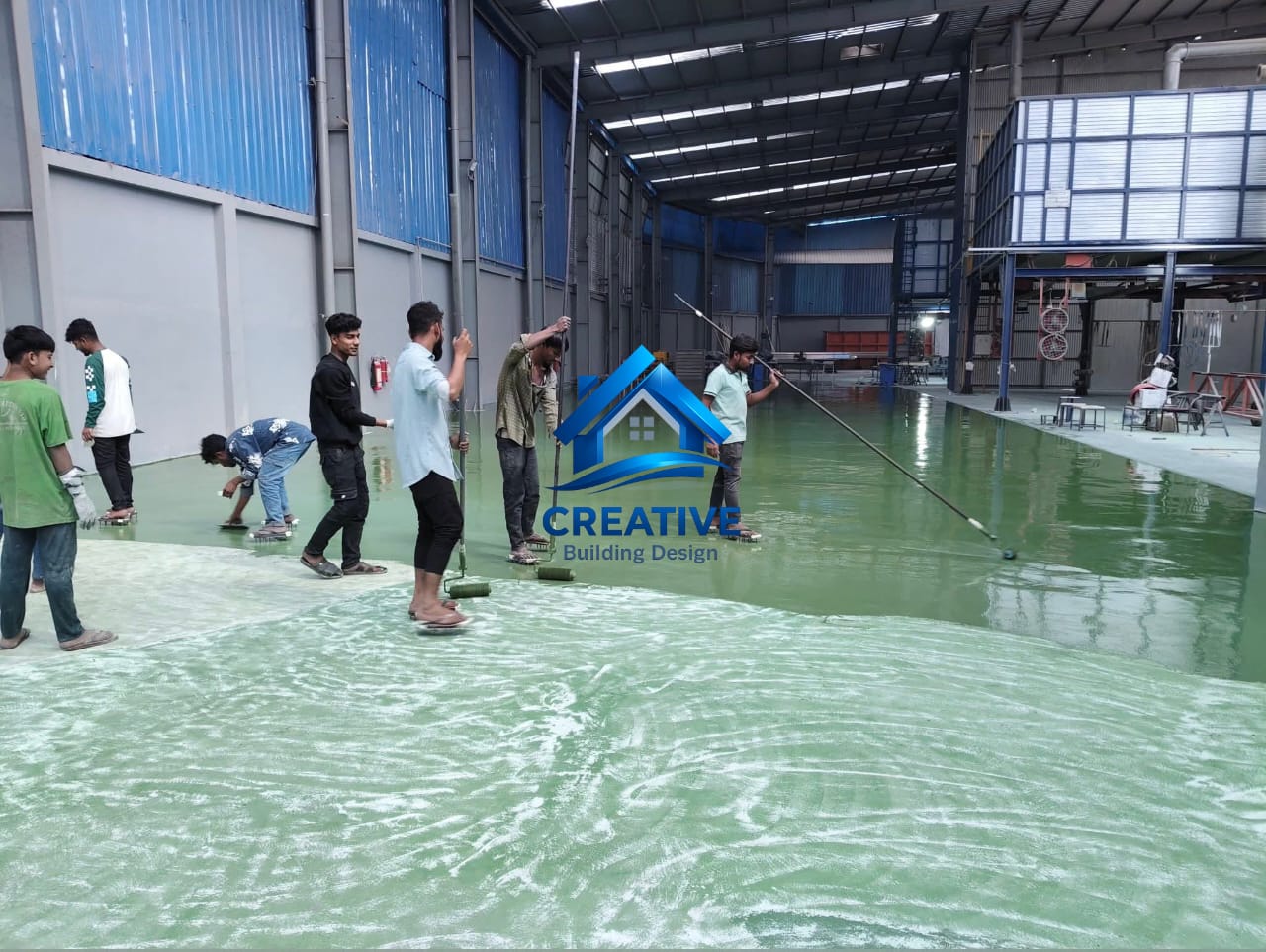
Floor hardener technology plays a crucial role in modern construction and industrial flooring systems. It is widely used to enhance the durability, strength, and wear resistance of concrete floors. Whether in warehouses, factories, parking areas, or commercial buildings, floor hardeners significantly improve surface performance and lifespan. Concrete floors, although strong in compression, are naturally porous and prone to dusting, abrasion, and wear over time. Floor hardeners address these issues by reinforcing the surface layer, making it more resistant to mechanical stress, chemical exposure, and environmental factors. This article provides a detailed exploration of floor hardener technology, including types, working principles, materials, benefits, applications, installation processes, and frequently asked questions.
What is Floor Hardener Technology?
Definition and Concept
Floor hardener technology refers to the use of specialized materials applied to concrete surfaces to increase hardness, durability, and resistance to wear and tear. These materials can be applied either during the concrete finishing stage (dry shake method) or after curing (liquid hardeners).
The primary goal is to create a dense, strong surface that can withstand heavy traffic, impacts, and chemical exposure.
Why Floor Hardening is Necessary
Concrete surfaces are susceptible to:
- Surface dusting
- Abrasion and erosion
- Cracking and scaling
- Moisture penetration
- Chemical attack
Floor hardeners mitigate these issues by strengthening the top layer and sealing pores, resulting in a more robust and long-lasting floor.
Types of Floor Hardeners
Dry Shake Floor Hardeners
Dry shake hardeners are applied to freshly laid concrete before it fully sets. They are broadcast over the surface and then troweled in to create a hard, dense layer.
Key Features
- Applied during concrete placement
- High abrasion resistance
- Ideal for industrial floors
Common Materials
- Quartz
- Emery
- Metallic aggregates
Liquid Floor Hardeners
Liquid hardeners are applied to cured concrete surfaces. They penetrate into the concrete and chemically react to form a harder surface.
Key Features
- Easy application
- Suitable for existing floors
- Dust-proofing capability
Common Compounds
- Sodium silicate
- Lithium silicate
- Potassium silicate
Metallic Floor Hardeners
Metallic hardeners contain iron or steel aggregates and are used in areas with extremely heavy loads.
Key Features
- Extremely high strength
- Suitable for heavy machinery areas
- Long-lasting performance
Non-Metallic Floor Hardeners
These include mineral-based aggregates like quartz and emery.
Key Features
- Rust-free
- Suitable for wet environments
- Good abrasion resistance
Composition of Floor Hardeners
Cement-Based Materials
Cement acts as the binder that holds aggregates together and bonds the hardener to the concrete surface.
Aggregates
Aggregates provide hardness and wear resistance. Different aggregates offer varying levels of durability.
- Quartz: Moderate strength
- Emery: High strength
- Metallic: Very high strength
Chemical Additives
Additives enhance properties such as:
- Workability
- Bond strength
- Setting time
- Chemical resistance
Working Principle of Floor Hardener Technology
Surface Densification
Liquid hardeners react with calcium hydroxide in concrete to form calcium silicate hydrate (C-S-H), which fills pores and increases density.
Abrasion Resistance
Hard aggregates in dry shake hardeners create a tough surface layer that resists wear and tear.
Reduced Porosity
By filling voids and sealing pores, floor hardeners reduce water absorption and chemical penetration.
Advantages of Floor Hardener Technology
Increased Durability
Floor hardeners significantly extend the lifespan of concrete floors by making them resistant to wear and damage.
Improved Load-Bearing Capacity
Hardened floors can withstand heavy machinery, vehicles, and continuous traffic.
Dust-Free Surface
Floor hardeners eliminate dusting, creating a cleaner and safer environment.
Chemical Resistance
Enhanced resistance to oils, chemicals, and cleaning agents.
Cost-Effective Solution
Reduces maintenance and repair costs over time.
Applications of Floor Hardener Technology
Industrial Flooring
Used in factories, warehouses, and manufacturing units where heavy loads and machinery are present.
Commercial Spaces
Shopping malls, showrooms, and offices benefit from durable and aesthetically pleasing floors.
Parking Areas
Provides resistance against vehicle movement and oil spills.
Airports and Logistics Centers
High traffic areas require strong and durable flooring solutions.
Installation Process of Floor Hardeners
Surface Preparation
Proper preparation is essential for effective bonding.
- Cleaning the surface
- Removing dust and debris
- Repairing cracks and defects
Application of Dry Shake Hardeners
- Spread the hardener evenly on fresh concrete
- Allow moisture absorption
- Trowel the surface for smooth finish
Application of Liquid Hardeners
- Apply using spray or roller
- Allow penetration into concrete
- Cure and dry properly
Curing Process
Proper curing ensures maximum strength and durability.
- Maintain moisture levels
- Avoid early traffic
- Follow recommended curing time
Factors Affecting Floor Hardener Performance
Quality of Concrete
The base concrete must be strong and properly mixed.
Application Method
Incorrect application can lead to poor bonding and reduced effectiveness.
Environmental Conditions
Temperature and humidity can affect curing and performance.
Maintenance of Hardened Floors
Regular Cleaning
Use appropriate cleaning agents to maintain surface quality.
Periodic Inspection
Check for cracks or wear and repair promptly.
Reapplication
Liquid hardeners may require reapplication over time.
Common Problems and Solutions
Surface Cracking
Caused by improper curing or application.
Solution: Follow proper curing techniques.
Dusting Issues
Occurs due to weak surface layer.
Solution: Apply liquid hardener for densification.
Uneven Finish
Due to poor application technique.
Solution: Ensure skilled labor and proper tools.
Innovations in Floor Hardener Technology
Nano-Technology
Nano-based hardeners provide deeper penetration and stronger bonding.
Eco-Friendly Solutions
Low VOC and environmentally friendly products are gaining popularity.
Self-Healing Concrete
Advanced materials can repair minor cracks automatically.
Comparison with Other Flooring Technologies
Floor Hardener vs Epoxy Flooring
- Floor hardener: Integrated with concrete
- Epoxy: Surface coating
Floor Hardener vs PU Flooring
- Hardener: High durability
- PU: Flexible and chemical-resistant
Future Trends in Floor Hardener Technology
- Smart flooring systems
- Sustainable materials
- Advanced chemical formulations
Advanced Insights into Floor Hardener Technology
Chemical Reactions in Floor Hardeners
Floor hardener technology is deeply rooted in chemical processes that enhance the internal structure of concrete. In liquid hardeners, especially silicate-based systems, the primary reaction occurs between the silicate compounds and free lime (calcium hydroxide) present in cured concrete.
This reaction produces additional calcium silicate hydrate (C-S-H), which is the same compound responsible for the strength of concrete. As more C-S-H is formed, the internal structure becomes denser and more cohesive. This reduces micro-voids and capillary pores, leading to increased hardness and reduced permeability.
Lithium silicate hardeners are particularly advanced because they penetrate deeper into the concrete and react more uniformly. They also reduce the risk of efflorescence, which is the white powdery residue sometimes seen on concrete surfaces.
Surface Performance Characteristics
Abrasion Resistance
One of the most critical performance indicators of a floor hardener is its ability to resist abrasion. Industrial floors are subjected to constant wear from foot traffic, machinery, and vehicles. Floor hardeners create a dense top layer that significantly reduces surface wear.
Quartz-based systems offer moderate abrasion resistance, while emery and metallic systems provide high to extreme resistance.
Impact Resistance
Impact resistance is essential in environments where heavy objects may fall or where machinery operates continuously. Floor hardeners improve the surface’s ability to absorb and distribute impact forces, reducing the likelihood of cracking or chipping.
Slip Resistance
Contrary to common belief, hardened floors can be designed to maintain good slip resistance. By adjusting the finishing technique and texture, contractors can achieve a balance between smoothness and grip.
In areas such as ramps, parking decks, and wet zones, anti-slip additives may be incorporated.
Environmental and Sustainability Aspects
Eco-Friendly Formulations
Modern floor hardener technology is evolving to meet environmental standards. Many manufacturers now produce low-VOC (Volatile Organic Compounds) hardeners that are safer for both workers and the environment.
Water-based hardeners are also gaining popularity due to their minimal environmental impact.
Energy Efficiency
Hardened concrete floors contribute to energy efficiency in buildings. Their reflective surfaces improve lighting efficiency by reducing the need for artificial lighting. This is especially beneficial in large industrial facilities.
Longevity and Reduced Waste
Because floor hardeners extend the lifespan of concrete floors, they reduce the need for frequent repairs and replacements. This minimizes construction waste and conserves resources over time.
Detailed Installation Best Practices
Timing of Application
For dry shake hardeners, timing is critical. The material must be applied when the concrete has lost its surface bleed water but is still plastic enough to allow proper bonding.
Applying too early can cause dilution, while applying too late can prevent proper integration.
Proper Mixing and Dosage
Using the correct dosage is essential for achieving desired performance. Over-application can lead to surface delamination, while under-application may result in insufficient hardness.
Use of Mechanical Tools
Power trowels are commonly used to achieve a smooth and dense finish. Skilled operators are required to ensure even distribution and proper compaction of the hardener.
Quality Control and Testing
Surface Hardness Testing
Various tests are used to evaluate the effectiveness of floor hardeners, including:
- Mohs hardness test
- Rebound hammer test
- Scratch resistance tests
These tests help ensure that the floor meets required performance standards.
Dust-Proof Testing
Dusting is a common issue in untreated concrete. Hardened floors are tested to ensure minimal dust generation under traffic conditions.
Water Absorption Test
Reduced water absorption indicates effective densification. This is critical for preventing moisture-related damage.
Integration with Other Flooring Systems
Polished Concrete Systems
Floor hardeners are often used as a base for polished concrete floors. After densification, the surface is mechanically polished to achieve a glossy, mirror-like finish.
This combination offers both durability and aesthetics, making it popular in retail and commercial environments.
Coating Compatibility
Hardened surfaces can serve as a base for coatings such as epoxy or polyurethane. However, proper surface preparation is required to ensure adhesion.
Economic Analysis of Floor Hardener Technology
Initial Investment vs Long-Term Savings
While the initial cost of floor hardeners may vary depending on the type and application, the long-term savings are significant.
Reduced maintenance, fewer repairs, and extended lifespan result in lower overall lifecycle costs.
Reduced Downtime
In industrial settings, downtime can be costly. Durable flooring minimizes the need for frequent repairs, ensuring uninterrupted operations.
Safety Considerations
Worker Safety During Application
Proper safety measures must be followed during installation:
- Use of protective gear
- Adequate ventilation
- Safe handling of chemicals
Operational Safety
Hardened floors contribute to safer working environments by:
- Reducing dust
- Improving visibility
- Minimizing slip hazards
Global Standards and Specifications
International Standards
Floor hardener applications often comply with international standards such as:
- ASTM (American Society for Testing and Materials)
- BS (British Standards)
- ISO (International Organization for Standardization)
These standards ensure quality, safety, and performance.
Regional Considerations
Climate Impact
In hot climates, rapid evaporation can affect curing. In cold climates, delayed setting can impact application timing.
Proper planning and material selection are necessary to address these challenges.
Availability of Materials
Local availability of aggregates and chemicals can influence the choice of floor hardener type.
Common Myths About Floor Hardeners
Floor Hardeners Make Floors Completely Crack-Proof
While floor hardeners improve surface strength, they do not prevent structural cracking caused by poor design or subgrade issues.
All Floor Hardeners Are the Same
Different types offer varying levels of performance. Selecting the right type is crucial for achieving desired results.
Floor Hardeners Require No Maintenance
Although low-maintenance, periodic cleaning and inspection are still necessary.
Further Expansion on Floor Hardener Technology
Structural Role of Floor Hardeners in Concrete Systems
Floor hardener technology does not simply act as a surface improvement—it plays a structural role in enhancing the microstructure of concrete. Concrete is composed of cement paste, aggregates, and water. While aggregates provide bulk strength, the cement matrix governs surface durability. Floor hardeners strengthen this matrix at the top layer, which is the most vulnerable zone of a concrete slab.
This top layer, often called the “wearing layer,” is exposed to the highest stress concentrations. Without reinforcement, micro-cracks begin forming due to repetitive loading cycles. Floor hardeners reduce this risk by increasing surface cohesion and reducing micro-void propagation.
In high-performance industrial floors, this densified layer can significantly delay fatigue failure, extending service life under continuous loading conditions.
Microstructure Enhancement Mechanism
Pore Refinement Process
One of the most important effects of floor hardener technology is pore refinement. Concrete naturally contains capillary pores formed during hydration. These pores allow the ingress of water, salts, and chemicals.
Liquid hardeners chemically react with calcium hydroxide and produce additional C-S-H gel, which fills these pores. As a result:
- Permeability decreases
- Density increases
- Surface hardness improves
This transformation is not just surface-level—it extends a few millimeters into the slab depending on product quality and application method.
Reduction of Micro-Cracking
Micro-cracks often develop due to shrinkage, thermal movement, and mechanical stress. Floor hardeners help reduce micro-crack formation by:
- Increasing surface tensile strength
- Improving internal cohesion
- Reducing moisture movement
This is particularly important in warehouses and logistics centers where vibration from forklifts and pallet trucks is constant.
Advanced Industrial Applications
Heavy Manufacturing Plants
In heavy manufacturing environments, floors are exposed to:
- Steel impact
- Oil and lubricant exposure
- Continuous vibration
- Heavy rolling loads
Metallic floor hardeners are commonly used here due to their superior impact resistance. These floors are engineered to withstand extreme mechanical stress without surface deformation.
Cold Storage Facilities
Cold storage environments introduce unique challenges:
- Thermal contraction and expansion
- Moisture condensation
- Freeze-thaw cycles
Floor hardener technology helps stabilize the surface and reduce damage caused by temperature fluctuations. Non-metallic hardeners are preferred due to their resistance to corrosion and moisture-related degradation.
Automotive Workshops and Garages
In automotive environments, floors must resist:
- Oil spills
- Fuel exposure
- Hydraulic fluid leakage
- Abrasion from tools and jacks
Floor hardeners provide a chemically resistant surface that prevents staining and deterioration. They also reduce dust, improving air quality in enclosed workshop environments.
Interaction with Concrete Mix Design
Importance of Water-Cement Ratio
The effectiveness of floor hardeners is closely linked to the water-cement ratio of the base concrete. A lower water-cement ratio produces:
- Denser concrete
- Fewer voids
- Higher compressive strength
This enhances the performance of floor hardeners because there are fewer defects for them to compensate for.
Aggregate Grading Influence
Well-graded aggregates contribute to a more compact concrete structure. Poor grading leads to segregation and weak zones, which reduce the effectiveness of surface hardening systems.
Surface Finishing Technologies
Power Trowel Finishing
Power troweling is essential in dry shake applications. It compresses the hardener into the surface, ensuring:
- Proper bonding
- Smooth finish
- High surface density
Experienced operators can significantly influence the final performance of the floor.
Polished Concrete Integration
Floor hardener technology is a foundational element in polished concrete systems. The process typically includes:
- Hardener application
- Grinding with diamond abrasives
- Progressive polishing stages
- Sealing for protection
This combination creates a highly durable, reflective surface used in modern commercial architecture.
Chemical Resistance Performance
Resistance to Acids and Alkalis
While floor hardeners significantly improve chemical resistance, their performance depends on the type used:
- Silicate hardeners: Moderate resistance
- Dense metallic systems: High physical resistance but limited chemical resistance
- Hybrid systems: Improved overall resistance
For aggressive chemical environments, additional protective coatings may still be required.
Oil and Grease Resistance
Floor hardeners reduce absorption of oils and greases by sealing surface pores. However, long-term exposure may still require cleaning or supplementary sealing systems.
Thermal Performance of Hardened Floors
Heat Resistance
Hardened concrete floors can withstand moderate heat exposure without degradation. This makes them suitable for:
- Industrial kitchens
- Manufacturing zones
- Mechanical workshops
However, extreme thermal shock conditions may require specialized refractory flooring systems.
Thermal Conductivity Benefits
Concrete naturally has good thermal mass. Floor hardeners enhance surface integrity without significantly affecting thermal conductivity, making them suitable for energy-efficient building designs.
Surface Gloss and Aesthetic Enhancement
Natural Sheen Development
One of the modern advantages of floor hardener technology is its compatibility with polished concrete aesthetics. As the surface is mechanically refined, it develops a natural gloss without synthetic coatings.
This is highly desirable in:
- Retail spaces
- Showrooms
- Airports
- Modern offices
Color Enhancement Compatibility
Although floor hardeners are typically neutral in color, they can enhance the visual depth of stained or dyed concrete surfaces.
Maintenance Science of Hardened Floors
Cleaning Methods
Proper maintenance ensures long-term performance:
- Neutral pH cleaners are recommended
- Avoid acidic cleaning agents
- Use microfiber or mechanical scrubbers for large areas
Wear Pattern Analysis
Over time, floors develop wear patterns based on traffic flow. Monitoring these patterns helps in:
- Predictive maintenance
- Early repair planning
- Load redistribution strategies
Failure Mechanisms in Floor Hardener Systems
Surface Delamination
This occurs when:
- Hardener is applied too early or too late
- Improper troweling is done
- Base concrete is weak
Uneven Hardening
Caused by inconsistent application or poor surface preparation. This results in patchy performance and visible surface inconsistencies.
Engineering Design Considerations
Load Calculation Factors
Engineers consider:
- Static loads
- Dynamic loads
- Point loads from machinery
Floor hardener selection depends on these calculations.
Joint Design Integration
Expansion joints must be properly aligned to prevent cracking. Floor hardeners do not eliminate the need for structural joints.
Future Engineering Trends
Smart Sensor-Embedded Floors
Emerging systems integrate sensors into concrete floors to monitor:
- Load stress
- Temperature changes
- Structural integrity
Floor hardener technology will play a role in protecting these embedded systems.
AI-Optimized Flooring Systems
Artificial intelligence is being used to:
- Predict wear patterns
- Optimize maintenance schedules
- Improve material selection
FAQs About Floor Hardener Technology
What is the main purpose of floor hardener technology?
Floor hardener technology is primarily designed to improve the durability, strength, and wear resistance of concrete surfaces. Concrete, although inherently strong, tends to develop surface weaknesses over time due to environmental exposure, mechanical stress, and continuous usage. Floor hardeners act as a protective layer that reinforces the surface, preventing dust formation, cracking, and premature wear.
The main purpose is to create a dense and robust surface that can withstand heavy loads and harsh conditions. This is especially important in industrial environments where floors are exposed to machinery, forklifts, and chemical spills. By enhancing the surface hardness, these technologies reduce maintenance needs and extend the life of the floor.
Additionally, floor hardeners improve the overall appearance of the surface by providing a smooth and uniform finish. This is beneficial in commercial spaces where aesthetics are also important. The dust-proof nature of hardened floors also contributes to a cleaner and safer working environment.
Another key purpose is moisture resistance. By reducing porosity, floor hardeners prevent water and chemicals from penetrating the concrete, thereby minimizing damage and deterioration. This is particularly useful in areas exposed to moisture, such as basements and parking structures.
In summary, the main purpose of floor hardener technology is to enhance performance, durability, safety, and aesthetics of concrete flooring systems, making them suitable for a wide range of applications.
How long does a floor hardener last?
The lifespan of a floor hardener depends on several factors, including the type of hardener used, the quality of the base concrete, the application method, and the level of usage. In general, floor hardeners are designed to provide long-term durability and can last for many years with proper maintenance.
Dry shake floor hardeners, when applied correctly during the concrete finishing stage, can last as long as the concrete itself. These systems become an integral part of the floor and offer excellent resistance to wear and abrasion. In industrial settings, such floors can remain functional for decades.
Liquid floor hardeners, on the other hand, may require periodic reapplication depending on traffic and environmental conditions. However, modern lithium-based hardeners offer extended performance and can last for several years before needing re-treatment.
Maintenance plays a crucial role in determining lifespan. Regular cleaning, avoiding harsh chemicals, and timely repairs can significantly extend the effectiveness of the hardener. Neglecting maintenance can lead to surface degradation and reduced performance.
Environmental factors such as temperature fluctuations, moisture exposure, and chemical spills also impact longevity. Floors in harsh environments may experience faster wear and require additional protection.
Overall, with proper installation and maintenance, floor hardeners can provide a durable and cost-effective flooring solution that lasts for many years, making them a valuable investment in construction projects.
Can floor hardeners be applied to old concrete floors?
Yes, floor hardeners can be applied to existing or old concrete floors, especially in the form of liquid hardeners. This makes them a versatile solution for upgrading and restoring worn-out surfaces without the need for complete replacement. Before application, proper surface preparation is essential. The old concrete must be thoroughly cleaned to remove dirt, oil, grease, and any existing coatings. Mechanical methods such as grinding or shot blasting are often used to ensure a clean and porous surface for better penetration. Cracks and damaged areas should be repaired prior to applying the hardener. This ensures a uniform surface and prevents further deterioration. Once the surface is prepared, the liquid hardener is applied using a spray or roller. The hardener penetrates the concrete and reacts chemically to form a denser and stronger surface. This process not only improves hardness but also reduces dusting and enhances resistance to wear and chemicals. Applying floor hardeners to old floors is a cost-effective way to extend their lifespan and improve performance. It is commonly used in warehouses, factories, and commercial spaces undergoing renovation.
What is the difference between metallic and non-metallic floor hardeners?
Metallic and non-metallic floor hardeners differ primarily in their composition, performance characteristics, and areas of application. Understanding these differences is essential for selecting the right type of hardener for a specific project. Metallic floor hardeners contain metal aggregates such as iron or steel. These aggregates provide extremely high strength and abrasion resistance, making them suitable for heavy-duty industrial environments. They are commonly used in areas with heavy machinery, impact loads, and continuous traffic. However, metallic hardeners have some limitations. They are prone to rusting when exposed to moisture, which can affect both appearance and performance. Therefore, they are not recommended for wet environments or areas exposed to water and chemicals.
Non-metallic floor hardeners, on the other hand, use mineral aggregates such as quartz, emery, or corundum. These materials provide excellent hardness and durability without the risk of rusting. They are suitable for a wide range of applications, including wet and humid environments. Non-metallic hardeners are also more versatile and commonly used in commercial and residential projects. They offer good abrasion resistance and are easier to maintain compared to metallic systems. In terms of cost, metallic hardeners are generally more expensive due to their high-performance characteristics. Non-metallic options provide a more economical solution for general-purpose applications.
Is floor hardener better than epoxy flooring?
The choice between floor hardener technology and epoxy flooring depends on the specific requirements of the project. Both systems have their advantages and are suited for different applications. Floor hardeners are integrated into the concrete surface, either during or after construction. They enhance the inherent properties of concrete, making it stronger and more durable. This makes them ideal for heavy-duty industrial applications where strength and wear resistance are critical.
Epoxy flooring, on the other hand, is a surface coating applied on top of concrete. It provides a smooth, glossy finish and excellent chemical resistance. Epoxy is widely used in environments where aesthetics and hygiene are important, such as hospitals, laboratories, and showrooms.
One key difference is durability under heavy impact. Floor hardeners tend to perform better in high-load environments because they become part of the concrete itself. Epoxy coatings can chip or peel under extreme stress if not properly applied. Maintenance is another factor. Floor hardeners require minimal maintenance and are less likely to show wear over time. Epoxy floors may require periodic recoating to maintain their appearance and performance. In terms of cost, floor hardeners are generally more cost-effective for large industrial areas, while epoxy may involve higher installation and maintenance costs. Ultimately, the choice depends on factors such as usage, budget, environmental conditions, and aesthetic preferences. In some cases, both systems can be used together for optimal performance.
How do liquid floor hardeners improve concrete strength?
Liquid floor hardeners improve concrete strength through a chemical densification process. When applied to a cured concrete surface, these hardeners penetrate deep into the pores and react with calcium hydroxide, a byproduct of cement hydration. This reaction forms additional calcium silicate hydrate (C-S-H), which is responsible for the strength and integrity of concrete. As the C-S-H gel fills the micro-pores and voids within the concrete, the structure becomes denser and more compact. This reduces porosity and increases the overall hardness of the surface. The densified surface is more resistant to abrasion, impact, and chemical attack. Another important benefit is the reduction of dusting. Untreated concrete often releases fine particles due to surface wear. Liquid hardeners bind these particles, creating a dust-free surface that is safer and cleaner.
The penetration depth of the hardener plays a crucial role in its effectiveness. Advanced formulations, such as lithium silicate, penetrate deeper and react more completely, providing long-lasting results. Additionally, liquid hardeners improve moisture resistance by sealing capillary pores. This prevents water and chemicals from entering the concrete, reducing the risk of damage.
What factors should be considered before choosing a floor hardener?
Selecting the right floor hardener involves evaluating several critical factors to ensure optimal performance and cost-effectiveness. One of the most important considerations is the intended use of the floor. Industrial environments with heavy machinery require high-strength solutions like metallic or emery-based hardeners, while commercial spaces may benefit from quartz-based systems. The condition of the concrete is another key factor. New concrete allows for the use of dry shake hardeners, while existing floors typically require liquid hardeners. Surface preparation requirements should also be taken into account.
Environmental conditions play a significant role in material selection. Areas exposed to moisture, chemicals, or temperature fluctuations require specialized formulations that can withstand these conditions. Traffic load is also crucial. Floors subjected to heavy traffic need higher abrasion resistance. Understanding the type and frequency of traffic helps in choosing the appropriate hardener. Budget considerations cannot be overlooked. While high-performance systems may have higher initial costs, they often provide better long-term value through reduced maintenance and longer lifespan. Compatibility with other flooring systems is another important aspect. If additional coatings or finishes are planned, the hardener must be compatible to ensure proper adhesion.
Can floor hardeners be used in residential projects?
Yes, floor hardeners can be effectively used in residential projects, although they are more commonly associated with industrial and commercial applications. In residential settings, they are particularly useful in garages, basements, driveways, and outdoor areas where durability and wear resistance are important. In garages, for example, floors are exposed to vehicle traffic, oil spills, and mechanical wear. Applying a floor hardener can significantly improve resistance to these factors, extending the lifespan of the surface.
Basements benefit from reduced moisture penetration and dusting. Hardened floors are easier to clean and maintain, making them ideal for living spaces or storage areas. In modern residential design, polished concrete floors are becoming increasingly popular. Floor hardeners play a crucial role in these systems by providing the necessary density and strength for polishing. Outdoor applications such as driveways and patios also benefit from improved abrasion resistance and durability. However, it is important to select a hardener that is suitable for exposure to weather conditions. While floor hardeners may not offer the decorative appeal of some coatings, they provide a practical and cost-effective solution for enhancing concrete performance in residential environments.
How does floor hardener technology compare in cost over time?
When evaluating the cost of floor hardener technology, it is important to consider both initial investment and long-term expenses. While some types of hardeners may have a moderate upfront cost, they offer significant savings over time.
The primary advantage is reduced maintenance. Hardened floors are less prone to wear, cracking, and dusting, which minimizes the need for repairs and cleaning. This translates into lower maintenance costs over the lifespan of the floor. Another factor is durability. Floors treated with high-quality hardeners can last for decades without major issues. This eliminates the need for frequent replacement, which can be costly and disruptive. In industrial environments, reduced downtime is a major economic benefit. Durable floors require fewer repairs, allowing operations to continue without interruption. Energy savings also contribute to cost efficiency. Reflective surfaces improve lighting conditions, reducing electricity consumption in large facilities. Compared to alternative flooring systems like epoxy or tiles, floor hardeners often provide a more cost-effective solution for large areas. While coatings may require periodic reapplication, hardeners become part of the concrete and offer long-lasting performance.
What are the latest innovations in floor hardener technology?
Floor hardener technology continues to evolve with advancements in materials science and construction techniques. One of the most significant innovations is the development of nano-technology-based hardeners. These products use nano-sized particles to penetrate deeper into the concrete, resulting in superior densification and strength.
Lithium silicate formulations represent another major advancement. Compared to traditional sodium or potassium silicates, lithium-based hardeners offer better penetration, faster reaction, and reduced risk of surface defects such as efflorescence. Hybrid systems that combine densifiers with sealers are also gaining popularity. These products provide both internal strengthening and surface protection, offering enhanced performance. Sustainability is a key focus area. Manufacturers are developing eco-friendly products with low VOC emissions and reduced environmental impact. Water-based formulations are becoming more common. Self-healing concrete technology is another exciting development. Although still in early stages, this technology involves materials that can automatically repair minor cracks, extending the lifespan of floors. Digital tools and automation are also improving installation processes. Advanced equipment ensures precise application and consistent results.
Why do industrial floors fail even after applying floor hardeners?
Industrial floors can fail even after applying floor hardeners due to several underlying structural and application-related issues. One of the most common reasons is poor base concrete quality. If the underlying slab has a high water-cement ratio, improper compaction, or weak subgrade support, the surface hardener cannot compensate for these deficiencies. It only improves the top layer, not the entire structural integrity of the floor.
Another critical factor is improper application timing. In dry shake systems, applying the hardener too early can cause it to mix excessively with bleed water, weakening the surface. Applying it too late can prevent proper bonding, leading to delamination. Environmental conditions during curing also play a major role. Rapid evaporation in hot climates or excessive moisture in humid environments can affect hydration, leading to surface instability. Heavy mechanical overload beyond design limits is another cause. Even high-performance hardened floors have load limits, and exceeding them leads to cracking and surface failure. Lack of proper joint design and spacing can also result in uncontrolled cracking. Floor hardeners do not eliminate the need for structural expansion joints. Finally, inadequate maintenance, such as exposure to harsh chemicals or lack of cleaning, can degrade performance over time. Therefore, floor failure is usually a combination of design, material, and operational factors rather than a failure of the hardener itself.
What is the role of curing in floor hardener technology?
Curing is one of the most critical stages in floor hardener technology because it directly affects hydration, strength development, and surface durability. Concrete curing refers to maintaining adequate moisture, temperature, and time conditions to allow complete hydration of cement particles.
Without proper curing, even the best floor hardener system cannot perform effectively. During curing, calcium silicate hydrate (C-S-H) forms, which is responsible for concrete strength. If moisture is lost too quickly, hydration stops prematurely, resulting in weak and porous surfaces. For dry shake systems, curing ensures that the hardener integrates fully into the concrete surface. If curing is inadequate, surface cracking, dusting, and delamination can occur. In liquid hardener systems, curing allows the chemical reaction between silicates and calcium hydroxide to proceed fully. This reaction is essential for pore refinement and densification. Different curing methods include water curing, curing compounds, and plastic sheet covering. Each method aims to reduce moisture loss and maintain a stable environment for chemical reactions. The duration of curing depends on environmental conditions and concrete mix design, but typically ranges from several days to weeks.
Can floor hardeners improve old damaged industrial floors permanently?
Floor hardeners can significantly improve old damaged industrial floors, but whether the improvement is permanent depends on the severity of damage and underlying structural conditions. If the damage is primarily surface-related, such as dusting, abrasion, or minor porosity, liquid floor hardeners can provide long-term or even permanent improvement by densifying the surface and sealing pores. However, if the floor has deep structural issues such as settlement cracks, subgrade failure, or major spalling, floor hardeners alone cannot provide a permanent solution. In such cases, structural repair or slab replacement is necessary before applying any hardening system. When applied correctly on a sound substrate, liquid silicate hardeners can extend the life of old floors by many years. They improve abrasion resistance, reduce dusting, and enhance chemical resistance.
For heavily worn industrial floors, a combination of grinding, repair, and hardener application is often used. This process restores surface integrity and improves performance without full reconstruction. The key factor is diagnosis. A proper assessment determines whether the floor is suitable for hardening treatment or requires deeper structural intervention. Therefore, floor hardeners are highly effective for restoration but not a universal fix for all types of damage.
What is the future potential of floor hardener technology in construction?
The future of floor hardener technology in construction is highly promising due to advancements in material science, sustainability requirements, and smart infrastructure development. One major direction is the integration of nano-materials that enhance penetration depth and chemical reactivity. These nano-enhanced systems provide stronger and more uniform densification. Another important trend is sustainability. Future floor hardeners are expected to be fully eco-friendly, with zero VOC emissions and recyclable components. This aligns with global green building standards such as LEED and BREEAM. Smart flooring systems are also emerging. These systems integrate sensors into concrete structures to monitor load stress, temperature changes, and structural health. Floor hardener technology will play a protective role in maintaining these embedded systems. Automation in application is another future development. Robotic and AI-assisted tools will ensure more precise and consistent application, reducing human error and improving performance outcomes. Additionally, hybrid flooring systems combining hardeners with coatings and self-healing materials will become more common. These systems will offer multi-layer protection and extended lifespan.
Conclusion
Floor hardener technology is an essential component of modern flooring solutions, offering unmatched durability, strength, and cost efficiency. From industrial warehouses to commercial spaces, it provides a reliable method to enhance the performance of concrete floors. With advancements in materials and application techniques, floor hardeners continue to evolve, offering better performance and sustainability. Whether for new construction or renovation, investing in floor hardener technology ensures long-lasting and high-quality flooring systems.
Leave a Reply