
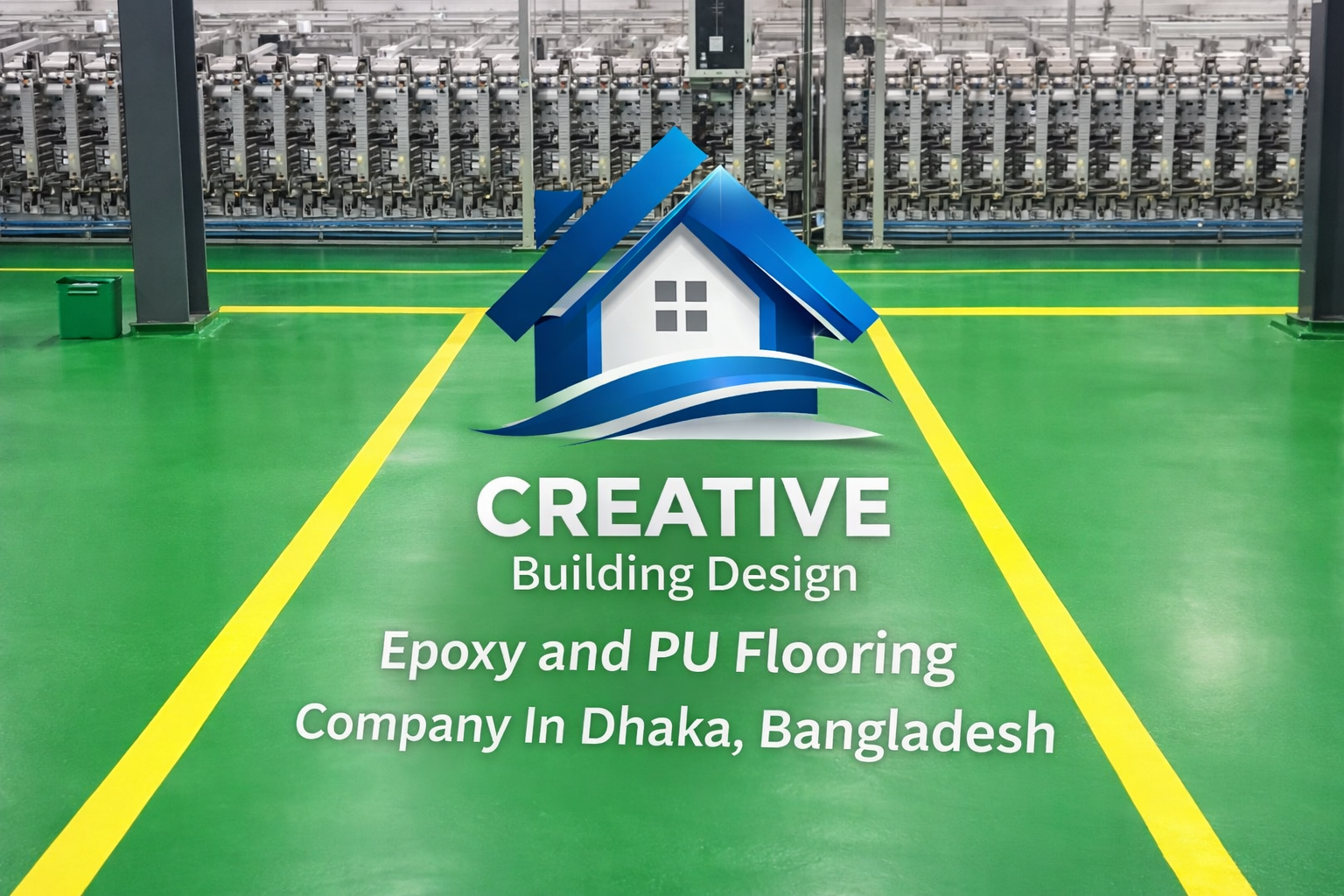
Epoxy flooring has become one of the most popular flooring solutions in Bangladesh due to its durability, aesthetic appeal, and long-lasting performance. Whether for industrial, commercial, or residential spaces, epoxy contractors play a crucial role in delivering high-quality flooring systems. An epoxy contractor in Bangladesh is responsible for surface preparation, material selection, proper application, and ensuring the finished floor meets industry standards.
With the rapid growth of construction projects in Bangladesh, the demand for professional epoxy contractors is increasing. From factories and warehouses to hospitals and homes, epoxy flooring is widely used because of its resistance to chemicals, moisture, and heavy loads.
What Does an Epoxy Contractor Do?
An epoxy contractor specializes in installing epoxy coatings on floors and surfaces. Their work involves multiple stages that require skill, experience, and precision.
Surface Preparation
Before applying epoxy, the contractor ensures the surface is clean, dry, and free of dust or grease. Grinding or shot blasting is often used to create a rough surface for better adhesion.
Crack and Damage Repair
Any cracks or holes in the concrete are repaired using suitable fillers to ensure a smooth and even base.
Primer Application
A primer is applied to enhance adhesion between the concrete and epoxy coating.
Epoxy Coating Application
Multiple layers of epoxy are applied depending on the type of flooring system required.
Finishing and Sealing
The contractor applies a topcoat to provide additional protection and enhance the appearance.
Types of Epoxy Flooring Services in Bangladesh
Epoxy contractors in Bangladesh offer a variety of flooring solutions depending on the client’s needs.
Industrial Epoxy Flooring
Industrial epoxy flooring is designed for heavy-duty environments such as factories and warehouses. It provides high resistance to chemicals, abrasion, and impact.
Commercial Epoxy Flooring
Used in shopping malls, offices, and showrooms, commercial epoxy flooring focuses on aesthetics as well as durability.
Residential Epoxy Flooring
Homeowners are increasingly choosing epoxy flooring for garages, kitchens, and living areas due to its modern look and easy maintenance.
Decorative Epoxy Flooring
Decorative epoxy includes metallic, flake, and 3D designs that enhance the visual appeal of spaces.
Self-Leveling Epoxy Flooring
This type of flooring is used to create a smooth and seamless surface, ideal for areas requiring hygiene and cleanliness.
Benefits of Hiring a Professional Epoxy Contractor
Hiring a professional epoxy contractor in Bangladesh ensures high-quality results and long-term performance.
Expertise and Experience
Professional contractors have the knowledge and experience to handle different types of flooring projects.
Use of High-Quality Materials
They use premium-grade epoxy products that ensure durability and performance.
Proper Equipment
Professional contractors use advanced tools and machinery for precise application.
Time Efficiency
Experienced contractors complete projects efficiently without compromising quality.
Warranty and Support
Many contractors offer warranties and after-sales support for their services.
Why Epoxy Flooring is Popular in Bangladesh?
Epoxy flooring has gained popularity in Bangladesh for several reasons.
Durability
Epoxy floors can withstand heavy traffic and harsh conditions.
Low Maintenance
They are easy to clean and require minimal maintenance.
Cost-Effective
Although the initial cost may be higher, epoxy flooring offers long-term savings.
Aesthetic Appeal
Available in various colors and designs, epoxy flooring enhances the appearance of any space.
Chemical Resistance
Ideal for industrial environments where exposure to chemicals is common.
Choosing the Right Epoxy Contractor in Bangladesh
Selecting the right contractor is essential for achieving the desired results.
Check Experience
Look for contractors with a proven track record.
Review Portfolio
Examine previous projects to assess quality.
Customer Reviews
Read reviews and testimonials from past clients.
Material Quality
Ensure the contractor uses high-quality epoxy products.
Pricing and Transparency
Choose a contractor who provides clear and detailed pricing.
Common Challenges in Epoxy Flooring Projects
Epoxy flooring projects can face several challenges if not handled properly.
Poor Surface Preparation
Improper preparation can lead to peeling or cracking.
Moisture Issues
Excess moisture can affect adhesion and durability.
Incorrect Mixing Ratio
Improper mixing of epoxy components can lead to weak coatings.
Environmental Conditions
Temperature and humidity can impact the curing process.
Maintenance Tips for Epoxy Floors
Proper maintenance extends the lifespan of epoxy flooring.
Regular Cleaning
Sweep and mop the floor regularly to remove dirt and debris.
Avoid Harsh Chemicals
Use mild cleaning agents to maintain the surface.
Protect from Heavy Impact
Avoid dropping heavy objects that may damage the coating.
Periodic Inspection
Check for any signs of wear and address them promptly.
Future of Epoxy Flooring in Bangladesh
The future of epoxy flooring in Bangladesh looks promising due to increasing awareness and demand. With advancements in technology, new types of epoxy coatings are being introduced, offering better performance and aesthetics.
As the construction industry continues to grow, epoxy contractors will play a vital role in delivering durable and attractive flooring solutions.
About Us – Creative Epoxy BD
Who We Are
Creative Epoxy BD (www.creativeepoxybd.com) is a leading epoxy flooring service provider in Bangladesh, dedicated to delivering high-quality flooring solutions for residential, commercial, and industrial clients. With years of experience in the industry, we have built a strong reputation for excellence, reliability, and customer satisfaction.
Our Mission
Our mission is to provide durable, innovative, and aesthetically pleasing epoxy flooring solutions that meet the unique needs of our clients. We aim to exceed expectations by using the best materials and advanced techniques.
Our Services
We offer a wide range of epoxy flooring services, including industrial epoxy flooring, decorative epoxy, self-leveling flooring, and customized designs. Our team ensures every project is completed with precision and care.
Why Choose Creative Epoxy BD
We stand out because of our commitment to quality, experienced professionals, and customer-focused approach. We use premium-grade materials and modern equipment to deliver long-lasting results.
Our Commitment
At Creative Epoxy BD, we are committed to delivering projects on time and maintaining the highest standards of workmanship. Customer satisfaction is our top priority, and we strive to build long-term relationships with our clients.
Turnkey Epoxy Flooring Solutions
Professional epoxy contractors in Bangladesh now offer complete turnkey solutions, meaning clients receive end-to-end services without needing multiple vendors. From initial consultation and site inspection to final handover, everything is handled by a single experienced team. This ensures better coordination, faster completion, and higher quality control.
Turnkey services include:
- Site evaluation and moisture testing
- Surface grinding and preparation
- Material selection and customization
- Application and curing
- Final inspection and maintenance guidance
Specialized Epoxy Coating Systems
Epoxy contractors in Bangladesh provide various specialized systems tailored for different industries.
Anti-Static Epoxy Flooring
Used in electronics manufacturing units and laboratories, anti-static epoxy flooring prevents the buildup of static electricity, protecting sensitive equipment.
Food-Grade Epoxy Flooring
Food processing plants require hygienic flooring solutions. Food-grade epoxy is resistant to bacteria and easy to sanitize, making it ideal for such environments.
Chemical-Resistant Coatings
Industries dealing with harsh chemicals use epoxy coatings designed to resist corrosion and chemical damage.
Waterproof Epoxy Systems
These are ideal for basements, water tanks, and areas prone to moisture exposure.
Industries That Use Epoxy Contractors in Bangladesh
Epoxy contractors serve a wide range of industries due to the versatility of epoxy flooring.
Manufacturing Industry
Factories require durable flooring that can withstand heavy machinery and constant use.
Healthcare Sector
Hospitals and clinics prefer epoxy flooring because it is seamless and easy to clean, helping maintain hygiene standards.
Pharmaceutical Industry
Epoxy flooring is used in cleanrooms where contamination control is critical.
Retail and Shopping Malls
Commercial spaces benefit from the glossy and attractive finish of epoxy flooring.
Automotive Industry
Garages and workshops use epoxy flooring for its resistance to oil, grease, and heavy loads.
Step-by-Step Epoxy Flooring Installation Process
Understanding the installation process helps clients appreciate the importance of hiring professionals.
Inspection and Assessment
Contractors inspect the site to evaluate the condition of the concrete and identify any issues.
Surface Grinding
Grinding removes old coatings and creates a rough surface for better adhesion.
Crack Repair
Damaged areas are repaired to ensure a smooth base.
Primer Application
A primer coat is applied to improve bonding.
Base Coat Application
The main epoxy layer is applied evenly across the surface.
Design Layer (Optional)
Decorative elements such as flakes or metallic pigments are added.
Topcoat Application
A protective topcoat is applied for durability and shine.
Curing Time
The floor is left to cure for a specified period before use.
Common Mistakes to Avoid When Hiring an Epoxy Contractor
Choosing the wrong contractor can lead to poor results and additional costs.
Ignoring Experience
Always choose contractors with proven experience in epoxy flooring projects.
Choosing Low-Cost Options
Cheap services often use low-quality materials, leading to early failure.
Lack of Proper Equipment
Ensure the contractor uses modern tools for preparation and application.
No Warranty
Avoid contractors who do not provide warranties for their work.
Environmental Impact of Epoxy Flooring
Epoxy flooring is considered environmentally friendly when installed and maintained properly.
Low Waste Generation
Epoxy coatings reduce the need for frequent replacements, minimizing waste.
Energy Efficiency
Reflective epoxy surfaces improve lighting efficiency, reducing electricity consumption.
Long Lifespan
Durable flooring reduces the need for repairs and replacements, conserving resources.
Custom Design and Branding with Epoxy Flooring
Modern epoxy contractors in Bangladesh offer customized designs that reflect brand identity.
Logo Integration
Businesses can incorporate logos into their flooring design.
Color Customization
Epoxy flooring can be customized to match corporate colors.
3D Epoxy Flooring
Advanced techniques allow for stunning 3D visual effects.
Safety Features in Epoxy Flooring
Safety is a major concern in industrial and commercial environments.
Anti-Slip Coatings
These reduce the risk of accidents in wet areas.
Fire Resistance
Certain epoxy coatings offer fire-resistant properties.
Line Marking
Epoxy can be used to create clear markings for safety and organization.
Cost Factors for Epoxy Contractors in Bangladesh
Several factors influence the overall cost of epoxy flooring.
Area Size
Larger areas generally reduce cost per square foot.
Surface Condition
Damaged surfaces require additional preparation, increasing costs.
Type of Epoxy
Different types of epoxy systems have varying costs.
Design Complexity
Custom designs and patterns add to the overall expense.
Epoxy vs Traditional Flooring
Epoxy flooring offers several advantages over traditional flooring options.
Durability Comparison
Epoxy is more durable than tiles and concrete.
Maintenance Comparison
Requires less maintenance compared to other flooring types.
Cost Efficiency
Long-term savings make epoxy a cost-effective solution.
Technology and Innovation in Epoxy Flooring
The epoxy industry in Bangladesh is evolving with new technologies.
UV-Resistant Epoxy
Prevents yellowing when exposed to sunlight.
Fast-Curing Systems
Reduces downtime during installation.
Eco-Friendly Formulations
Low-VOC epoxy products are becoming more popular.
Latest Trends in Epoxy Contractors in Bangladesh
Rise of Smart Flooring Solutions
In recent years, epoxy contractors in Bangladesh have started integrating smart flooring technologies into their services. These include floors embedded with sensors for temperature monitoring, anti-bacterial coatings, and advanced wear indicators. Such innovations are especially useful in industrial and healthcare environments where monitoring conditions is essential.
Growth of 3D and Metallic Epoxy Flooring
Decorative epoxy flooring is becoming increasingly popular in Bangladesh. Metallic epoxy creates a luxurious, marble-like effect, while 3D epoxy flooring offers visually striking designs that give depth and realism. These options are widely used in showrooms, restaurants, and high-end residential projects.
Increased Demand for Eco-Friendly Epoxy
With growing environmental awareness, many clients now prefer low-VOC and eco-friendly epoxy solutions. Contractors are adapting by using sustainable materials that reduce environmental impact without compromising performance.
Tools and Equipment Used by Epoxy Contractors
Surface Preparation Equipment
Proper surface preparation is critical for successful epoxy application. Contractors use machines such as:
- Floor grinders
- Shot blasters
- Scarifiers
These tools ensure the surface is rough enough for strong adhesion.
Mixing and Application Tools
Epoxy contractors use specialized mixers to achieve the correct resin-to-hardener ratio. Application tools include:
- Rollers
- Squeegees
- Trowels
Each tool is selected based on the type of epoxy system being applied.
Safety Equipment
Professional contractors prioritize safety by using:
- Protective gloves
- Respirators
- Safety goggles
This ensures both worker safety and compliance with regulations.
Training and Certification for Epoxy Contractors
Importance of Skilled Labor
Epoxy flooring requires technical knowledge and hands-on experience. Skilled contractors understand how to handle materials, manage environmental conditions, and ensure proper curing.
Certification Programs
Although formal certification programs are still developing in Bangladesh, many contractors receive training from international epoxy manufacturers. This helps them stay updated with global standards and best practices.
Continuous Learning
Top epoxy contractors invest in continuous training to keep up with new technologies, materials, and application techniques.
Climate Considerations for Epoxy Flooring in Bangladesh
Impact of Humidity
Bangladesh has a humid climate, which can affect epoxy curing. Contractors must carefully control moisture levels to ensure proper bonding.
Temperature Sensitivity
Epoxy materials react differently depending on temperature. High temperatures can speed up curing, while low temperatures can slow it down.
Seasonal Challenges
Monsoon seasons bring additional challenges, such as increased moisture and delayed curing times. Experienced contractors plan projects accordingly to avoid issues.
Epoxy Flooring for Export-Oriented Industries
Compliance with International Standards
Many factories in Bangladesh produce goods for export and must meet international standards. Epoxy flooring helps maintain cleanliness, safety, and durability required by global buyers.
Cleanroom Applications
Epoxy flooring is widely used in cleanrooms where contamination control is critical. Seamless surfaces prevent dust accumulation and are easy to sanitize.
Load-Bearing Capacity
Industrial epoxy floors are designed to handle heavy machinery and constant traffic, making them ideal for export-oriented manufacturing units.
Comparison of Epoxy Contractors vs DIY Installation
Professional Contractors
Hiring professional epoxy contractors ensures:
- Proper surface preparation
- Correct material usage
- Long-lasting results
- Warranty and support
DIY Installation
While DIY epoxy kits are available, they often lack durability and professional finish. Common issues include uneven coating, bubbles, and poor adhesion.
Cost vs Value
Although DIY may seem cheaper initially, professional installation provides better value in the long run due to durability and reduced maintenance.
Epoxy Flooring Thickness and Layers
Standard Thickness Levels
Epoxy flooring thickness varies depending on application:
- Thin coating: 0.5mm to 1mm
- Self-leveling: 2mm to 3mm
- Heavy-duty systems: 4mm to 6mm or more
Importance of Layering
Multiple layers improve durability and performance. Each layer serves a specific purpose, such as bonding, leveling, or protection.
Custom Thickness Solutions
Contractors can customize thickness based on the client’s requirements and usage conditions.
Color Psychology in Epoxy Flooring
Industrial Color Choices
Factories often use neutral colors like grey and green for a clean and professional look.
Commercial Design Trends
Retail spaces use vibrant colors to attract customers and enhance branding.
Residential Preferences
Homeowners prefer modern tones such as white, beige, and metallic finishes for a stylish appearance.
Common Defects in Epoxy Flooring and Solutions
Air Bubbles
Caused by improper mixing or application. Professionals use de-aeration techniques to prevent this.
Peeling and Delamination
Occurs due to poor surface preparation or moisture issues. Proper grinding and moisture control solve this problem.
Discoloration
Exposure to UV light can cause yellowing. UV-resistant coatings are used to prevent this.
Uneven Surface
Improper leveling can lead to uneven floors. Self-leveling epoxy systems provide smooth finishes.
Epoxy Flooring for Outdoor Applications
Limitations of Standard Epoxy
Traditional epoxy is not ideal for outdoor use due to UV sensitivity.
Use of UV-Resistant Coatings
Special epoxy formulations are available for outdoor applications to prevent fading and damage.
Alternative Solutions
In some cases, contractors recommend polyurethane coatings for better outdoor performance.
Project Timeline for Epoxy Contractors
Small Projects
Residential projects can be completed within 2–3 days.
Medium Projects
Commercial spaces may take 4–7 days depending on complexity.
Large Industrial Projects
Large-scale projects can take several weeks, including preparation and curing time.
Warranty and Service Agreements
Types of Warranties
Professional epoxy contractors offer warranties covering:
- Material defects
- Workmanship
- Performance
Service Agreements
Some contractors provide maintenance contracts to ensure long-term performance.
Safety Regulations and Compliance in Bangladesh
Workplace Safety Standards
Epoxy contractors must follow safety guidelines to protect workers and occupants.
Use of Protective Gear
Proper safety equipment is essential during installation.
Ventilation Requirements
Adequate ventilation is necessary to ensure safe working conditions.
Long-Term Value of Epoxy Flooring
Return on Investment
Epoxy flooring provides excellent ROI due to its durability and low maintenance.
Increased Property Value
High-quality flooring enhances the overall value of a property.
Reduced Maintenance Costs
Minimal upkeep reduces long-term expenses.
Final Thoughts on Epoxy Contractors in Bangladesh
Growing Industry Demand
The epoxy flooring industry in Bangladesh is expanding rapidly due to increasing awareness and construction growth. Professional epoxy contractors are becoming essential for delivering durable and high-quality flooring solutions.
Importance of Choosing the Right Contractor
Selecting a skilled and experienced contractor ensures long-lasting results and minimizes future issues. Proper installation, quality materials, and expert knowledge are key factors for successful epoxy flooring projects.
Future Opportunities
With advancements in technology and increasing demand for modern flooring solutions, epoxy contractors in Bangladesh have significant growth opportunities. From industrial applications to luxury residential designs, epoxy flooring continues to evolve as a preferred choice across the country.
FAQs About Epoxy Contractor In Bangladesh
How do I know if my floor is suitable for epoxy coating?
Determining whether your floor is suitable for epoxy coating requires a detailed assessment of several critical factors, including the condition of the concrete, moisture levels, and overall structural integrity. A professional epoxy contractor will typically begin with a thorough inspection of the surface to identify any underlying issues that could affect the performance of the coating.
One of the most important aspects is the strength of the concrete substrate. Epoxy coatings bond best to solid, well-cured concrete surfaces. If the concrete is weak, powdery, or deteriorating, it may not provide a reliable base for epoxy. In such cases, surface strengthening treatments or partial replacement may be required before installation.
Moisture content is another key consideration. Excessive moisture trapped within the concrete can cause the epoxy coating to fail, leading to bubbling, peeling, or delamination over time. Contractors often perform moisture tests using specialized equipment such as moisture meters or calcium chloride tests to ensure that the slab is within acceptable limits.
Surface contamination is also evaluated. Oil, grease, dust, or previous coatings can interfere with proper adhesion. These contaminants must be completely removed through mechanical grinding or chemical cleaning before epoxy application.
Even if your floor has minor imperfections like cracks, holes, or uneven areas, it can still be suitable for epoxy. These issues can be repaired using fillers and leveling compounds to create a smooth and uniform surface. Ultimately, with proper preparation and professional evaluation, most concrete floors can be made suitable for epoxy coating.
Can epoxy flooring be applied over old tiles?
Yes, epoxy flooring can be applied over old tiles, but the process requires careful preparation and evaluation to ensure long-term success. The first step is to check whether the existing tiles are securely bonded to the substrate. Loose or damaged tiles must be removed and repaired before proceeding.
The surface of the tiles must be thoroughly cleaned to remove dirt, grease, wax, or any other contaminants that could affect adhesion. After cleaning, the tiles are usually mechanically roughened through grinding or sanding to create a textured surface that allows the epoxy to bond effectively.
Grout lines between tiles can pose a challenge, as they may create an uneven surface. Contractors often fill these joints to create a smooth and level base before applying the epoxy coating. This step is essential for achieving a seamless finish.
While applying epoxy over tiles is possible, many professionals recommend removing the tiles entirely and applying epoxy directly to the concrete substrate. This approach generally provides better durability and long-term performance. However, when tile removal is not practical due to cost or time constraints, high-quality bonding primers and proper preparation can make tile-over-epoxy applications successful.
What is the difference between epoxy and polyurethane flooring?
Epoxy and polyurethane (PU) flooring are both high-performance coating systems, but they differ significantly in their properties, applications, and performance characteristics. Understanding these differences helps in choosing the right solution for specific needs.
Epoxy flooring is known for its exceptional hardness, strong adhesion, and high compressive strength. It forms a rigid surface that can withstand heavy loads, making it ideal for industrial environments such as factories, warehouses, and garages. Epoxy also offers excellent resistance to chemicals, oils, and abrasions.
Polyurethane flooring, on the other hand, is more flexible and elastic. This flexibility allows it to absorb impacts and accommodate slight movements in the substrate without cracking. PU flooring is particularly suitable for environments where temperature fluctuations are common, as it can expand and contract without damage.
Another key difference is UV resistance. Epoxy coatings tend to yellow or fade when exposed to direct sunlight over time, whereas polyurethane coatings have better UV stability and are more suitable for outdoor applications.
In Bangladesh, epoxy flooring is more widely used due to its affordability and durability. However, polyurethane flooring is often chosen for specialized applications where flexibility, UV resistance, and thermal stability are required.
How soon can I use the floor after installation?
The time required before you can use an epoxy floor depends on several factors, including the type of epoxy system used, environmental conditions, and the thickness of the coating. Generally, epoxy flooring goes through multiple curing stages, each allowing different levels of usage.
In most cases, light foot traffic is permitted after approximately 24 hours. This means people can walk on the surface carefully without causing damage. However, this does not mean the floor has fully cured.
For moderate use, such as moving light equipment or furniture, it is usually recommended to wait 48 to 72 hours. During this time, the epoxy continues to harden and gain strength.
Heavy usage, including vehicle traffic or industrial operations, typically requires a full curing period of 3 to 7 days. In some cases, especially with thicker coatings or lower temperatures, full curing may take even longer.
Environmental conditions such as temperature and humidity play a significant role in curing time. Higher temperatures generally accelerate curing, while cooler conditions can slow it down. Professional contractors provide specific guidelines based on the project to ensure optimal performance and longevity.
Is epoxy flooring resistant to water and humidity?
Epoxy flooring is highly resistant to water and humidity, making it an excellent choice for environments with high moisture levels. Once properly installed, epoxy creates a seamless, non-porous surface that prevents water from penetrating the underlying concrete.
This waterproof characteristic makes epoxy flooring ideal for areas such as basements, bathrooms, kitchens, and industrial facilities where moisture exposure is common. It also helps prevent the growth of mold and bacteria, contributing to a cleaner and more hygienic environment.
However, the effectiveness of epoxy in resisting water depends heavily on proper installation. If the concrete substrate contains excessive moisture or if the surface is not adequately prepared, water vapor can build up beneath the coating and cause issues such as bubbling or peeling.
To address this, contractors often use moisture-resistant primers or specialized waterproof epoxy systems designed for high-humidity conditions. Proper sealing of joints and edges is also essential to ensure complete protection.
In climates like Bangladesh, where humidity levels are often high, professional installation and moisture control are critical to achieving long-lasting performance.
Can epoxy flooring be repaired?
Yes, epoxy flooring can be repaired, and one of its advantages is that it allows for relatively easy maintenance and restoration compared to many other flooring systems. The type and extent of repair depend on the level of damage.
For minor issues such as scratches, scuffs, or small chips, simple touch-up solutions can be applied. These involve cleaning the affected area and applying a new layer of epoxy to restore the surface.
For more significant damage, such as deep cracks, peeling, or delamination, partial resurfacing may be required. This process involves removing the damaged section, preparing the surface again, and reapplying the epoxy coating.
In cases where the damage is extensive, a complete re-coating may be necessary. This includes grinding the entire surface and applying a new epoxy system.
Regular maintenance, including cleaning and periodic inspections, helps identify problems early and reduces the need for major repairs. Hiring experienced contractors ensures that repairs are carried out effectively and that the floor maintains its durability and appearance.
Does epoxy flooring fade over time?
Epoxy flooring can fade or discolor over time, particularly when exposed to direct sunlight for extended periods. This is mainly due to ultraviolet (UV) radiation, which can cause the epoxy to yellow or lose its original color.
Standard epoxy coatings are not inherently UV-resistant, which makes them more suitable for indoor applications where sunlight exposure is limited. In outdoor or sunlit areas, prolonged exposure can gradually affect the appearance of the floor.
To address this issue, UV-resistant epoxy or polyurethane topcoats are often used. These coatings are specifically designed to withstand sunlight and maintain their color and clarity over time.
In addition to UV exposure, factors such as chemical spills, heavy traffic, and improper cleaning methods can also contribute to discoloration. Regular maintenance and the use of protective coatings can help preserve the appearance of epoxy flooring.
By selecting the right materials and ensuring proper installation, fading can be minimized, allowing the floor to maintain its aesthetic appeal for many years.
Is epoxy flooring eco-friendly?
Modern epoxy flooring systems are increasingly designed to be environmentally friendly, making them a sustainable choice for various applications. Many epoxy products now contain low levels of volatile organic compounds (VOCs), which reduces harmful emissions during installation and improves indoor air quality.
One of the key environmental benefits of epoxy flooring is its durability. Because epoxy floors can last for many years without needing replacement, they reduce the consumption of raw materials and minimize waste generation.
Additionally, epoxy flooring can be applied over existing concrete surfaces, eliminating the need for new materials and reducing construction waste. Its seamless and non-porous nature also makes it easy to clean, reducing the need for harsh chemical cleaners.
Energy efficiency is another advantage. The reflective surface of epoxy flooring can improve lighting conditions in a space, reducing the need for additional lighting and lowering energy consumption.
Overall, when installed and maintained properly, epoxy flooring is a sustainable and eco-friendly solution that aligns with modern environmental standards.
What is epoxy flooring and why is it used?
Epoxy flooring is a high-performance surface coating created by mixing resin and hardener to form a strong, durable material that bonds tightly to concrete. Once cured, it creates a seamless and non-porous surface that offers exceptional strength and resistance.
It is widely used because of its ability to withstand heavy loads, chemical exposure, and constant wear. This makes it ideal for industrial environments such as factories, warehouses, and production facilities.
In commercial spaces, epoxy flooring is valued for its aesthetic appeal. It can be customized with different colors, patterns, and finishes to create visually attractive environments.
In residential settings, epoxy flooring is becoming popular for garages, kitchens, and living areas due to its modern look and ease of maintenance.
Its versatility, durability, and cost-effectiveness make epoxy flooring a preferred choice across various sectors in Bangladesh.
How long does epoxy flooring last?
The lifespan of epoxy flooring depends on several factors, including the quality of materials used, the level of surface preparation, and the type of usage. On average, epoxy flooring can last between 10 to 20 years.
In residential environments with light foot traffic, epoxy floors can last even longer with proper care. In contrast, industrial settings with heavy machinery and constant use may experience more wear, but regular maintenance can significantly extend the lifespan.
Factors such as exposure to chemicals, UV light, and moisture can also affect durability. Using high-quality materials and protective topcoats helps enhance performance and longevity.
Routine maintenance, including cleaning and periodic inspections, plays a crucial role in preserving the condition of the floor. When installed by experienced professionals, epoxy flooring provides long-lasting value and reliability.
Is epoxy flooring suitable for homes in Bangladesh?
Epoxy flooring is highly suitable for homes in Bangladesh and is becoming increasingly popular among homeowners. Its seamless and modern appearance adds a stylish touch to residential interiors.
One of the main advantages is its resistance to moisture, which is particularly important in Bangladesh’s humid climate. Epoxy flooring also resists stains, making it ideal for kitchens and dining areas.
In garages, epoxy flooring provides a durable surface that can withstand vehicle traffic, oil spills, and heavy loads. In living spaces, decorative epoxy options such as metallic or 3D finishes create unique and visually appealing designs.
Another benefit is easy maintenance. The smooth surface does not trap dust or dirt, making cleaning simple and efficient.
Overall, epoxy flooring offers a combination of durability, aesthetics, and practicality, making it an excellent choice for residential applications.
How much does epoxy flooring cost in Bangladesh?
The cost of epoxy flooring in Bangladesh varies depending on several factors, including the size of the area, the condition of the existing surface, and the type of epoxy system used.
Basic epoxy coatings are generally more affordable, while advanced systems such as self-leveling, metallic, or decorative epoxy can be more expensive due to additional materials and labor.
Surface preparation is another important cost factor. Floors that require extensive repair, grinding, or moisture treatment will increase the overall cost.
Customization options, such as color designs, patterns, or branding elements, also add to the price. Additionally, the thickness of the epoxy layer and the number of coats applied can influence the total cost.
While epoxy flooring may have a higher initial cost compared to traditional flooring options, its durability and low maintenance requirements make it a cost-effective investment in the long run.
Can epoxy flooring crack or peel?
Epoxy flooring can crack or peel if it is not installed correctly or if certain conditions are not met. One of the most common causes is poor surface preparation. If the concrete is not properly cleaned and roughened, the epoxy may not adhere properly.
Moisture is another major factor. Excess moisture within the concrete can create pressure beneath the coating, leading to bubbling and peeling.
Structural movement or cracks in the concrete substrate can also cause the epoxy to crack over time. Using flexible coatings or repairing the substrate beforehand can help prevent this issue.
Low-quality materials and incorrect mixing ratios can weaken the epoxy, making it more prone to failure.
Hiring experienced professionals and using high-quality materials significantly reduces the risk of cracking or peeling, ensuring a durable and long-lasting floor.
How long does installation take?
The installation time for epoxy flooring depends on the size of the project, the condition of the surface, and the complexity of the design. For small residential areas, the process can typically be completed within 2 to 3 days.
Medium-sized commercial projects may take 4 to 7 days, while large industrial installations can take several weeks.
The process includes multiple stages such as surface preparation, crack repair, primer application, epoxy coating, and curing. Each stage requires sufficient time to ensure proper bonding and durability.
Curing time is a critical part of the process and cannot be rushed. Allowing the epoxy to fully cure ensures maximum strength and performance.
Professional contractors plan the project timeline carefully to minimize disruption while maintaining high-quality results.
Is epoxy flooring slippery?
Epoxy flooring can be slippery, especially when wet or when a high-gloss finish is used. However, this issue can be easily addressed by incorporating anti-slip additives into the coating.
These additives create a textured surface that improves traction and reduces the risk of slipping. This is particularly important in areas such as kitchens, bathrooms, and industrial spaces where safety is a priority.
Different levels of slip resistance can be achieved depending on the application. For example, industrial environments may require higher traction compared to residential spaces.
Proper cleaning and maintenance also help maintain slip resistance. Removing oil or debris from the surface reduces the likelihood of accidents.
With the right materials and installation techniques, epoxy flooring can be both safe and visually appealing.
How do I maintain epoxy flooring?
Maintaining epoxy flooring is relatively simple and requires minimal effort compared to other flooring types. Regular cleaning is the most important aspect of maintenance.
Sweeping or vacuuming the floor removes dust and debris that could cause scratches. Mopping with a mild detergent helps keep the surface clean and shiny.
It is important to avoid using harsh chemicals or abrasive cleaning tools, as these can damage the coating over time. Soft cleaning tools and non-acidic cleaners are recommended.
Spills should be cleaned promptly to prevent staining or slipping hazards. In industrial environments, regular inspections help identify any signs of wear or damage.
Periodic re-coating or applying a protective top layer can extend the lifespan of the floor and maintain its appearance.
With proper care and maintenance, epoxy flooring can remain durable, attractive, and functional for many years.
Final Words:
Epoxy flooring has emerged as one of the most reliable and modern flooring solutions in Bangladesh, and the role of professional epoxy contractors is more important than ever. From industrial factories and commercial spaces to residential homes, epoxy coatings provide a perfect combination of durability, functionality, and visual appeal.
Choosing the right epoxy contractor is the key to achieving long-lasting results. A skilled contractor ensures proper surface preparation, uses high-quality materials, and follows the correct application process. These factors directly impact the performance, lifespan, and overall finish of the flooring. Poor workmanship or low-quality materials can lead to issues such as peeling, cracking, or uneven surfaces, which ultimately increase maintenance costs.
The growing demand for epoxy flooring in Bangladesh reflects the country’s rapid development in construction and infrastructure. As more businesses and homeowners become aware of its benefits, epoxy flooring continues to gain popularity as a cost-effective and high-performance solution.
Moreover, advancements in technology and materials are making epoxy flooring even more versatile. With options like decorative finishes, anti-slip coatings, and eco-friendly formulations, epoxy contractors are now قادر to meet a wide range of customer needs.
Leave a Reply