
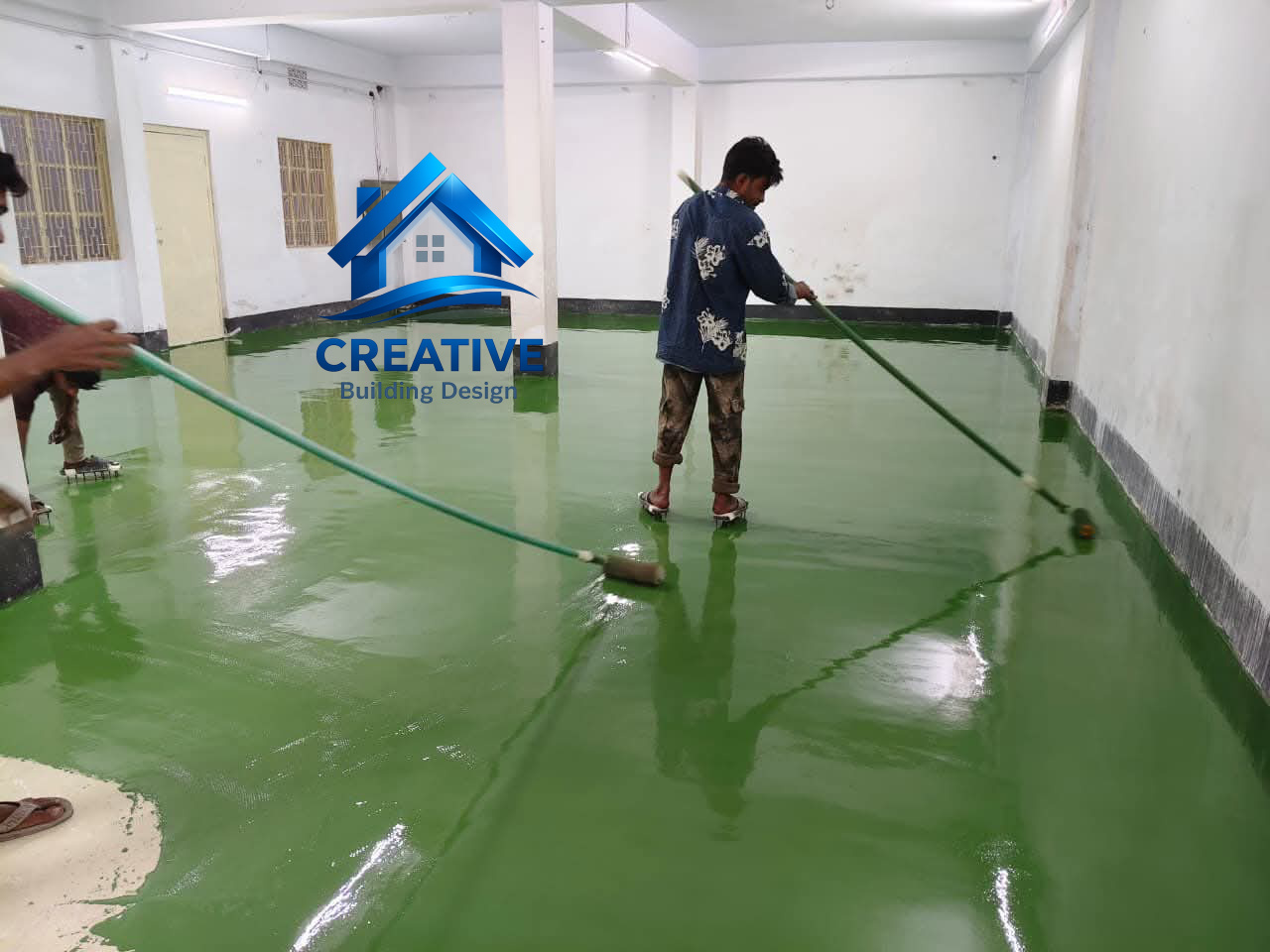
Epoxy flooring has rapidly gained popularity in Bangladesh due to its durability, aesthetic appeal, and cost-effectiveness. Whether for residential, commercial, or industrial use, epoxy flooring offers a modern solution that combines strength with style. In a country like Bangladesh, where climate conditions include high humidity, heavy rainfall, and fluctuating temperatures, epoxy flooring provides a reliable and long-lasting surface option.
Epoxy flooring is essentially a surface coating system made from a combination of resin and hardener. When these two components are mixed, they chemically react to form a rigid plastic material that is strong, resistant to degradation, and bonds exceptionally well to concrete surfaces. This makes it an ideal choice for various applications, including factories, warehouses, hospitals, garages, showrooms, and homes.
The demand for epoxy flooring in Bangladesh has grown significantly over the past decade. With increasing awareness about modern construction materials and the need for low-maintenance flooring solutions, both individuals and businesses are shifting towards epoxy coatings. Additionally, the rise of real estate development and industrialization in cities like Dhaka, Chittagong, and Sylhet has further boosted the demand.
What is Epoxy Flooring?
Definition and Composition
Epoxy flooring is a type of flooring system created by applying multiple layers of epoxy resin onto a prepared surface. The typical thickness of epoxy coatings ranges from 2 mm to 5 mm, depending on the application. The key components include:
- Epoxy resin
- Hardener (curing agent)
- Additives (color pigments, anti-slip agents, etc.)
How It Works
When resin and hardener are mixed, they undergo a chemical reaction that transforms the liquid mixture into a solid, durable surface. This hardened layer forms a seamless and highly resistant coating that protects the underlying concrete.
Key Characteristics
- High durability
- Chemical resistance
- Seamless finish
- Water resistance
- Strong adhesion to concrete
Types of Epoxy Flooring in Bangladesh
Self-Leveling Epoxy Flooring
Self-leveling epoxy is commonly used in commercial and industrial spaces. It creates a smooth and seamless surface that is easy to clean and maintain. This type is ideal for warehouses, factories, and hospitals.
Decorative Epoxy Flooring
Decorative epoxy flooring includes metallic epoxy, flake systems, and customized designs. These are popular in residential homes, showrooms, and offices where aesthetics are important.
Anti-Static Epoxy Flooring
This type is used in areas where static electricity can be harmful, such as electronics manufacturing facilities and laboratories.
Epoxy Mortar Flooring
Epoxy mortar is the strongest type of epoxy flooring system. It is used in heavy-duty industrial environments where high impact resistance is required.
Anti-Slip Epoxy Flooring
Anti-slip coatings are designed for safety, especially in wet areas like kitchens, bathrooms, and industrial plants.
Benefits of Epoxy Flooring in Bangladesh
Durability and Strength
Epoxy flooring is extremely strong and can withstand heavy loads, making it ideal for industrial use.
Resistance to Chemicals
It resists oil, grease, acids, and other chemicals, which is essential for factories and workshops.
Easy Maintenance
The seamless surface makes cleaning easy and reduces the accumulation of dust and dirt.
Aesthetic Appeal
Available in various colors and finishes, epoxy flooring enhances the overall look of a space.
Cost-Effective
Compared to other flooring options, epoxy offers long-term savings due to its durability and low maintenance.
Applications of Epoxy Flooring
Residential Areas
- Living rooms
- Kitchens
- Garages
- Rooftops
Commercial Spaces
- Shopping malls
- Offices
- Showrooms
Industrial Facilities
- Factories
- Warehouses
- Production plants
Healthcare Facilities
- Hospitals
- Clinics
- Laboratories
Installation Process of Epoxy Flooring
Surface Preparation
The first step involves cleaning and repairing the concrete surface. Any cracks or damages must be fixed.
Priming
A primer is applied to ensure strong adhesion between the epoxy and the concrete.
Mixing and Application
The resin and hardener are mixed and applied evenly using rollers or trowels.
Curing
The floor is left to cure for 24 to 72 hours, depending on the type of epoxy used.
Challenges of Epoxy Flooring in Bangladesh
Climate Conditions
High humidity can affect the curing process if not handled properly.
Skilled Labor Shortage
Proper installation requires skilled professionals, which may not always be available.
Initial Cost
Although cost-effective in the long run, the initial installation cost may be higher than traditional flooring.
Maintenance Tips for Epoxy Flooring
Regular Cleaning
Use a soft mop and mild detergent to keep the surface clean.
Avoid Harsh Chemicals
Although resistant, excessive use of strong chemicals may reduce the lifespan.
Repair Damages Promptly
Fix any cracks or chips immediately to prevent further damage.
Cost of Epoxy Flooring in Bangladesh
The cost varies depending on:
- Type of epoxy
- Area size
- Design complexity
- Surface condition
On average, epoxy flooring in Bangladesh ranges from moderate to premium pricing, depending on customization.
Why Epoxy Flooring is Growing in Bangladesh
The construction industry in Bangladesh is evolving rapidly. People are now more interested in modern, durable, and visually appealing flooring solutions. Epoxy flooring meets all these requirements, making it a preferred choice for many.
About Us
Creative Epoxy BD is one of the leading epoxy flooring service providers in Bangladesh, known for delivering high-quality flooring solutions tailored to customer needs. With years of experience in the industry, the company has built a strong reputation for reliability, innovation, and customer satisfaction.
At Creative Epoxy BD, the focus is on providing durable and aesthetically pleasing flooring systems that meet international standards. The company specializes in a wide range of epoxy flooring services, including industrial epoxy coatings, decorative flooring, self-leveling systems, and anti-slip solutions.
One of the key strengths of Creative Epoxy BD is its commitment to using high-quality materials and advanced installation techniques. The team consists of skilled professionals who ensure that every project is completed with precision and attention to detail. From small residential projects to large-scale industrial installations, the company handles each job with equal dedication.
Customer satisfaction is at the core of Creative Epoxy BD’s operations. The company works closely with clients to understand their requirements and provide customized solutions that fit their budget and design preferences. Timely project delivery and transparent communication are also major priorities.
In addition to installation services, Creative Epoxy BD offers consultation and maintenance support, helping clients maintain their flooring for long-term performance. The company continues to innovate and expand its services to meet the growing demand for epoxy flooring in Bangladesh.
FAQs About Epoxy Flooring in Bangladesh
What is epoxy flooring and why is it popular in Bangladesh?
Epoxy flooring is a durable and seamless flooring solution made from resin and hardener that chemically react to form a strong plastic-like surface. In Bangladesh, its popularity has increased due to its ability to withstand harsh environmental conditions such as high humidity, heavy rainfall, and temperature fluctuations. Unlike traditional flooring options, epoxy does not crack easily and provides long-term performance.
Another reason for its popularity is its versatility. It can be used in residential, commercial, and industrial settings. From garages to factories, epoxy flooring offers a reliable surface that is resistant to chemicals, stains, and heavy loads. Additionally, the aesthetic appeal of epoxy flooring makes it attractive for modern interior designs.
Maintenance is also a major factor. In a country where dust and dirt accumulation is common, epoxy flooring’s seamless surface makes cleaning easy. This reduces maintenance costs and effort over time. Furthermore, businesses in Bangladesh prefer epoxy flooring because it enhances safety with anti-slip options and improves overall workspace efficiency.
Overall, epoxy flooring has become a preferred choice in Bangladesh due to its durability, cost-effectiveness, and modern appearance, making it suitable for a wide range of applications.
How long does epoxy flooring last in Bangladesh?
Epoxy flooring can last anywhere from 10 to 20 years or even longer, depending on the quality of materials used and the installation process. In Bangladesh, where environmental conditions can be challenging, proper installation and maintenance play a crucial role in determining the lifespan.
High-quality epoxy coatings applied by experienced professionals tend to last longer. Industrial-grade epoxy floors in factories and warehouses may experience heavy wear and tear, but they still maintain their durability for many years. In residential settings, epoxy flooring often lasts even longer due to lower traffic and less exposure to heavy loads.
Regular maintenance significantly extends the lifespan. Simple practices such as cleaning the surface, avoiding harsh chemicals, and repairing minor damages promptly can keep the floor in excellent condition. Additionally, applying a topcoat or re-coating after several years can refresh the surface and improve longevity.
In Bangladesh, factors such as humidity and temperature can affect curing and durability. Therefore, choosing a reliable service provider ensures that the flooring is installed under the right conditions. With proper care, epoxy flooring remains a long-lasting and cost-effective investment.
Is epoxy flooring suitable for residential use?
Yes, epoxy flooring is highly suitable for residential use in Bangladesh. It is becoming increasingly popular among homeowners who want a modern, stylish, and durable flooring solution. Epoxy can be used in various areas of the home, including living rooms, kitchens, bathrooms, and garages.
One of the biggest advantages is its seamless and smooth finish, which enhances the overall look of the home. Decorative epoxy options such as metallic finishes and color flakes allow homeowners to customize their floors according to their design preferences. This makes epoxy flooring a great choice for contemporary interiors.
Durability is another key benefit. Unlike tiles or marble, epoxy flooring does not crack easily and can withstand heavy furniture and daily wear. It is also resistant to stains and spills, making it ideal for kitchens and dining areas.
Safety features such as anti-slip coatings can be added, which is especially useful in wet areas like bathrooms. Additionally, epoxy flooring is easy to clean, reducing the effort required for maintenance.
Overall, epoxy flooring offers a combination of style, strength, and practicality, making it an excellent choice for residential applications in Bangladesh.
What are the disadvantages of epoxy flooring?
While epoxy flooring offers many benefits, it also has some disadvantages that should be considered. One of the main drawbacks is the initial installation cost. Compared to traditional flooring options, epoxy may require a higher upfront investment, especially for high-quality materials and professional installation.
Another issue is the sensitivity to moisture during installation. In Bangladesh’s humid climate, improper surface preparation or high moisture levels can affect the bonding and curing process. This may lead to peeling or bubbling if not handled correctly.
Epoxy flooring can also become slippery when wet, although this can be mitigated by adding anti-slip additives. Additionally, prolonged exposure to sunlight may cause discoloration or yellowing over time, especially in outdoor or semi-outdoor areas.
Installation requires skilled professionals, and improper application can lead to uneven surfaces or reduced durability. Therefore, choosing an experienced service provider is essential.
Despite these disadvantages, most issues can be avoided with proper planning, high-quality materials, and expert installation. When done correctly, the benefits of epoxy flooring far outweigh its drawbacks.
How much does epoxy flooring cost in Bangladesh?
The cost of epoxy flooring in Bangladesh varies depending on several factors, including the type of epoxy, area size, surface condition, and design complexity. On average, prices can range from moderate to high, depending on the level of customization and quality required.
Basic epoxy coatings for industrial or warehouse use are generally more affordable. These focus on durability and functionality rather than aesthetics. On the other hand, decorative epoxy flooring with metallic finishes or custom designs tends to be more expensive due to additional materials and labor.
Surface preparation also plays a significant role in cost. If the existing concrete surface requires extensive repairs or leveling, the overall price will increase. Additionally, thicker coatings or multiple layers will add to the cost.
Although the initial investment may seem high, epoxy flooring is cost-effective in the long run. Its durability and low maintenance requirements reduce the need for frequent repairs or replacements, saving money over time.
For accurate pricing, it is recommended to consult a professional service provider who can assess the site and provide a detailed quotation based on specific requirements.
Is epoxy flooring waterproof and suitable for wet areas?
Epoxy flooring is highly water-resistant, making it an excellent choice for wet areas in Bangladesh such as bathrooms, kitchens, basements, and even industrial zones where liquids are frequently used. Once properly installed and cured, epoxy creates a seamless, non-porous surface that prevents water from penetrating into the concrete substrate. This feature helps protect the underlying structure from moisture damage, mold growth, and deterioration.
In Bangladesh’s humid climate, waterproof flooring is essential for maintaining long-term durability. Epoxy flooring performs exceptionally well in such conditions because it does not absorb water like traditional materials such as wood or untreated concrete. This makes it particularly useful during the monsoon season when moisture levels are high.
However, it is important to note that while epoxy is water-resistant, proper surface preparation is crucial. If moisture is trapped beneath the coating during installation, it can cause issues like bubbling or peeling over time. That’s why professional installation with proper moisture testing is highly recommended.
For added safety in wet environments, anti-slip additives can be mixed into the epoxy coating. This ensures that the floor remains safe even when wet. Overall, epoxy flooring is a reliable and practical solution for waterproofing and protecting floors in moisture-prone areas.
Can epoxy flooring be used outdoors in Bangladesh?
Epoxy flooring can be used outdoors, but it requires special consideration due to exposure to sunlight, temperature changes, and weather conditions in Bangladesh. Standard epoxy coatings are not UV-resistant, which means they can turn yellow or degrade when exposed to direct sunlight over time.
To address this issue, UV-stable topcoats such as polyurethane or polyaspartic coatings are often applied over the epoxy layer. These protective coatings help maintain the color and durability of the floor, making it suitable for outdoor use in areas like rooftops, balconies, parking spaces, and walkways.
Bangladesh’s climate, which includes heavy rainfall and intense sunlight, makes it important to choose the right type of epoxy system. Anti-slip finishes are also recommended for outdoor areas to ensure safety during wet conditions.
Another factor to consider is thermal expansion. Outdoor surfaces experience temperature fluctuations, which can affect the epoxy layer if not properly installed. Expansion joints and flexible coatings can help accommodate these changes.
In summary, epoxy flooring can be used outdoors in Bangladesh, but it must be installed with the right materials and protective layers to ensure long-lasting performance.
How do you maintain and clean epoxy flooring?
Maintaining epoxy flooring is relatively easy compared to other flooring types, which is one of the reasons for its growing popularity in Bangladesh. The smooth and seamless surface prevents dirt, dust, and stains from accumulating, making regular cleaning simple and efficient.
For daily maintenance, sweeping or vacuuming the floor helps remove dust and debris. This is especially important in Bangladesh, where dust accumulation is common. For deeper cleaning, a soft mop and a mild detergent solution can be used to clean the surface without damaging the coating.
It is advisable to avoid harsh chemicals or abrasive cleaning tools, as they can reduce the shine and lifespan of the epoxy coating. Spills such as oil, chemicals, or food should be cleaned immediately to prevent staining, although epoxy is generally resistant to most substances.
In high-traffic areas like factories or commercial spaces, periodic deep cleaning using specialized equipment may be necessary. Additionally, applying a new topcoat after several years can restore the floor’s appearance and extend its durability.
Overall, epoxy flooring requires minimal maintenance, making it a cost-effective and practical choice for both residential and commercial users in Bangladesh.
Does epoxy flooring crack or peel over time?
Epoxy flooring is known for its strength and durability, but like any flooring system, it can crack or peel under certain conditions. In Bangladesh, where environmental factors such as humidity, temperature changes, and heavy usage are common, proper installation plays a critical role in preventing these issues.
Cracking usually does not occur in the epoxy layer itself but rather in the underlying concrete. If the concrete substrate has existing cracks or structural weaknesses, those imperfections can eventually reflect through the epoxy coating. That’s why thorough surface preparation, including crack repair and leveling, is essential before applying epoxy.
Peeling, on the other hand, is often caused by poor adhesion. This can happen if the surface was not properly cleaned, if there was moisture trapped in the concrete, or if low-quality materials were used. In Bangladesh’s humid climate, moisture testing is especially important to ensure a strong bond between the epoxy and the surface.
Heavy impacts or dragging sharp objects across the floor can also damage the coating over time. However, high-quality epoxy systems are designed to withstand significant wear and tear, especially in industrial settings.
With professional installation, proper surface preparation, and regular maintenance, epoxy flooring can remain crack-free and intact for many years. Most problems arise from poor workmanship rather than the material itself.
Is epoxy flooring slippery and how can it be made safer?
One common concern about epoxy flooring is that it can become slippery, especially when wet. This is true for standard epoxy coatings that have a smooth and glossy finish. In Bangladesh, where water exposure is frequent due to cleaning or weather conditions, this can be a safety concern in certain areas.
However, epoxy flooring can be customized to improve safety. Anti-slip additives such as silica sand, aluminum oxide, or polymer grit can be mixed into the coating to create a textured surface. This significantly reduces the risk of slipping while maintaining the durability and appearance of the floor.
For areas like kitchens, bathrooms, factories, and outdoor spaces, anti-slip epoxy flooring is highly recommended. These coatings provide better traction even when the surface is wet or oily.
It’s also important to consider the level of foot traffic and the type of activities performed on the floor. For example, industrial environments may require a higher level of slip resistance compared to residential spaces.
Regular cleaning also helps maintain safety. Dust, oil, or water buildup can make any floor slippery, so keeping the surface clean is essential.
In conclusion, while epoxy flooring can be slippery in its basic form, it can easily be modified to become a safe and reliable flooring solution for various applications in Bangladesh.
How long does epoxy flooring take to install and cure?
The installation and curing time of epoxy flooring depends on several factors, including the size of the area, the type of epoxy system used, and the environmental conditions in Bangladesh. On average, a standard epoxy flooring project can take anywhere from 2 to 5 days to complete.
The process begins with surface preparation, which may take one or two days depending on the condition of the concrete. This step includes cleaning, grinding, and repairing any cracks or imperfections to ensure proper adhesion.
Once the surface is ready, the epoxy coating is applied in multiple layers. Each layer requires a certain amount of time to dry before the next one can be added. Typically, the base coat and topcoat are applied within a day or two.
After application, the curing process begins. Light foot traffic is usually allowed after 24 hours, but full curing can take 3 to 7 days. During this time, the floor reaches its maximum strength and chemical resistance.
In Bangladesh’s humid climate, curing times may vary slightly. High humidity can slow down the curing process, so proper ventilation and environmental control are important during installation.
For best results, it is recommended to avoid heavy usage until the floor is fully cured. Proper planning and professional installation ensure that the epoxy flooring achieves optimal performance and longevity.
Can epoxy flooring be applied over old or damaged concrete?
Yes, epoxy flooring can be applied over old or damaged concrete, but the success of the application largely depends on the condition of the existing surface and the preparation process. In Bangladesh, many buildings have older concrete floors, so this is a very common concern among property owners.
Before applying epoxy, the surface must be thoroughly inspected. If the concrete has minor cracks, chips, or uneven areas, these can be repaired using fillers or patching compounds. Grinding or shot blasting is often done to remove dirt, oil stains, and weak surface layers, ensuring proper bonding of the epoxy coating.
However, if the concrete is severely damaged, structurally weak, or has excessive moisture issues, additional repair work may be required before epoxy installation. Moisture is a major concern in Bangladesh due to the humid climate, and if not addressed, it can cause adhesion failure or bubbling in the epoxy layer.
Professional installers usually perform moisture tests and surface evaluations before starting the project. In some cases, a moisture barrier or special primer may be used to improve adhesion and durability.
In summary, epoxy flooring can definitely be applied over old concrete, but proper preparation is the key to achieving a long-lasting and high-quality finish.
Is epoxy flooring environmentally friendly and safe?
Epoxy flooring is generally considered safe and environmentally friendly when installed and used properly. In Bangladesh, where environmental awareness is growing, many people are concerned about the safety of construction materials, including epoxy coatings.
During the installation process, epoxy resins may release some fumes, especially if the area is not well-ventilated. That’s why it is important to ensure proper airflow and use protective equipment during application. Professional installers follow safety guidelines to minimize any health risks.
Once the epoxy flooring is fully cured, it becomes completely inert and non-toxic. It does not release harmful substances and is safe for homes, offices, hospitals, and even food processing areas. Its seamless surface also prevents the growth of bacteria and mold, making it a hygienic option.
From an environmental perspective, epoxy flooring can be beneficial because it extends the life of existing concrete surfaces, reducing the need for replacement materials. Its durability also means less waste over time.
Additionally, its reflective surface can improve lighting efficiency, reducing energy consumption in commercial and industrial spaces.
Overall, epoxy flooring is a safe and sustainable choice when installed correctly, making it suitable for modern construction needs in Bangladesh.
Can epoxy flooring be customized with designs and colors?
Yes, one of the biggest advantages of epoxy flooring is its ability to be fully customized with a wide range of colors, patterns, and designs. In Bangladesh, where modern interior design trends are becoming more popular, customized epoxy flooring is gaining significant attention.
There are several decorative options available. Metallic epoxy creates a glossy, marble-like effect that adds a luxurious look to homes and showrooms. Flake epoxy systems include colored chips that provide texture and a unique visual appeal. Solid color epoxy is also widely used for a clean and professional appearance.
Businesses often use customized epoxy flooring to match their branding by incorporating logos, specific colors, or creative patterns. This is especially popular in retail stores, offices, and commercial spaces.
In residential settings, homeowners can choose designs that complement their interior décor, creating a stylish and modern environment. Epoxy flooring can mimic the look of natural stone, tiles, or even 3D effects, offering endless design possibilities.
The customization process involves selecting pigments, additives, and application techniques to achieve the desired finish. Skilled professionals play a key role in delivering high-quality results.
In conclusion, epoxy flooring is not only durable but also highly versatile in terms of design, making it an excellent choice for both functional and aesthetic purposes in Bangladesh.
Is epoxy flooring suitable for industrial and heavy-duty use?
Yes, epoxy flooring is highly suitable for industrial and heavy-duty use, which is one of the main reasons for its growing demand in Bangladesh. Industries such as manufacturing plants, warehouses, food processing units, pharmaceutical factories, and logistics centers require flooring that can withstand heavy machinery, constant movement, and exposure to chemicals—and epoxy flooring meets all these requirements.
One of the key advantages of epoxy flooring in industrial settings is its exceptional strength and load-bearing capacity. It can handle forklifts, heavy equipment, and continuous foot traffic without cracking or deteriorating quickly. Epoxy mortar systems, in particular, are designed for extreme conditions and provide maximum durability.
Another important factor is chemical resistance. In many industries in Bangladesh, floors are exposed to oils, acids, solvents, and other harsh substances. Epoxy coatings resist these chemicals, preventing damage to the concrete and maintaining a safe working environment.
Epoxy flooring also improves workplace safety. Anti-slip coatings can be added to reduce accidents, while its seamless surface eliminates dust and debris, which is especially important in industries requiring high hygiene standards.
Additionally, epoxy flooring enhances visibility by reflecting light, making industrial spaces brighter and more energy-efficient. Markings and safety lines can also be incorporated directly into the floor.
Overall, epoxy flooring is an ideal solution for industrial and heavy-duty environments in Bangladesh due to its durability, safety features, and long-term cost efficiency.
What is the difference between epoxy and polyurethane flooring?
Epoxy and polyurethane (PU) flooring are both popular choices in Bangladesh, but they have distinct differences in terms of properties, performance, and applications. Understanding these differences helps in choosing the right flooring system for specific needs.
Epoxy flooring is known for its hardness and strong adhesion to concrete surfaces. It creates a rigid, durable layer that is ideal for heavy-duty environments such as factories, warehouses, and garages. It also offers excellent resistance to chemicals and abrasion, making it suitable for industrial use.
Polyurethane flooring, on the other hand, is more flexible and elastic. This flexibility allows it to withstand temperature fluctuations and thermal expansion better than epoxy. In Bangladesh’s climate, where temperature and humidity can vary, PU flooring is often used in outdoor areas or environments exposed to direct sunlight.
Another difference is UV resistance. Epoxy flooring can turn yellow when exposed to sunlight, while polyurethane coatings are UV-stable and maintain their color over time. This makes PU a better option for outdoor or semi-outdoor applications.
In terms of comfort, polyurethane flooring is slightly softer underfoot, which can be beneficial in environments where workers stand for long periods. Epoxy, being harder, is more suitable for areas requiring maximum strength.
In many cases, epoxy is used as a base layer for strength, and polyurethane is applied as a topcoat for flexibility and UV protection. Both systems have their advantages, and the choice depends on the specific requirements of the project.
Why should I choose a professional epoxy flooring company in Bangladesh?
Choosing a professional epoxy flooring company in Bangladesh is crucial for ensuring the quality, durability, and performance of your flooring system. While epoxy materials are widely available, the success of the flooring largely depends on proper installation and expertise.
Professional companies have the necessary experience and knowledge to handle different types of projects, whether residential, commercial, or industrial. They understand how to assess the condition of the concrete surface, identify potential issues such as moisture or cracks, and apply the appropriate solutions.
Surface preparation is one of the most critical steps in epoxy flooring installation. Professionals use specialized equipment such as grinders and shot blasters to prepare the surface properly, ensuring strong adhesion. Without this step, the epoxy coating may fail prematurely.
Another advantage of hiring experts is the use of high-quality materials and advanced techniques. Professional companies in Bangladesh often use imported or industry-grade products that offer better performance and longer lifespan.
They also ensure proper mixing, application, and curing of the epoxy, which is essential for achieving a smooth and durable finish. Additionally, professionals can provide customized designs, anti-slip features, and protective coatings based on your needs.
Finally, working with a reputable company gives you peace of mind, as they often provide warranties, maintenance support, and after-sales service. This ensures that your investment is protected and delivers long-term value.
Does epoxy flooring require regular re-coating or refinishing?
Epoxy flooring is known for its long lifespan, but like any surface exposed to daily use, it may require occasional re-coating or refinishing to maintain its appearance and performance. In Bangladesh, where floors often face heavy traffic, dust, humidity, and sometimes harsh industrial conditions, periodic maintenance can significantly extend the life of epoxy flooring.
Typically, high-quality epoxy flooring can last 10–20 years without major issues. However, the topcoat layer may begin to lose its shine after several years, especially in high-traffic areas such as factories, showrooms, or commercial spaces. In such cases, applying a new topcoat can restore the glossy finish and improve resistance to wear and tear.
Re-coating does not usually require removing the entire epoxy layer. Instead, the surface is lightly sanded or polished, cleaned thoroughly, and then a fresh layer is applied. This process is quicker and more cost-effective than a full replacement.
In residential settings, re-coating is rarely needed unless there is visible damage or fading. In industrial environments, it may be recommended every 5–7 years depending on usage.
Regular cleaning and proper care can delay the need for refinishing. Avoid dragging heavy objects, clean spills quickly, and use protective pads under furniture to maintain the surface.
Overall, while epoxy flooring does not require frequent refinishing, occasional re-coating helps maintain its durability and aesthetic appeal over time.
Can epoxy flooring handle heavy vehicles and machinery?
Yes, epoxy flooring is specifically designed to handle heavy vehicles and machinery, making it an excellent choice for garages, parking areas, warehouses, and industrial facilities in Bangladesh. Its high compressive strength allows it to support significant weight without cracking or deforming.
In industrial environments, epoxy flooring is commonly used in areas where forklifts, trucks, and heavy equipment operate daily. Epoxy mortar systems, which are thicker and more robust, are particularly suitable for extreme load conditions. These systems create a dense and impact-resistant surface that protects the underlying concrete.
For residential garages, epoxy flooring can easily handle cars, motorcycles, and even small trucks. It also resists oil stains, tire marks, and chemical spills, which are common in vehicle-related areas.
Proper installation is crucial for ensuring load-bearing performance. The concrete substrate must be strong enough, and the epoxy coating should be applied at the appropriate thickness. Reinforcement techniques may also be used in high-load zones.
In Bangladesh, where industrial growth is increasing, epoxy flooring is becoming a preferred choice for facilities that require durable and reliable flooring solutions.
In summary, epoxy flooring is more than capable of handling heavy vehicles and machinery, provided it is installed correctly and maintained properly.
Is epoxy flooring resistant to fire and heat?
Epoxy flooring has moderate resistance to heat and can withstand normal temperature conditions without any issues. However, it is not completely fireproof. In Bangladesh, where high temperatures and occasional exposure to heat sources are common, it is important to understand the limitations of epoxy flooring.
Under typical conditions, epoxy flooring performs well in environments such as kitchens, factories, and workshops. It can handle warm temperatures and does not easily get damaged by hot objects like machinery or equipment. However, direct exposure to extreme heat or open flames can cause the epoxy coating to soften, discolor, or even degrade.
For areas with high heat exposure, such as industrial plants or kitchens with heavy cooking equipment, heat-resistant or specialized coatings can be used. In some cases, polyurethane or cement-based systems are preferred for better thermal resistance.
Epoxy flooring also has some fire-retardant properties, meaning it does not easily ignite and can slow the spread of flames to some extent. However, it should not be relied upon as a primary fire protection system.
Proper safety measures, such as using fire-resistant materials and maintaining safe working conditions, are essential in environments where fire hazards exist.
Overall, epoxy flooring offers good heat resistance for everyday use but should be combined with additional protective solutions in high-temperature or fire-prone areas.
Conclusion
Epoxy flooring has emerged as one of the most reliable, durable, and visually appealing flooring solutions in Bangladesh. With the country’s growing construction industry and increasing demand for modern infrastructure, epoxy flooring is becoming a preferred choice for residential, commercial, and industrial applications alike.
Its key advantages—such as high durability, resistance to chemicals and moisture, seamless finish, and low maintenance—make it especially suitable for Bangladesh’s challenging climate conditions. Whether it’s a factory floor تحمل heavy machinery, a stylish showroom requiring an attractive finish, or a home looking for a modern upgrade, epoxy flooring delivers both performance and aesthetics.
Although there are some challenges, such as the need for proper installation and initial cost considerations, these are outweighed by the long-term benefits. With professional application and regular maintenance, epoxy flooring can last for many years without significant issues, making it a cost-effective investment.
Leave a Reply